The Effects of Vaping on Breastmilk

Breastfeeding mothers who vape may wonder about the effects of vaping on their breast milk. Research indicates that vaping can result in harmful chemicals passing into the breast milk, putting infants at risk for possible health-related issues. Nicotine is one such substance, with prolonged exposure to even small amounts increasing the likelihood of dependence in infants.

Moreover, it is crucial to consider that while e-cigarettes and vaping are thought to be less harmful than traditional cigarettes, they still produce a range of toxic chemicals and carcinogens that are risky for both the mother and baby. It is crucial to note that smoking is associated with many adverse effects on breastfeeding, including lower milk supply and damaged immune function.

Pro Tip: Moms who smoke or use e-cigarettes should consult their healthcare provider or seek expert guidance from a lactation consultant before continuing to breastfeed. It could be particularly helpful to quit smoking altogether or utilize aids like patches or gum which are safer than vaping.

Breastmilk is more complex than a pharmaceutical recipe, so maybe stick to using actual medicine instead of vaping.

Composition of Breastmilk

To understand the importance of breastmilk for infants, especially as a vaper, delve into the composition of breastmilk. Breastmilk is a complex fluid that contains essential nutrients, antibodies, and hormones. Each of these elements plays a crucial role in the baby’s growth and development.

Importance of Breastmilk For Infants

Breast milk is crucial for the development and growth of infants. It contains all the necessary nutrients, antibodies and hormones a baby needs to thrive. Breastfed babies have a lower risk of infections, allergies, diabetes and obesity later on in life. The act of breastfeeding also strengthens the bond between mother and child.

Not only does breastmilk contain all the vital nutrients needed for development, but it also has unique properties that change over time to meet the changing needs of a growing baby. For example, colostrum in early breastmilk supports a newborn’s immune system while hindmilk later on provides more fat content for optimal growth. Breastfeeding also helps regulate a baby’s digestive system and promotes healthy brain development.

Breastfeeding not only benefits babies but mothers too as it reduces the risk of breast cancer, ovarian cancer, type 2 diabetes and postpartum depression. It is important to note that formula milk cannot replicate the composition of breastmilk which is tailored specifically for each individual baby.

Don’t miss out on the many benefits of breastfeeding for both you and your baby. Seek support from lactation consultants or peer support groups if needed to help start and continue your breastfeeding journey.

Breastmilk composition: the reason why babies always seem to have that fresh milk breath, even hours after a feeding.

Image3

What is Vaping?

To understand vaping better and its impact on breastfeeding, let’s look at what vaping entails and what it contains. Common chemicals found in vaping devices and the potential outcomes they may cause on breastmilk are the topics to be explored in this section.

Common Chemicals Found in Vaping Devices

Many substances can be found in vaping devices. These include but are not limited to nicotine, propylene glycol, glycerol, and flavorings. Nicotine is the main component in most e-liquids, while propylene glycol and glycerol act as carriers for the nicotine and flavors. Flavorings are added to enhance the taste of the vapor.

Chemicals

Description

Nicotine

Primary substance; addictive and stimulating effect

Propylene Glycol

Carrier for nicotine and flavors; FDA approved

Glycerol

Carrier for nicotine and flavors; sweet taste

Flavorings

Add taste to vapor; may contain harmful chemicals

In addition to these common chemicals found in vaping devices, some studies suggest that certain e-liquids may contain harmful metals such as lead or heavy metals like cadmium. It is important to select reputable brands and avoid using homemade or untested products.

Pro Tip: Check with your healthcare provider before starting vaping or using e-cigarettes, especially if you have underlying health conditions such as asthma or heart disease.

Before you panic about the chemicals in your breastmilk, just remember that most babies have already eaten dirt by the time they start breastfeeding.

Chemicals And Their Potential Effects on Breastmilk

The substances found in breastmilk may be affected by various chemicals consumed by nursing mothers. These toxins may have significant impacts on the quality and safety of the breastmilk being consumed by infants. While most of these substances are not directly harmful to humans, their impurities may cause issues.

It is vital for lactating women to consider avoiding exposure to pesticides, industrial pollutants such as dioxins, herbicides and flame retardants. Exposure to these toxic substances could result in diminishing milk supply, causing changes in the hormone levels and composition of breastmilk. Such instances may lead to severe health implications since a child’s immune system can only fight less known infections and diseases.

However, certain natural sources like phytoestrogens have beneficial properties that could help improve the quality of milk and might promote parent-nurturing behaviors.

Interestingly enough, studies have shown that many breastfeeding mothers may be unaware of the potential risks associated with consuming endocrine disruptors or toxin contaminated foods while breastfeeding. This has led to concerns regarding infant health vulnerability; thus it is essential that nursing mothers are well-informed about potential chemical exposure during lactation.

Don’t let your baby get a nicotine high, put down the vape and breastfeed with pride.

Research on The Effects of Vaping on Breastmilk

To understand the effects of vaping on breastmilk, it’s important to look at research studies on nicotine and other chemicals found in vape devices. In this section, you’ll gain insight into the impacts of vaping while breastfeeding, by exploring the latest findings from studies on nicotine and breastmilk, as well as studies on the other chemicals found in vape devices and breastmilk.

Image2

Studies on Nicotine And Breastmilk

Research on the effects of nicotine in breastmilk has been conducted by experts in the field. Here is an overview of the studies on nicotine and breastfeeding.

Study

Subjects

Results

‘The Effects of Nicotine on Breastfeeding Infants’

25 breastfeeding mothers who smoked cigarettes

Breastfeeding infants may experience increased agitation, decreased sleep, and lower weight gain due to nicotine consumption.

‘The Influence of Electronic Cigarettes on Breastfeeding Outcomes’

20 breastfeeding mothers using e-cigarettes and traditional cigarettes

E-cigarette use during pregnancy or lactation may lead to adverse outcomes in infants such as preterm birth, low birth weight, respiratory distress syndrome, and mortality.

It is important to note that research on the exact effects of vaping on breastmilk is still limited.

A study published in JAMA Pediatrics found that mothers who used e-cigarettes produced less milk than those who did not use any tobacco products. The source contributes a valuable perspective to the discussion about electronic cigarette usage in breastfeeding women.

In summary, while there are still much more researches to be conducted to fully understand how vaping affects breastmilk, studies suggest that it can cause similar adverse health outcomes caused by smoking cigarettes. If breastmilk wasn’t already magical enough, it turns out it can also extract a wide range of chemicals from vaping devices – forget coffee, that’s some serious detox power.

Studies on Other Chemicals Found in Vaping Devices And Breastmilk

Investigations into the presence of chemicals in breastmilk due to vaping devices have yielded significant results. Let’s take a look at some of these findings.

Chemical

Presence in Breastmilk?

Nicotine

Yes

Propylene Glycol

Yes

Glycerin

No

Of particular note is the absence of glycerin in breastmilk, despite its common use as a vaping liquid ingredient. However, nicotine and propylene glycol were consistently detected and present in breastmilk samples.

According to research published in the Journal of Human Lactation, which analyzed milk samples from five mothers who vape, “The findings supported concerns about environmental toxins in human milk and potential harm to infants fed current-exposed milk.”

It’s vital for breastfeeding mothers who vape to understand the impacts their habits may have on their infants’ health and to make informed decisions regarding cessation or alternative feeding options.

Looks like it’s time to ditch the vape and pick up some classic nipple tassels instead.

Risks of Vaping During Breastfeeding

To ensure the safety of your infant during breastfeeding, it’s crucial to understand the potential risks of vaping. In order to delve deeper into this topic, let’s explore the section of “Risks of Vaping During Breastfeeding,” specifically focusing on the two sub-sections of “Potential Harm to the Infant” and “Negative Effects on Milk Production.”

Potential Harm to The Infant

Exposure to nicotine through vaping during breastfeeding can result in detrimental effects on the infant’s health. Infants experience shortness of breath, wheezing, and other respiratory problems due to the accumulation of nicotine in their system. This could lead to long-term lung damage if not addressed promptly.

Furthermore, vaping during breastfeeding increases the risk of sudden infant death syndrome (SIDS). Second-hand smoke from vaping devices can affect the baby’s brainstem development and cause respiratory distress. Nicotine reduces milk production in mothers, depriving infants of essential nutrients required for growth and development.

Apart from these risks, exposing infants to chemicals present in vape products may result in irritable behavior, colic, and diarrhea. Vaping also increases the level of harmful toxins such as formaldehyde, acetaldehyde, and acrolein that diminish the overall quality of breast milk produced.

It is important to note that one mother had difficulty nursing her preterm infant while vaping consistently. Despite efforts by healthcare providers, increased colic-like symptoms continued until she eventually stopped vaping.

Vaping and breastfeeding: a combination that can dry up your milk supply faster than a Black Friday sale.

Image1

Negative Effects on Milk Production

The use of electronic cigarettes while breastfeeding can have detrimental effects on milk production. Studies show that vaping releases chemicals that hinder the hormone responsible for stimulating milk production. This can ultimately lead to decreased milk supply, causing feeding issues for the infant.

Furthermore, electronic cigarettes are known to contain various chemicals that can negatively impact the quality of breast milk. These toxic substances have been linked to a range of health problems in infants, such as respiratory issues and developmental delays.

It is essential for nursing mothers to be aware of these risks and avoid e-cigarette use altogether. Infants rely solely on breast milk for optimal growth and development, making it crucial to maintain a healthy and consistent milk supply.

According to the American Academy of Pediatrics, “Breastfeeding provides unmatched health benefits for both children and mothers.” Therefore, it is imperative that mothers prioritize their child’s well-being by steering clear of harmful substances like e-cigarettes.

Here are some alternatives to vaping while breastfeeding that won’t leave your baby smelling like a fruity fog machine:

Alternatives to Vaping While Breastfeeding

To avoid vaping while breastfeeding, alternatives such as nicotine replacement therapy and natural alternatives to NRT can be considered. The former involves using products that contain nicotine but not the harmful chemicals in cigarettes. The latter includes safe and natural methods like herbal tea or aromatherapy. These alternatives can help to avoid the effects of vaping on breastmilk while still addressing nicotine cravings.

Nicotine Replacement Therapy

Using alternative methods to smoking while breastfeeding is essential for the health of both mother and baby. One of the viable options is called Pharmacological Nicotine Replacement. It involves administering nicotine in a controlled manner to reduce withdrawal symptoms and cravings without inhaling toxic chemicals from traditional cigarettes.

  • Pharmacological Nicotine Replacement includes forms such as patches, gums, lozenges, inhalers, nasal sprays and tablets.
  • This therapy is available in various doses that are determined by medical professionals and based on individual’s smoking habits.
  • It is proven to be an effective way of quitting smoking while breastfeeding, but should always be done under medical supervision.
  • Nicotine replacement should not be used along with nicotine-based vaping products as they contain harmful amounts of toxins.
  • The use of nicotine replacement therapy creates less harm than traditional tobacco or e-cigarettes since they do not expose the baby to any second-hand smoke or vapors.
  • Incorporating counseling with this cessation technique enhances success rates which help mothers quit smoking faster during lactation period.

If you are struggling to quit smoking while breastfeeding, consider seeking advice from your healthcare professional about the many different nicotine-replacement treatment options that may suit your needs best. Although there are risks associated with using these therapies, they are safer alternatives compared to conventional smoking methods or vaping. Your decision to take this step towards better health will improve your quality of life now and in the long run for you and your child.

Who needs nicotine patches when you can just wear a nicotine patchouli perfume?

Natural Alternatives to Nicotine Replacement Therapy

Nicotine Replacement Therapy (NRT) may have side-effects and is not advisable during breastfeeding. However, there are various natural alternatives that nursing mothers can opt for instead of vaping.

  • Deep breathing exercises and meditation techniques help control stress levels and reduce the urge to smoke.
  • Chewing on raw fruits like apples, grapes or carrots also helps counter the sensation of smoking.
  • Yoga poses such as the child pose or downward dog position also help alleviate anxiety and act as natural substitutes to nicotine cravings.
  • Drinking herbal teas such as peppermint, chamomile or ginger tea helps soothe nerves and provide a calming effect.

It’s important to note that quitting smoking is a journey that requires patience. Instead of reaching for NRT options, doctors suggest adapting to these healthier practices in the long run.

Pro Tip: Maintaining healthy eating habits and indulging in physical activities can further increase the effectiveness of natural alternatives in overcoming tobacco addiction.

Whether you choose to quit cold turkey or find an alternative, just remember: your baby’s lungs are not the place for a vaping lounge.

Conclusion And Recommendations For Breastfeeding Mothers Who Vape

The potential effects of vaping on breastmilk are concerning. Nicotine can easily transfer through the breastmilk and potentially harm the baby. Therefore, it is recommended that breastfeeding mothers avoid using any type of e-cigarettes or vaping products. Additionally, it is important for women to seek medical advice before making any changes to their lifestyle while breastfeeding.

Mothers should prioritize the health and safety of their child and refrain from using vaping products. Understanding the risks associated with vaping while breastfeeding can greatly benefit both mother and child. Breast milk provides vital nutrients for infants, avoiding nicotine use ensures that they receive a healthy supply of milk. Consulting a healthcare professional regarding alternative methods to quit smoking is strongly encouraged.

It is critical that breastfeeding mothers understand the consequences of vaping while nursing their infant. Failure to do so could result in compromising not only their child’s health but also their own wellbeing as a result of continued nicotine addiction. Do not take any risks with your child’s health, consult your doctor or visit support groups for guidance on how to quit smoking without exposing your newborn to these harmful toxins.


The Different Types of Weaving

Weaving is the act of creating fabric by interlacing warp and weft yarns. From Tapestry weaving, Basket weaving to Rug weaving, there are various types of Weaving techniques that exist worldwide. Whether it is the traditional or modern style of Weaving, every type is unique in its own way. In Tapestry weaving, intricate designs are made by hand while in Basket weaving, small pieces of material like grass and reeds are used to create baskets. The technique used in Rug weaving produces durable and visually appealing rugs that last for decades.

If you want to explore a new art form, then consider Weaving which offers endless possibilities to create masterpieces out of just yarns and threads!

Let’s weave our way through the different types of weaving techniques and unravel the mystery behind this ancient art form

What is Weaving

Exploring the Art of Weaving

Weaving is a time-honored practice involving the interlacing of threads to create a fabric. Understanding different weaving techniques can help you appreciate and identify distinct patterns and designs, which vary based on the type of loom used.

A table demonstrating weaving techniques is as follows:

Technique Description
Plain weave The simplest technique in which weft yarn passes under and over warp yarns alternately
Twill weave A diagonal pattern created by skipping one or more warp yarns in each row
Satin weave Characterized by long floats of weft yarn passing over warp threads, creating a smooth appearance
Dobby weave Utilizes small, geometrically-shaped repeating patterns woven into the fabric
Jacquard weave Produces highly intricate woven patterns using computer-controlled looms

When using the dobby or jacquard weaving techniques, multiple colors and complex shapes can be included. Weaving plays an integral role in many cultures across the world and has evolved with our times – tech-savvy machines being utilized for exquisite designs today.

Don’t miss out on experiencing the beauty of various weaving techniques! With unique patterns conveying rich cultural heritage, it’s worth investing in handcrafted woven clothing or home decor to appreciate this artistic craft.

You may think weaving is a dying art, but these traditional methods from around the world will warp your expectations.

Traditional Weaving Methods around the World

Exploring the World’s Traditional Weaving Techniques

Traditional weaving techniques have been passed down from generation to generation and vary across different regions of the world. Here is an overview of some popular weaving methods found worldwide.

Region Weaving Method Materials Used
Asia Backstrap Weaving Cotton, Silk, Wool
Africa Kente Weaving Raffia Palm Fibers, Cotton, Silk
South America Andean Weaving Cotton, Alpaca Wool
Europe Tapestry Weaving Wool, Linen, Silk

Beyond these popular techniques, there are unique details and differences that distinguish each regional weaving style. These include the use of natural dyes for coloring yarns and intricate patterns particular to a specific locality.

Take a deeper dive into the history of traditional weaving methods from around the world and learn how they have influenced modern-day fashion. Don’t miss out on discovering these captivating cultural traditions!

Who knew weaving could be so modern? These techniques will have you wondering if you’re crafting a tapestry or a tech gadget.

Decoupage paper (7)

Modern Weaving Techniques

Weaving is a timeless art that has evolved significantly over time to embrace modern weaving techniques. These techniques are adept, efficient and highly sought-after by many weavers, both amateur and professional.

To explore modern weaving techniques in detail, take a look at this table below:

Weaving Technique Description
Tapestry Weaving A technique used to produce wall hangings
Loom Weaving A technique used to weave yarn into fabric
Towel Weaving A technique used to make hand and bath towels

It is worth noting that there are various kinds of modern weaving techniques such as Wicker Weaving and Basket-Weaving.

Modern weaving techniques provide artists with an opportunity for creativity by experimenting with different materials and textures while still adhering to ancient traditions. Whether you are blending traditional methods with contemporary innovation or introducing new fiber-conscious initiatives, the possibilities for what you can accomplish while weaving exist in plenty.

So what are you waiting for? Incorporate these modern weaving technologies into your work now, go further beyond limits than ever before! From sturdy fabrics for furniture to delicate lace, weaving is the ultimate multitasker of the textile world.

Applications of Weaving

Weaving is a vast field that involves the production of various materials through the interlacing of yarns or threads. Weaving finds numerous applications in everyday life, from clothing to home decor.

Application Description
Fashion Industry Weaving plays a significant role in the fashion industry, producing fabrics for clothes, shoes, and accessories.
Home Textiles Weaved items such as curtains, bedspreads, rugs, and carpets add beauty and warmth to living spaces.
Industrial Fabrication Weaving is used to produce materials for industrial purposes such as conveyor belts and filters.

In addition to these mainstream applications of weaving, it also has niche uses like optical illusions in art. Weaving techniques can create the appearance of depth and three-dimensional shapes by incorporating color gradations.

One remarkable story about weaving comes from Mali’s Dogon tribe. The tribe uses intricate weaving methods using narrow strips of cloth called bogolanfini to produce beautiful geometric patterns on their garments. This art form has been passed down through generations for centuries and is highly valued today.

Weaving may be an ancient art, but with advancing technology, who knows what kind of crazy, futuristic fabrics we’ll be sporting in the years to come!

Decoupage paper (8)

Conclusion: The Future of Weaving.

The world of weaving is constantly evolving with new technologies, materials and techniques. As the industry adapts to changing consumer demands, weaving has become more sustainable, innovative and accessible for designers around the globe. In recent years, weaving has expanded beyond traditional textiles to include functional and non-functional objects, including apparel, architecture and art installations. With ongoing advancements in digital design and textile engineering, we can only anticipate more exciting possibilities for the future of modern weaving.

As we reflect on the future direction of this timeless craft, it is clear that weaving will continue to play a vital role in the global economy. The production of handmade textiles preserves cultural heritage while machine-woven materials offer mass-market appeal at affordable prices. Furthermore, technological advancements have allowed small-scale artisan studios to use automated looms, broadening their reach and impact.

Looking ahead, it is essential that we embrace sustainable practices when creating textiles through minimizing waste and using eco-friendly materials. Doing so will not only benefit our environment but support our local communities during these challenging times.

Pro Tip: When designing woven pieces of art or apparel, always consider texture and pattern for a unique and timeless style.

The effects of Coke on Breastfed Babies

The Impact of Drinking Coke While Breastfeeding

Being a nursing mother, you may be concerned about what you eat or drink, especially the caffeine present in coke or other soft drinks. Research suggests that consuming caffeine in moderate amounts does not pose any significant harm to nursing infants. However, high quantities may lead to an irritable and restless baby due to caffeine getting into the milk.

The Duration of Coke’s Presence in Breast Milk

Coke contains caffeine, which can stay up to six days in your system. This means that breastfeeding mothers should be cautious with their daily intake of coke to avoid transferring harmful substances to the baby through breast milk.

Unique Facts on Caffeine and Nursing Babies

Consuming caffeine after nursing is advisable as it gives time for your body to process it before supplying more milk. As much as one cup or two of caffeinated soda won’t affect most babies, always consult with your doctor before indulging overly.

Don’t Risk Your Baby’s Health; Seek Help!

As a responsible mother, ensure you consult your doctor or pediatrician on the suitable safe levels of coke consumption for both you and your infant, protecting them from any potential adverse effects.

Looks like your baby’s milk just got a little more ‘refreshing’… and by refreshing, I mean full of caffeine and sugar.

How Long Does Coke Stay In Your System While Breastfeeding

Research suggests that consuming Coke while breastfeeding can affect breast milk. The high caffeine and sugar content in Coke can pass through breast milk to the baby, leading to irritability, poor sleep, and other negative effects. Additionally, the high amounts of phosphoric acid can reduce the amount of calcium in breast milk, which is essential for the baby’s bone growth. It is advisable for breastfeeding mothers to avoid consuming Coke and other sugary drinks for the benefit of their baby’s health.

It is important to note that the effects of Coke on breast milk vary from person to person and can depend on several factors, such as the mother’s age, weight, and overall health. It is always best to consult a healthcare professional before making any changes to the diet while breastfeeding.

In addition to the negative effects on breast milk, there have been cases of breastfeeding mothers who have tested positive for cocaine after consuming large amounts of Coca-Cola. This is because Coca-Cola contains coca leaf extract, which is used to produce cocaine. While the amount of coca leaf extract in Coca-Cola is small and considered safe for consumption, consuming large amounts can result in a false positive drug test.

One mother reported to have tested positive for cocaine after drinking 10 cans of Coca-Cola a day. This caused a great deal of stress and trauma for the mother, who lost custody of her child until the test was proven to be a false positive. Therefore, it is important for breastfeeding mothers to limit their consumption of Coke and other sugary drinks.

Overall, it is advisable for breastfeeding mothers to avoid consuming Coke and other sugary drinks as they can affect breast milk and have other negative effects on both the mother and baby’s health. It is best to consult a healthcare professional for advice on a healthy and balanced diet while breastfeeding.

Get ready to become a chemist as we dive into the secrets of Coke’s ingredients and their effects on your body.

Image2

Understanding The Composition Of Coke

Coke’s chemical composition and effects on breast milk are crucial knowledge for nursing mothers.

A comprehensive table may help with understanding the various compounds present in Coke, its nutritional values, and potential adverse effect on breast milk. For example, a 12 oz can of Coke contains about 39 grams of sugar, 45 mg of caffeine, and several chemical preservatives.

Additionally, high sugar intake may cause obesity and eventually lead to lactation issues. While one or two cans per day are unlikely to have an immediate adverse effect on breast milk quality or production, moderation is key.

Interestingly, the Coca-cola Company originally included coca leaves and kola nuts as ingredients until they were removed because of the coca leaf’s narcotic qualities.

Knowing how Coke affects breast milk will guide nursing mothers in making informed decisions concerning their health and that of their infant’s well-being.

Image3

How Coke Enters Breast Milk

Breast milk can be affected by the consumption of Coke, owing to its caffeine and sugar content. The question arises – How does Coke enter breast milk? Let’s investigate this in detail.

To understand how Coke enters breast milk, we need to take a closer look at the biological processes of lactation. When we consume food and drink, it is broken down into nutrients and enters our bloodstream. This blood then delivers those nutrients to the mammary glands, which produce breast milk. Hence, when a breastfeeding mother drinks a can of Coke, caffeine and sugar from the beverage are absorbed into her bloodstream and then transferred to her mammary glands, from where it passes onto her breast milk.

How Coke Enters Breast Milk

Substances that affect breastmilk composition

Caffeine and sugar

Method of entry into breastmilk

Absorbed into mother’s bloodstream, then passed onto mammary glands

Apart from caffeine and sugar, Coke also contains other compounds like aspartame and phosphoric acid that may cause harm to babies. It is important for breastfeeding mothers to monitor their consumption of such beverages for their baby’s health.

Adding on to our understanding above, it is essential that breastfeeding women avoid consuming excessive amounts of caffeinated beverages like Coke since these contain addictive substances leading to interference with their babies’ sleep patterns.

Pro Tip: To maintain your baby’s health while breastfeeding, try limiting your intake of caffeinated beverages like Coke or switching to low-caffeine or decaf alternatives instead.

Looks like your baby’s gonna have a caffeine addiction before they even have teeth.

Risks of Coke Consumption While Breastfeeding

Coke consumption may have detrimental effects on the breastfeeding infant. The potential risks may include caffeine-induced irritability, poor sleeping patterns, and increased bowel movements. These could further lead to insufficient weight gain, malnutrition, and developmental problems.

Moreover, coke consumption while breastfeeding may result in reduced milk production, affecting the infant’s nutrition intake. The high caffeine levels in coke may also lead to dehydration, which could again impact milk production. Hence, it is advised to limit or completely avoid coke consumption during breastfeeding.

It is essential to note that different types of coke have different compositions, varying caffeine levels, and added sugars. Thus, it becomes imperative to consider the composition and quantity of coke before consuming in moderation.

Pro Tip: Opt for healthier and nutritious alternatives like water, fruit juices, and milk to maintain adequate hydration and nutritional levels, promoting optimal infant health and development.

You might want to switch to decaf if you don’t want your baby bouncing off the walls, but at least they won’t be testing positive for coke.

Impact on Infant Health And Development

Coke consumption during breastfeeding can have a detrimental effect on the infant’s health and development. The presence of caffeine in Coke can affect the infant’s sleep and lead to its behavioural changes, such as irritability and agitation. Additionally, Coke contains high amounts of sugar which adversely affects the child’s metabolism.

Furthermore, the intake of artificial sweeteners in Coke leads to gastrointestinal issues like bloating and stomach cramps in infants. As a result, it is essential for nursing mothers to avoid consumption of Coke as it has a significant impact on their baby’s health.

Pro Tip: Nursing mothers should consume enough water and natural healthy drinks instead of consuming beverages containing caffeine or artificial flavours, making sure that they provide sufficient nutritional value to their infants. Breastfeeding may require some sacrifices, but sacrificing your health for a cola fix isn’t one of them.

Risks For The Nursing Mother

The consumption of Coke while breastfeeding poses potential health risks for nursing mothers. This is because the high levels of caffeine and sugar in Coke can have adverse effects on both mother and baby. It can cause restlessness, irritability, sleep disturbances, and colic in infants. Moreover, caffeine can increase heart rate and blood pressure, leading to possible dehydration in the mother.

Thus, it is recommended that nursing mothers avoid consuming Coke or any other caffeinated beverages. Additionally, the acidic nature of Coke can also cause tooth decay and erosion in both mother and child. The carbonation in Coke can further aggravate gastric issues such as acid reflux or indigestion experienced by some nursing mothers. Given these risks, it is essential for breastfeeding mothers to prioritize a healthy diet without fizzy drinks or high-sugar beverages.

Pro Tip: As an alternative to Coke or caffeinated beverages during breastfeeding, opt for water or herbal tea without added sugars or caffeine to stay hydrated and support lactation. Why not just switch to Pepsi and avoid the risks altogether?

How to Safely Consume Coke While Breastfeeding?

Consuming Coke while breastfeeding can be a concern for mothers because of the caffeine content in soda. To safely consume Coke while breastfeeding, mothers can follow certain guidelines. One of the effective ways is to limit the intake to a maximum of 300mg caffeine per day, which is equivalent to 2-3 cups of coffee. Mothers can also consume Coke after breastfeeding or wait for 2-3 hours before nursing again.

It is important to note that caffeine can be stored in breast milk for up to 96 hours, which can affect the baby’s sleep patterns and cause irritability. Therefore, it is recommended to monitor the baby’s behavior for any changes after consuming Coke while breastfeeding.

Moreover, substituting Coke with other healthier and caffeine-free beverages such as water, milk, and juice can also be a better option for lactating mothers.

Warning: Exceeding recommended Coke intake while breastfeeding may result in a baby who thinks they can fly like a Red Bull.

Consuming Coke while breastfeeding may have negative impacts on the newborn. The caffeine in Coke may cause irritability, sleep disorders and even impact breast milk production. It’s better to avoid excessive consumption of Coke.

To mitigate such effects, it is recommended to limit caffeine intake and keep track of hours until baby sleeps. Water and healthy beverages are other options that can be incorporated into daily routine.

While everyone loves an occasional glass of their favorite soda drink, as a new mother, you want to provide your newborn with the best possible care; avoiding risky food choices is one way to do so. Keep in mind these suggestions and enjoy motherhood!

The Process of Stopping Breastfeeding

To understand the reasons behind stopping breastfeeding, the following information about personal and medical reasons can provide helpful insights. Personal reasons for stopping breastfeeding and medical reasons for stopping breastfeeding will be explored in this section of the article titled “The Process of Stopping Breastfeeding”.

I’m Not Breastfeeding How to Stop Milk

Many women may choose to cease breastfeeding for various personal reasons. These reasons can range from physical discomfort or pain, lack of milk supply, returning to work, or feeling overwhelmed by the demands of motherhood. Other factors that could contribute to stopping breastfeeding include fear of exposing oneself in public, not having enough family support, or wanting to regain autonomy over one’s body. It is crucial for mothers not to feel guilty for their decision and focus on finding the best alternative for themselves and their babies.

Sorry baby, but Mama’s got some medication to take and, let’s face it, you’re not old enough to handle a hangover yet.

Medical Reasons For Stopping Breastfeeding

Breastfeeding cessation due to medical reasons is a common occurrence among lactating women. The factors leading to this include but are not limited to, maternal or infant illnesses, anatomical or physiological abnormalities of the breast, and prescription of medications that can be harmful to the newborn. These issues often hinder the mother from continuing breastfeeding, leading to early weaning.

Infections and allergies are examples of medical reasons for stopping breastfeeding. Mastitis, abscess, and thrush infections on the breast can make breastfeeding an excruciating experience for mothers. Similarly, some infants may develop allergies to substances in the mother’s milk that may cause severe allergic reactions.

Women who take medication must ensure that it is safe for their baby before nursing. Some medications harm the infant directly while others reduce milk supply, making it necessary to stop breastfeeding. Also, conditions like inverted nipples and malformed breasts may make it challenging for a child to latch effectively on nipples.

It is essential to note that even though there may be valid reasons why a woman cannot continue breastfeeding their infant; Breastfeeding remains the best method of feeding a newborn according to the (WHO).

*Source: World Health Organization*

Time to wean off those milk makers and prep for a new chapter of non-lactating life.

How to Prepare For Stopping Breastfeeding

To prepare for stopping breastfeeding with gradual weaning techniques and engorgement management as solutions, you need to familiarize yourself with the process. Gradual weaning will help your body adjust to the change while minimizing discomfort for both you and your baby. Engorgement management will help you address the pain and discomfort that may arise as a result of stopping breastfeeding.

Image1

Gradual Weaning Techniques

Breastfeeding Cessation Plan: Gradual Reduction

Reduce breastfeeding safely by following these simple steps:

  1. Feed less frequently, drop one feeding per day.
  2. Wait three to five days, then reduce another feeding.
  3. Gradually replace feedings with other activities or meal times.

In addition, ensure your baby has access to adequate nutrition and hydration during this process.

Don’t feel pressured to meet societal norms; it’s up to you and your baby to determine the best pace for tapering off breastfeeding.

As you begin the weaning process, consider the benefits of human milk and continue expressing if necessary. Trust yourself and seek support from loved ones.

Don’t miss out on this opportunity to bond with your growing child while transitioning peacefully away from breastfeeding.

When your breasts feel like they’re auditioning for a role in Baywatch, it’s time for some engorgement management.

Engorgement Management

During weaning, mothers may experience fullness and tenderness in the breasts leading to discomfort. To manage breast engorgement, a suggested step is applying warm compresses before nursing or pumping. This can increase blood flow and help empty the breasts. Another technique is to massage the breasts towards the nipples during feeding or pumping to stimulate milk flow. Using a cold compress between feeds can also provide relief and reduce swelling.

It’s important to nurse or pump regularly, as skipping sessions can worsen breast engorgement. Additionally, tight-fitting bras should be avoided as they can obstruct milk flow and cause discomfort.

To further alleviate discomfort, herbal supplements like sage or peppermint tea can be consumed in moderation as they dry up milk supply. However, it’s best to consult with a lactation specialist or healthcare provider before trying any such remedies.

By implementing these tips, mothers can manage breast engorgement during weaning while staying comfortable and minimizing discomfort in this transitional phase of breastfeeding cessation. Your milk supply may dry up, but your sense of relief will overflow.

Managing Milk Supply After Stopping Breastfeeding

To manage your milk supply after stopping breastfeeding with the help of our article on “The Process of Stopping Breastfeeding,” we bring you a section on “Managing Milk Supply after Stopping Breastfeeding.” In this section, we will provide you with effective solutions to regulate your milk production. We have divided this section into two sub-sections, namely “Ways to reduce milk supply” and “Tips to relieve discomfort.”

Image2

Ways to Reduce Milk Supply

Lowering Milk Production: A Formal Guide

Reducing milk supply after breastfeeding can be an unsettling experience for new mothers. Here’s a step-by-step guide on how to decrease your milk production and take care of yourself during this time.

  1. Gradual Weaning: Gradually reduce breast-feeding frequency, slowly dropping one session at a time.
  2. Self-care: Use cold compresses or ice packs to ease engorgement pain, wear comfortably supportive clothing and bra to reduce stimulation.
  3. Hydration and Diet: Stay hydrated and eat nutritious foods; consume cabbage leaves, peppermint tea, sage supplements to reduce lactation.
  4. Lactation Blockers: Medications such as birth control pills containing estrogen or progesterone can lower milk production.
  5. Expression avoidance: Avoid stimulating the breast by not expressing milk through hand expression or pumping.

Additional Cautionary Measures

Speak with healthcare providers before taking medications that can compromise lactation because it may affect maternal health differently. Consult their advice if self-care or their initial guidance does not work in reducing lactation or if any symptoms occur.

True story:

It was challenging for Emma when she decided to stop breastfeeding her first baby, Emma found out that she had difficulty avoiding breast milk secretion even though it was hours between the feeding schedule which left her feeling uncomfortable from clogged ducts and engorgement pain. She took sage supplements in compliance with her medical provider’s instructions that worked well for her lactation blocker regimen.

Relieve your discomfort by investing in a good sports bra – your boobs will thank you for the extra support.

Tips to Relieve Discomfort

Soothing Measures for Alleviating Milk Discomfort

After weaning, mothers may experience discomfort as the milk supply dwindles. Here are some measures to help soothe the pain:

  • Express small amounts of milk by hand or with a pump to relieve pressure.
  • Apply warm compresses to soothe engorgement and reduce inflammation.
  • Wear a well-fitted bra that provides good support but not too tight as it can lead to further discomfort.
  • Over-the-counter pain medication such as ibuprofen can be taken after consulting with a doctor.

It is advisable to avoid stimulating the breasts via touch or nursing pads and limit excessive fluid intake.

In addition, a gentle breast massage using oil such as olive or coconut oil can help ease soreness in some women. Lastly, if there is no relief from milk discomfort for an extended period post-weaning, it is best advised to schedule an appointment with a healthcare professional.

One mother shared how she utilized hand expression of milk combined with warm compresses which provided her relief within 48 hours.

Who knew your boobs could go from milk machines to just another pair of body parts so quickly?

Emotional And Physical Changes After Stopping Breastfeeding

To understand the emotional and physical changes that happen after stopping breastfeeding, delve into this section with sub-sections on emotional changes for mothers, physical changes for mothers, and emotional changes for babies.

Emotional Changes For Mothers

Research shows that mothers experience a range of emotions after discontinuing breastfeeding. Some mothers experience feelings of sadness, loss and anxiety as they come to terms with the end of a deeply emotional bonding activity. Others feel relieved and see a return to normality as they regain time for themselves. The emotional reaction is influenced by individual circumstances, prior experiences and expectations.

Physical changes are also common when breastfeeding ends, such as swelling, engorgement and pain which may last up to 1-2 weeks. Further, hormonal shifts can cause mood swings and hot flashes. Seeking support from loved ones or a healthcare provider during this transition can help manage these symptoms.

Pro Tip: Gradual weaning can help reduce physical discomfort and make the emotional transition smoother.

Who knew your boobs could have withdrawal symptoms too?

Image3

Physical Changes For Mothers

When breastfeeding is stopped, mothers may experience various physical changes. These changes can include breast engorgement, which causes uncomfortable swelling in the breasts due to milk accumulation, leading to pain and discomfort. Additionally, breast leakage can occur, feeling a lump in the breasts or noticing a decrease in the size of the breasts.

Mothers may also feel emotional changes when weaning from breastfeeding. They may experience sadness or anxiety due to hormonal shifts and the end of their bond with their baby. Changes in sleep patterns and fatigue are common when transitioning away from breastfeeding as well.

Furthermore, it is essential for mothers to take care of themselves during this time by maintaining proper nutrition and hydration levels while lacking sleep. Applying heat or cold compresses on engorged breasts could alleviate breast pain and hasten milk reduction. A gradual reduction of feeding sessions instead of an abrupt stop will give your body enough time to adjust.

Say goodbye to that precious bonding time, because your baby’s emotions are now going to be all over the place.

Emotional Changes For Babies

When coming off breastfeeding, babies may experience a range of emotional changes as their bodies adapt to new feeding methods. This may include increased fussiness, clinginess or irritability as they adjust to new tastes and routines. Additionally, some babies may experience feelings of confusion or insecurity due to the loss of the physical closeness and bonding associated with breastfeeding. Parents can help minimize these emotional changes by providing plenty of snuggles, comfort and reassurance during the transition period.

Pro Tip: Be patient with your baby during this time, as it may take several weeks or even months for them to fully adapt to new feeding arrangements. Seek advice from a healthcare professional if you have any concerns about your baby’s emotional or physical well-being.

Need some support after quitting breastfeeding? Don’t worry, there’s always wine.

Breastfeeding Support After Stopping

To get the much-needed support and guidance after stopping breastfeeding, offer valuable insight into the breastfeeding support groups and resources that are available. Seeking help from healthcare professionals could also be a potential solution.

Support Groups And Resources

Support for stopping breastfeeding can come in many forms. Here are some resources to help you navigate this new stage:

  • Online forums and support groups
  • Lactation consultants or breastfeeding counselors
  • Your healthcare provider/doctor
  • Breastfeeding books or websites
  • Pumping and storing breast milk resources
  • Moms who have gone through the same experience.

It’s essential to know that every woman has a unique journey when it comes to weaning as everyone’s body responds differently. You may encounter physical or emotional challenges, such as engorgement or feelings of guilt. Ensure that you seek professional help for any concerns.

Pro tip: If you’re experiencing discomfort during weaning, applying cold cabbage leaves on your breasts may relieve them.

Your doctor may not recommend whiskey as a breastfeeding support after stopping, but at least they’ll offer some actual helpful advice.

Seeking Help From Healthcare Professionals.

When looking for support from healthcare professionals after stopping breastfeeding, it is best to consult with lactation specialists or midwives. These experts can provide tailored advice about weaning and address any concerns or difficulties that may arise. Additionally, local breastfeeding support groups can offer community resources and emotional support for parents navigating the end of their breastfeeding journey.

It’s important to note that every parent’s experience will be unique, so seeking out individualized guidance is crucial when experiencing challenges with weaning. Some mothers may encounter engorgement or mastitis, while others may experience feelings of sadness or guilt. Regardless of the situation, there are trained professionals who can help navigate these obstacles and provide appropriate care and support.

A mother named Sarah shared her experience with seeking help after stopping breastfeeding. Despite following proper weaning techniques, she experienced physical discomfort and emotional distress during the process. With the support of a lactation consultant and a therapist, Sarah was able to find relief and peace of mind during this transition. This serves as a reminder that seeking professional guidance during the post-breastfeeding period can greatly benefit both parents and babies alike.

Elevate Your Office Look With These Must-Have Styles: Women Business Blouses

As a professional woman, I understand the importance of dressing appropriately for work. One of the key pieces in a businesswoman’s wardrobe is a well-fitted blouse that exudes professionalism and confidence. That’s why I’d like to delve into the world of women’s business blouses and explore our options.

Whether you opt for classic white or a pop of color, there is a wide variety of women’s business blouses. As the workplace becomes more diverse, so do the options available. From traditional silk blouses to modern tailored shirts, there is something to suit every individual taste and style.

It’s not just about finding a comfortable and stylish blouse – it’s also about finding a quality garment that will last through numerous washes and wears. In this article, I will share my top tips for selecting a high-quality women’s business blouse that ticks all the boxes. So, read on and discover the key things to consider when buying a blouse for your work wardrobe.

Women Business Blouses

Women’s business blouses are an essential part of any professional wardrobe. As an expert in fashion, there are a variety of styles to choose from when it comes to business blouses. This section explores some of the most popular types and their features.

Button-Down Blouses

Button-down blouses are a classic and timeless style that is highly versatile. It’s a perfect choice for business settings as they provide a formal and professional look. These blouses have a simple design, with buttons running down the front, and often come in neutral colors. Button-down blouses are easy to wear and pair with different accessories.

Wrap Blouses

Wrap blouses feature a trendy style. They are well-known for their draped front crisscrossing over the torso, creating a flattering and feminine silhouette. Wrap blouses suit those looking for a more relaxed and comfortable fit but still look professional. They come in various colors and patterns and are usually paired with skirts or dress pants.

Ruffle-Neck Blouses

Ruffle-neck blouses have become increasingly popular in recent years among women professionals for their feminine flair. They feature a high-neck collar with ruffled trim, adding a touch of elegance to the whole outfit. Ruffle-neck blouses are best suited for those who want to add a layer of sophistication to their work attire.

Peplum Blouses

Peplum blouses are a great way to add some dimension to your outfit. They feature an extended, flared hemline that cinches at the waist, creating a feminine and slimming silhouette. These blouses flatter the figure and are perfect for women looking to create a more hourglass physique.

Women’s business blouses are available in various styles, colors, and patterns to suit multiple personal preferences and job requirements. Choosing the right blouse that creates a professional and confident vibe in the workplace is always important.

Image2

Tips for Wearing Women’s Business Blouses:

Choosing the right blouse can significantly impact your overall appearance and confidence when dressing for work. Here are some tips for wearing women’s business blouses:

1. Choose the right fit: An ill-fitted blouse can ruin your look and make you feel uncomfortable throughout the day. Always pick a blouse that fits you well and complements your body shape.

2. Opt for classic styles: Printed and patterned blouses are great, but traditional plain blouses with a simple design always work best for a professional setting. White, black, and muted colors are great options.

3. Pay attention to the fabric: The fabric of your blouse plays a crucial role in your comfort and appearance. Cotton, silk, and linen are great options as they are breathable, comfortable, and have a professional look.

4. Accessorize to enhance your look: Simple and elegant jewelry can add a touch of sophistication to your outfit. A statement necklace or earrings can improve your overall look and make you stand out.

5. Tuck in your blouse: Tucking in your blouse instantly makes you look more polished and put together. It also elongates your torso and gives the illusion of a slimmer waistline.

Women’s business blouses should be comfortable, professional, and stylish. These tips should help you choose the perfect blouse for your next workday!

Circuit Training For Women: Get Fit, Strong, And Confident in Just 30 Days!

Circuit Training For Woman

As a fitness enthusiast and personal trainer, I highly recommend circuit training for women who want to get the most out of their workouts. Circuit training is a form of high-intensity interval training (HIIT), which involves a series of exercises performed back-to-back with brief rest intervals. It’s a great way to build muscle, burn fat, and improve cardiovascular endurance all at once.

Circuit training for women is particularly beneficial because it can be customised to suit any fitness level or goal. Whether you’re a beginner or an experienced athlete, there’s a circuit training routine that can help you achieve your objectives. Plus, circuit training requires minimal equipment and can be done at home or in a gym with just a few basic tools, making it accessible and convenient for any woman looking to get in shape.

In this article, I’ll dive deeper into the benefits of circuit training for women, the key components of a successful circuit training routine, and some tips for getting started. So, whether you’re new to working out or looking for a change in your routine, circuit training for women is a fantastic way to get fit and feel great. Let’s get started!

Image1

The Benefits of Circuit Training For Women

Circuit training is a highly effective workout that can benefit women of all fitness levels. Here are some key benefits of circuit training for women:

  • Burns More Calories: Circuit training is a high-intensity workout that can help women burn calories quickly. This type of workout involves alternating between different exercises with little to no rest in between, which can raise your heart rate and help you burn fat more effectively.
  • Builds Strength and Endurance: Circuit training involves using weights and resistance training to build muscular strength and endurance. This can help you tone your body, improve your muscular endurance, and increase your overall physical stamina.
  • Increases Cardiovascular Fitness: Circuit training is an excellent cardiovascular workout that can help improve your heart and lung health. This type of workout involves short bursts of intense activity followed by periods of rest, which can help you improve your overall cardiovascular fitness.
  • Offers Variety: With circuit training, you can choose from a variety of exercises to keep your workouts interesting and challenging. This type of workout can be customised to your fitness level, goals, and preferences, allowing you to get the most out of your workout and stay engaged in your fitness routine.
  • Quick and Efficient: Circuit training is a time-efficient workout that can be completed in as little as 30 minutes. This makes it an ideal option for busy women who want to fit in a challenging workout without sacrificing too much time.

Overall, circuit training for women is an excellent way to achieve a total-body workout that helps burn calories, build strength, increase endurance, and improve cardiovascular fitness. With a variety of exercises and flexible workout options, circuit training is an effective workout regimen that can help women of all fitness levels achieve their health and fitness goals.

When it comes to circuit training for women, there are a variety of exercises that can help you achieve your fitness goals. These exercises are designed to target specific muscle groups and elevate your heart rate, providing a full-body workout that can be completed in a relatively short amount of time.

Here are some effective circuit training exercises for women:

  1. Squat Jumps: This exercise targets your legs and glutes while also elevating your heart rate. Start with your feet shoulder-width apart, bend your knees, and lower your hips until your thighs are parallel to the floor. Then, jump up explosively, extending your legs fully, and land softly back on the ground. Repeat for 15-20 reps.
  2. Push-Ups: This classic exercise targets your chest, triceps, and shoulders while also working your core. Begin in a plank position with your hands shoulder-width apart. Lower your body until your chest touches the floor, then push back up to the starting position. Repeat for 10-15 reps.
  3. Renegade Rows: This exercise targets your back, arms, and core. Begin in a plank position with a dumbbell in each hand. Row one dumbbell up to your ribcage, keeping your elbow close to your body, then lower it back down and repeat on the other side. Repeat for 10-12 reps on each side.
  4. Mountain Climbers: This exercise targets your abs, legs, and shoulders while also elevating your heart rate. Begin in a plank position, then bring one knee up to your chest, then switch to the other leg, alternating quickly. Repeat for 30-45 seconds.
  5. Burpees: This full-body exercise targets your legs, chest, arms, and core while also elevating your heart rate. Begin in a standing position, then quickly drop down to a plank position, do a push-up, jump your feet back in, then jump up explosively with your arms overhead. Repeat for 8-10 reps.

Do each exercise for 1 minute, then rest for 30 seconds before moving on to the next. Repeat the circuit 3-4 times for a full-body, heart-pumping workout. Remember to warm up before starting and cool down afterward to prevent injury and help your body recover.

How to Make a Healthy Chicken Salad For Pregnant Women

Can pregnant women eat chicken salad without risking their health or that of their unborn babies? Yes! But with precautions.

  1. Cook the chicken well; don’t let it be undercooked.
  2. Avoid any uncooked ingredients like eggs, dairy products or vegetables. Homemade salads are usually safer, as they are freshly prepared and monitored for proper nutrients.

It’s best for expectant moms to talk to their healthcare provider about dietary requirements and recommended intakes for a healthy pregnancy. Missing out on nutrients can be bad for both mom and child. Eating chicken salad every so often can help maintain good health and aid in baby’s growth & development. So go ahead, indulge in chicken salad for a healthy boost!

Can Pregnant Women Eat Chicken Salad

Pregnant mamas, rejoice! Chicken salad can offer immense benefits. Protein for the baby’s tissues and cells, vitamins, minerals, antioxidants, iron, folate, low-fat mayo for heart health… You can customise to suit your needs and cravings too.

Rather than canned chicken, try grilled or baked. This reduces the risk of harmful bacteria such as listeria. And don’t forget to mix it up – add fresh fruit or swap out ingredients to enjoy different flavours.

Eating chicken salad during pregnancy is a great way to get optimal nutrition for your growing baby – and yourself!

Importance of Making a Healthy Chicken Salad

Ensuring the Nutritional Value of Your Chicken Salad for Pregnant Women

A healthy chicken salad is essential for pregnant women. It provides vital nutrients and proteins needed for a healthy pregnancy. Fresh fruits and veggies like leafy greens, carrots, broccoli, avocados, and oranges supply vitamins and minerals.

Avoid processed meats like sausages or bacon to reduce sodium and nitrite intake. Use lean chicken (preferably grilled) instead, as it minimises cholesterol content and maximises protein intake.

Image4

Nuts also boost nutrition value. Pecans, almonds or walnuts provide vitamin E and Omega-3 fatty acids that support baby’s brain development.

Make sure to clean all surfaces thoroughly before preparing your chicken salad – avoiding bacterial contamination. To add even more iron, include spinach in your salad.

Consult with your healthcare provider if you’re uncertain about safe food consumption during pregnancy. Following these tips can help pregnant women get all the necessary nutrients they need.

Key Ingredients For a Healthy Chicken Salad

Create a flavorful and healthy chicken salad, perfect for pregnant women! It should have key ingredients to ensure the best nutrition. These are:

  • Lean chicken breast – protein without added hormones
  • Leafy greens – Spinach or kale for folate, iron and calcium
  • Healthy fats – Avocado for omega-3 fatty acids to aid brain and eye development
  • Berries – Strawberries or blueberries for vitamin C and iron absorption
  • Nuts/seeds – Walnuts and chia seeds for protein and omega-3s.
  • Citrus vinaigrette – Control sugar content and gain Vitamin C.

Remember allergies and intolerances. Serve the salad on a slice of whole wheat bread or lettuce cups. Enjoy the many benefits of a nutritiously delicious chicken salad today!

Recipe For a Healthy Chicken Salad For Pregnant Women

To make a healthy chicken salad for pregnant women, you need to be careful with your choice of ingredients and how you prepare and store it. In order to achieve this, follow the steps in this recipe with guidelines on choosing the right chicken, selecting the right vegetables and fruits, using healthy dressings, and preparing and storing the salad safely.

Choosing The Right Chicken

Finding the right poultry for your chicken salad is key! Opt for organic, free-range chicken that has not been injected with hormones or antibiotics. These chickens are not given pesticides and have access to outdoor space, so the meat will be leaner and tastier.

Be sure to wash the chicken before cooking to get rid of bacteria. Also, store it at the right temperature to prevent food poisoning.

My friend once got salmonella from undercooked chicken. It showed me how important it is to prepare and store chicken properly when cooking. Don’t forget, just because it’s green doesn’t mean it’s the right choice for your chicken salad. Choose wisely or else you won’t be pleased with the taste!

Selecting The Right Vegetables And Fruits

Choosing the right veg and fruit for your chicken salad is a must! Here’s how:

  • Add leafy greens like spinach or kale for iron and folate.
  • Include bell peppers or tomatoes for vitamin C.
  • Avocado for healthy fats and fibre.
  • Strawberries or blueberries for antioxidants.
  • Opt for fresh fruits, not canned ones with added sugars.

Go for a mix of colours to get more nutrients. Organic is best to dodge harmful pesticides.

Pro Tip: Mix it up – find your fave flavour profile! Who needs a bad relationship when you can dress your salad right?

Image1

Using Healthy Dressings

A chicken salad can be a healthy and satisfying meal for pregnant women. To make it more nutritious, adding healthy toppings is key. Here are six ways to make your chicken salad more nutritious:

  • Instead of mayonnaise, use Greek yoghurt for a creamy yet healthier base.
  • Mix balsamic vinegar and olive oil for anti-inflammatory properties.
  • Add sweetness with honey or maple syrup.
  • Sprinkle nuts like almonds, cashews or walnuts for healthy fats and proteins.
  • Add flavour with herbs and spices like cilantro, basil or mint leaves.
  • Squeeze lemon or lime juice for freshness and immunity-supporting vitamin C.

Mix and match dressings. Also, add avocado slices for creaminess and vitamins and minerals.

Be mindful of your dietary requirements while pregnant. Ask your doctor which food items you should avoid, to help you choose the right dressings.

Finally, make sure dressings are fresh and not pre-packaged or expired. You don’t want bacteria on your chicken salad. Avoiding foodborne illness – never a fun time!

Preparing And Storing The Salad Safely

For a healthy chicken salad for pregnant women, it is vital to keep safe prepping and storing techniques. Start by washing fruits and veggies with clean water. Then, cook the chicken properly before adding to the salad. Store this in an airtight container in the fridge for a maximum of 3 days.

To stop contamination, use separate utensils and cutting boards for raw produce and meat. Plus, always wash your hands with soap and water before dealing with any food. Following these steps will make sure your chicken salad is safe to eat.

Remember, pregnant ladies should stay away from raw or undercooked meats since they may contain harmful bacteria. So, cook the chicken thoroughly before putting it in the salad.

Harvard T.H. Chan School of Public Health did a study which found that a wholesome diet during pregnancy could reduce the risk of gestational diabetes and preterm birth. Incorporating nutritious meals like a healthy chicken salad is beneficial for the health of both mom and baby.

Make your chicken salad crazy unique by adding unusual ingredients such as roasted sweet potato or diced apple.

Tips For Making a Tasty And Nutritious Chicken Salad

Delicious and healthy chicken salad is a popular and nutritious dish that pregnant women can enjoy. Here are some tips to create a yummy salad for moms-to-be:

  • Choose fresh, organic vegetables such as lettuce, spinach, tomato, cucumber, and bell pepper for the base.
  • Include high-quality proteins like grilled or baked chicken breast, boiled eggs, or chickpeas for essential nutrients for baby growth.
  • Avoid processed ingredients like mayo and bottled dressings. Opt for homemade dressings with olive oil, vinegar, lemon juice, and herbs.
  • Remember to cook chicken thoroughly and store in the fridge if not consumed right away.

Image3

Raw meat and seafood should be avoided as they contain bacteria that can harm baby development. Studies have proven that consuming poultry during pregnancy provides essential fats and nutrients for foetal growth. Chicken is one of the most commonly eaten meats for pregnant women due to its high protein content.

By following these tips and taking food safety into account, expectant mothers can enjoy a tasty and healthful chicken salad. Don’t worry, just because you’re pregnant doesn’t mean your taste buds have to suffer – this chicken salad will make them cluck with delight!

Conclusion

My pregnant friend yearned for chicken salad sandwiches. She asked her doctor about how to safely prepare them. He suggested she use low-fat, organic ingredients. Also, no unpasteurized dairy or undercooked meat. Plus, homemade dressings are store-bought. Veggies like spinach, kale, or arugula with grated carrots or cucumbers add fibre, folate, iron, and vitamins A and C.

Lean proteins like grilled chicken breast or canned chickpeas add texture and flavour. Whole grains like quinoa or brown rice instead of processed croutons or crackers boost filling fibre and complex carbs. Finally, her doctor gave specific dietary recommendations to ensure health for both mom and baby. So, using pasteurised cheese instead of feta, she kept enjoying her favourite lunch.

The Essential Guide To Newborns’ Clothing

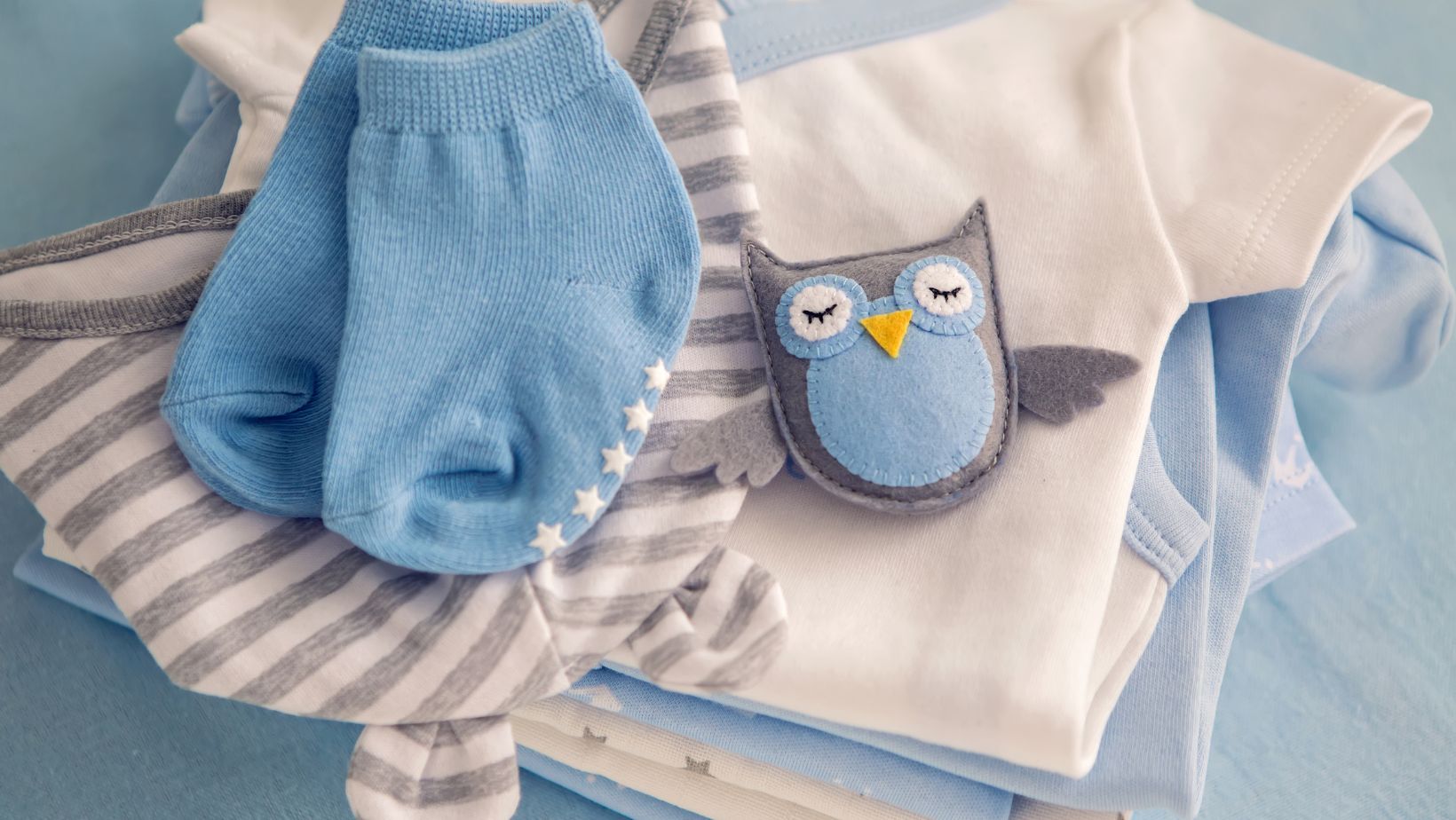
Understanding Newborn Clothing

Navigating newborn clothing can be overwhelming for new parents. From onesies to sleepers, consider comfort by choosing lightweight and breathable fabrics like cotton or bamboo. Layering is key as temperatures can change. Accessorizing is not necessary, but you can add some fun elements like hats and socks with vibrant colors or patterns. Safety first – avoid anything that is a choking hazard or too tight. Always wash new clothes before putting them on your baby. When my daughter was born, I learned the hard way to check for easy access snaps before leaving the house. Dress your newborn in summer gear for ultimate coolness!

What Do Newborns Wear In The Summer

To make sure your newborn stays comfortable during the summer, you need to dress them appropriately. In order to achieve this, our section on essential summer clothing items for newborns consists of solutions like lightweight cotton onesies, breathable hats, soft and comfortable shorts, sundresses for baby girls, and airy rompers.

Lightweight Cotton Onesies

Lightweight cotton onesies are a must-have for your newborn’s summer wardrobe. They give comfort, protection and easy movement. Here’s why:

  • Cotton is a natural fiber that allows air to flow around the baby’s body and stops them from overheating.
  • Snap closures make it easy to change diapers while out and about.
  • Lightweight cotton onesies can be layered or worn alone, depending on the temperature and occasion.
  • They come in loads of styles, making them perfect for everyday or special events.
  • Cotton fabric is hypoallergenic, reducing the risk of skin irritations and allergies.
  • Onesies made from organic cotton have no dangerous chemicals, pesticides or dyes.

Get several lightweight cotton onesies in different sizes as babies grow fast. Plus, avoid dressing your baby with too many layers as it could lead to over-heating and discomfort. A good tip is to choose onesies with fold-over mitts to prevent your baby from scratching themselves.

Protect your baby’s skin from the sun with a breathable hat, or just apply sunscreen to create a baby toupee instead.

Breathable Hats

When it comes to keeping your newborn cozy in warmer weather, headwear is essential. Here’s the lowdown on breathable, lightweight hats for infants:

  • Go for a cotton or linen hat.
  • Opt for wide brims or hats with neck flaps for added sun protection.
  • Steer clear of hats with tight elastic bands which could leave marks on baby’s skin.
  • Make sure the hat fits snugly, allowing airflow.

To keep your newborn extra comfy in their hat, pick one with inner sweatbands that’ll wick moisture away from their skin.

Medical sources suggest newborns are more prone to heat exhaustion and dehydration because of their smaller body mass and difficulty regulating temperature.

These hats are so soft, your baby will feel like they’re wearing a cloud – or a cuddly pup!

Soft And Comfortable Shorts

Newborns need soft, comfy clothes to stay healthy and happy in summer. Choose items carefully to ensure their delicate skin stays cool and irritation-free. Soft and Comfy Shorts are essential for a baby’s summer wardrobe! Here are four reasons why:

  1. Ventilation prevents heat rash.
  2. Easy diaper changes without removing the outfit.
  3. Soft materials like cotton keep them comfy all day, even when playing or napping.
  4. Elastic waistbands stop irritation.

Note: Never choose shorts that are too tight. Choose ones that fit well and are made from high-quality materials. Avoid clothes with scratchy tags or seams.

My friend shared her newborn’s story of discomfort with rough fabric shorts that made him cry. She eventually found organic cotton shorts that were perfect for his sensitive skin. Even babies can rock a sundress! Your girl will be the trendiest one at the playground in her tiny sundress.

Image3

Sundresses For Baby Girls

Must-have item for baby girls: Light summer dresses! These comfy garments give newborns the perfect breathability and flexibility in hot weather. Pick cotton fabric for extra breathability and flexibility. The elastic waistline and straps make it easier to take on and off, so your little one won’t feel constricted. Plus, choose light colors so stains won’t be too hard to remove.

Don’t forget to check the fabric’s durability – go for robust material so you don’t have to worry about snagging or ripping. Pro Tip: Opt for sundresses with adjustable straps, so it can grow with your baby girl and still fit in next season’s summer. And if sweating is a worry, airy rompers are a great choice for newborns!

Airy Rompers

In summer, ‘Airy Rompers’ are a must-have for babies. They’re loose-fitting and breathable, so they don’t hinder movement. It also prevents overheating and rashes.

  • Light material absorbs sweat and keeps the baby cool.
  • An open neck design makes it easy to dress them.
  • Snap buttons at the bottom for fuss-free diaper changes.
  • A lot of colors and patterns for boys and girls.
  • Offers sun protection without making them hot.

Plus, these Rompers also protect against UV rays and insects when playing outside.

Pro Tip: Get CPSC certified clothes for infants’ safety. Wool isn’t a great choice for newborns!

Safe Fabric Choices For Newborn Summer Clothing

To ensure your newborn is comfortable and safe in the summer, you need to carefully choose their clothing fabrics. In order to achieve this, we are introducing three sub-sections: Organic Cotton, Bamboo, and Linen. Understanding the fabrics your newborn’s clothes are made of can make a significant difference in how your baby feels during hot summer days.

Organic Cotton

Fabric from natural sources, processed without harmful chemicals, is a great choice for newborn summer clothes. This fabric won’t irritate their delicate skin or cause allergies.

Organic cotton comes from non-genetically modified plants. It’s grown without synthetic fertilizers or pesticides. Eco-friendly techniques are used with strict regulations. Organic cotton is soft, breathable and hypoallergenic. Comfort, quality, safety and durability are promoted in newborn clothing.

When choosing fabrics for newborn summer clothing, other factors must be considered. Colors, patterns, design must meet safety standards and not affect the baby’s health. Bright colors can cause irritability in the infant.

In 2021, BabyGearLab reviewed Burt’s Bees Baby organic onesies. They rated them best overall for excellent quality, design appeal and functionality.

Bamboo is strong enough to hold up a panda. So, it’ll certainly be a great choice for your newborn’s summer wardrobe.

Bamboo

Bamboo fabric has unique benefits. It’s durable, resilient and easy to care for. Plus, it stays in shape even after washing!

Newborns need the best fabric. Bamboo is soft, hypoallergenic and resistant to bacteria. It also regulates body temperature and is environmentally friendly.

Bamboo has been around for over 5000 years! It used to be food and building material. Now it’s popular for its sustainability.

Make your baby look cooler than a cucumber this summer with bamboo fabric!

Linen

Natural fibers like plant materials are used in summer newborn clothing to keep them comfortable in hot weather. Linen, from flax plants, is popular for its lightweight and moisture-wicking properties. Breathable linen prevents overheating and keeps babies fresh on hot days, without generating static electricity. Linen clothes have been used since ancient times. The Greeks wore linen to indicate wealth, while some parts of northern Europe decorated their homes with flax before weddings.

Size matters when it comes to newborns – too big and they look like potatoes, too small and it’s like a baby bodybuilding contest.

Tips For Selecting The Right Size

Dressing your newborn can be tricky, but the right fit is essential. Here are tips to assist:

  • Check the baby’s weight and height before buying
  • If in doubt, go bigger not smaller
  • Choose newborn-specific clothes, not just age/weight

Remember: babies grow differently, so focus on measurements, not age.

To ensure comfort in summer, go for breathable fabrics like cotton or muslin. Loose-fitting garments are best so air circulates, avoiding rashes and skin irritations.

Choose clothes that fit perfectly and match the baby’s growth patterns and needs. Be up-to-date with fashion trends to discover something new! Summer clothing for newborns has never been easier.

Best Brands Of Newborn Summer Clothing

To find the best brands of newborn summer clothing, you can turn to Carter’s, Gerber, and Burt’s Bees Baby. Each of these brands offers high-quality, comfortable clothing options that are perfect for warmer weather. By choosing from these top brands, you can ensure that your newborn stays cool, comfortable, and stylish all summer long.

Carter’s

Carter’s is renowned for its stylish newborn summer clothing. Comfort is a priority – onesies, rompers, dresses, and shorts are all crafted from high-quality materials for extra durability. There’s something for everyone – vibrant colors and prints, plus sizing options to fit every baby. Accessories, like hats, socks, and booties, complete the look. Plus, they’re OEKO-TEX certified – free from chemicals and dyes.

Fun fact: William Carter began by making mittens and switched to baby apparel due to its popularity. Now, over 150 years later, Carter’s is one of the leading infant apparel brands. Gerber – because your newborn deserves more than just a diaper!

Image1

Gerber

Burt’s Bees Baby is known for their high-quality baby clothing and accessories. Their summer collection is super cute—featuring lightweight onesies, rompers, dresses, and shorts made with soft and breathable fabrics. Plus, adorable prints and patterns for both girls and boys!

What makes Burt’s Bees Baby stand out is their commitment to sustainability—using only natural materials that are safe for babies’ delicate skin. For over 90 years, they have been offering innovative techniques and quality products.

Did you know? Burt’s Bees Baby was founded by Dorothy Gerber in 1927—starting off with baby food before expanding into clothing and other products. Today, they are the go-to brand for top-notch quality baby items. Perfect for your little one’s Instagram debut!

Burt’s Bees Baby

Burt’s Bees Baby creates stylish summer clothing for newborns with gentle, organic cotton material. Their collection includes rompers, dresses, and sets that are breathable and comfy. Playful prints and bright colors make your little one stand out! Plus, easy-to-use snaps and buttons make diaper changes a breeze.

This brand is dedicated to sustainability, using eco-friendly materials. They also partner with nonprofits to give back. Don’t miss out! Dress your newborn in these trendy clothes. Keep them cool and stylish this summer. Feel good knowing you’re supporting a sustainable brand. Be sure your baby is always the coolest kid on the block (or playpen)!

Care Tips For Newborn Summer Clothing

To care for your newborn’s summer wardrobe properly, you need to understand how to tackle stains, washing, and drying techniques. The washing instruction, stain removal, and drying techniques subsections will provide you with easy-to-follow solutions to keep your newborn’s clothes fresh and bacteria-free throughout the summer months.

Washing Instructions

Proper washing is key to keeping your baby’s summer clothing bright and comfy. Follow this 3-step guide for cleaning newborn clothes:

  1. Sort – Separate the bright colors from white ones. Machine washes them separately to avoid color transfer.
  2. Detergent – Use a mild, fragrance-free detergent to prevent skin allergies.
  3. Washing Technique – Avoid bleach and fabric softeners. Rinse with warm water and hang to dry.

Extra Tips:

  • Maximize comfort by choosing cotton or linen fabrics.
  • Unzip zippers to protect them from snagging.

Ready to enjoy outdoor activities with your little one? Get the right detergent, sort the laundry, select gentle washing methods and get ready for fun! Swipe left on summer stains with some stain remover.

Image4

Stain Removal

Keep your newborn’s summer clothes stain-free. Here’s how:

  • Act fast when a stain is noticed – use a stain remover or soak it in cold water.
  • Tackle stubborn stains with natural remedies like baking soda and vinegar.
  • Don’t use heat – use cold water instead.
  • Follow clothing labels’ instructions for tough stains.

When dealing with delicate fabrics, research or seek advice from professionals. Dish soap and hydrogen peroxide can remove most stains without damaging the fabric. (Source: Good Housekeeping Magazine)

Don’t dry baby clothes with summer rain.

Drying Techniques

Wash your newborn’s summer clothes? Check! Now it’s time to dry them. Here are some tips:

  • Hang them in a well-ventilated area.
  • Avoid direct sunlight.
  • Use a clothesline or rack.
  • Don’t use a dryer – it can damage delicate fabrics.
  • If you do, use a low heat setting and remove clothes while still slightly damp.
  • Fluff dries only when necessary.

Hang or fold clothes immediately after drying to prevent wrinkles. Read care labels for special instructions. Remember: humid weather means longer drying time.

Experts at Mayo Clinic warn that using the dryer too often increases the risk of respiratory problems. So, follow these tips to keep your newborn comfortable and stylish all summer while reducing your carbon footprint. Enjoy Instagram likes with a clear conscience!

Conclusion: Keep Your Newborn Stylish And Comfortable All Summer Long

When dressing your newborn in summer, prioritize comfort and style. Choose lightweight fabrics like cotton or linen. Rompers or onesies are great for easy diaper changes and sun protection. Add a hat and sunglasses to shield their delicate skin from UV rays. Keep them cool and comfy during hot days.

Choose light fabrics that breathe and bright colors or prints to make their outfits stylish. Rompers and onesies are practical – they keep air circulating around the diaper area.

Check the weather forecast before dressing up your little one. Babies regulate their temperature differently than adults, so dress them appropriately. Avoid over-layering, as it can lead to overheating.

The American Academy of Pediatrics (AAP) recommends hats with brims and sunglasses for direct sunlight due to their skin’s high risk of sunburns and heat stroke.

Check your baby’s temperature regularly from 7:30 am until bedtime. Comfort always comes first when choosing clothing for a newborn.

Beginner Weight Training For Senior Women: Build Strength And Stay Active!

As a senior woman, starting a weight training program can feel like a daunting task, especially if you have never done it before. However, weight training offers numerous health benefits such as increased muscle mass, improved bone density, and reduced risk of injury. It’s never too late to start, and with the right guidance and approach, you can safely and effectively engage in beginner weight training.

Beginner Weight Training For Senior Woman

If you’re new to weight training, it’s crucial to start small and gradually progress. You want to ensure that you are performing exercises correctly and safely to avoid injury. Simple movements such as squats, lunges, and modified push-ups, can be an excellent place to start. The use of resistance bands or light weights can also help to build strength and confidence in your abilities.

It’s also important to consult with a physician and work with a certified trainer who can help you develop a safe and effective program tailored to your specific needs and abilities. With patience, consistency, and a positive mindset, you can successfully incorporate weight training into your lifestyle and reap the many benefits it offers.

Image2

Why Weight Training is Important For Senior Women

As a senior woman looking to take up an exercise routine, you may be wondering, “why weight training?”. While many tend to believe that cardio is the most effective exercise for targeted weight loss and increased health, weight training holds several unique benefits that can help improve your overall health as well as your ability to perform daily tasks. Here are a few reasons why weight training should be an important aspect of your exercise routine as a senior woman:

1. Improved Muscle Mass: As we age, our muscles tend to weaken and shrink in size, which can make us more susceptible to falls and other injuries. Weight training is an excellent way to address this issue, as it can help improve our muscle mass and strength, making us more capable of performing day-to-day tasks.

2. Increased Bone Density: Osteoporosis is a common condition among senior women, which causes a decrease in bone density and thus a higher risk of fractures. Weight training can help improve bone density and reduce the risk of fractures, making it an essential component of your exercise routine.

3. Boosted Metabolism: As we age, our metabolism tends to slow down, making it harder to lose weight and maintain a healthy body weight. Weight training can help counteract this effect, as it has been shown to increase metabolism and improve body composition.

4. Enhanced Mental Health: Studies have shown that weight training can have a significant positive impact on mental health, reducing symptoms of depression and anxiety and improving overall cognitive function.

5. Increased Longevity: Regular exercise, including weight training, has been shown to increase overall lifespan and quality of life, making it a worthwhile investment for senior women looking to maintain their health and independence well into old age.

By combining weight training with a well-rounded exercise routine that includes cardio and flexibility exercises, senior women can improve their physical and mental health in numerous ways while reducing their risk of injury and chronic disease. As always, it’s essential to consult with your healthcare provider before starting any new exercise routine, especially if you have any pre-existing conditions or concerns.

Tips For Starting a Safe And Effective Weight Training Program

If you are a senior woman who is new to weightlifting, it is important to start slow and build a solid foundation to prevent injury. Here are some tips to help you start a safe and effective weight training program:

1. Consult a Physician: Before starting any new workout routine, consult your physician to ensure that it is safe for you. Your doctor can also provide you with recommendations and guidelines that are tailored to your specific needs.

2. Begin with Bodyweight Exercises: Bodyweight exercises are a great way to get started with weight training as they allow you to strengthen your muscles without using equipment. Examples of bodyweight exercises include squats, lunges, and push-ups.

3. Gradually Increase Weight: Once you feel comfortable with bodyweight exercises, gradually introduce weights into your routine. Start with lighter weights and gradually increase the weight as you become stronger and more comfortable with the exercises.

Ladies, Upgrade Your Work Wardrobe With Women Business Blouse

If you’re looking for comfortable and stylish attire for work, then the women’s business blouse is a perfect choice. Women’s blouses come in various styles, colors, and materials suitable for various work environments and dress codes. The business blouse, in particular, is an essential garment for any professional woman’s wardrobe.

Not only do women’s business blouses provide a professional and authoritative look, but they are also versatile enough to wear with a range of outfits. On casual Fridays, you can pair them with skirts, dress pants, or jeans. Whether attending a meeting, presenting, or closing a deal, the right blouse can give you the confidence to succeed.

Women Business Blouse

Finding the perfect fit for a business blouse is essential for any professional woman who wants to dress to impress. Here are some important factors to consider when choosing the right fit for a women’s business blouse:

1. Body Type

It’s important to consider your body type when choosing the right fit for your business blouse. A blouse that fits great on one person might not look good on the other. Women with an hourglass figure can opt for a more fitted blouse, while those with a larger bust might prefer a more relaxed fit. Women with rectangular bodies may choose a blouse that cinches at the waist to create an hourglass shape.

2. Size

When it comes to size, fit is everything. Avoid choosing a blouse that is either too tight or too loose. A too-tight blouse can make you look uncomfortable and restrict your movement, while a loose one can look sloppy and unprofessional. Always check the size chart before purchasing a business blouse and ensure it fits well across your bust, shoulders, and waist.

3. Fabric

Choosing the right fabric for a business blouse is essential for achieving a polished look. Fabrics that wrinkle easily, such as linen, should be avoided in the professional setting. Opt for soft, lightweight, and breathable fabrics, such as cotton and silk. These fabrics are not only comfortable to wear, but they also tend to drape well and make you look more put together.

4. Sleeve Length

The sleeve length can greatly affect whether a blouse looks professional. Women’s business blouses typically come in three sleeve lengths: short, three-quarter, or long. Short sleeves are usually not the best choice for a business environment, while three-quarter sleeves provide a more polished look. Long sleeves, though more traditional, can make you look more serious. Choose the sleeve length that complements your body type and personal style.

5. Neckline

Finally, consider the neckline of the blouse. Women’s business blouses are available in necklines, including round, V-neck, and boat neck. A V-neck gives a more defined appearance, while a round neck makes you appear more approachable. A boat neck is quite versatile and can be styled in many ways. You should select a neckline that suits your personality and career goals.

Image2

Trending Styles For Women’s Business Blouses:

You’ve come to the right place if you’re looking for trending styles for women’s business blouses.

1. Classic White Blouse – You can never go wrong with a classic white blouse. It’s timeless, elegant, and professional. Pair it with a pencil skirt or trousers for a polished look.

2. Statement Sleeves – Add some flair to your blouse with statement sleeves. Whether it’s oversized, ruffled, or puffy, statement sleeves add a touch of personality and style to your outfit.

3. Bold Colors and Prints – Break away from the traditional neutrals and add bold colors and prints to your wardrobe. A brightly colored blouse or a patterned one can add color to your outfit.

4. Collarless Blouses – Collarless blouses are a contemporary take on the classic blouse. They’re sleek, simple, and versatile. Wear them with jeans or dress pants, and you’re good to go.

5. Wrap Blouses – Wrap blouses are flattering and comfortable. They accentuate the waistline and add a feminine touch to your outfit. They’re perfect for a business meeting or a casual lunch with colleagues.

As a woman in business, having a wardrobe that reflects your style and personality is essential. You can turn heads in the office with these trending styles for women’s business blouses.