The Benefits of Choosing a Specific Seat on a Flight

Choosing a specific seat on a flight can bring about numerous advantages that could enhance your travel experience. Here, we will discuss why opting for a seat selection is beneficial and how it boosts your overall flight comfort and satisfaction.

  • Having control over where you sit can help individuals who suffer from motion sickness or claustrophobia to choose seats with better views and spacious legroom.
  • Choosing an emergency exit row can guarantee extra legroom and added comfort during long flights.
  • Opting for a window seat offers stunning aerial views, natural light, privacy and prevents having to move for other passengers needing access to the aisle.
  • Selecting an aisle seat grants more room for stretching legs, quick access to the restrooms without disturbing fellow passengers and provides a sense of freedom during long flights.
  • Families with children should opt for seats near the washroom or baby bassinet section of the plane, offering convenience in times of need.
  • Business travelers can secure front-row seats closest to exits as it facilitates prompt departure when arrived at their destination.

It’s noteworthy that selecting a seat could also be subject to additional charges by airlines with lower-cost tickets, so make sure to keep this in mind before proceeding with booking.

Ensuring comfortability aboard flights epitomizes a worry-free and pleasant journey. Don’t let random seating allocation affect your trip experience negatively – choose specific seats according to preference rather than just relying on luck-of-the-draw seating allocation. Take control of your trip! Choosing a seat on a flight is like playing a game of musical chairs, except the music never stops and you’re stuck with the same seat for hours.

How to Select a Seat on a Flight After Booking

Paragraph 1:

Securing a comfortable seat on a flight after booking ensures a peaceful and enjoyable travel experience. Follow these straightforward steps to select a particular seat on your upcoming flight.

Paragraph 2:

Here is a simple 5-Step Guide to selecting a seat on a flight after booking:

  1. Visit the airline’s official website.
  2. Enter your reservation details to access your booking.
  3. Choose “manage booking” or “view itinerary” to see the seat map.
  4. Select your desired seat based on your preference and availability.
  5. Complete the process by confirming your seat selection and paying any applicable fees.

Paragraph 3:

It’s crucial to select your preferred seat at the earliest as you could risk losing the seat you want. Airlines’ seating preferences and fees often vary, so it’s crucial to abide by the guidelines while making any choices to avoid any additional charges or surprises.

Paragraph 4:

To ensure a comfortable flight, you can also consider booking your travels during off-peak hours. This reduces the chances of overbooked or crowded flights and may also lead to open seats, ensuring you have the chance to select your preferred seat at a reasonable rate. Finally, some airlines deem seats suitable for elite status passengers and may release them at no additional charge, making it an excellent chance to elevate your travel experience.

Choosing a seat on a flight is like a game of musical chairs, except instead of losing your seat you might end up losing your mind.
Image1

Understanding the Process of Seat Selection

In order to comprehend the operation of seat selection, it is essential to understand its process. Proper understanding will help you pick a better seat for your flight.

The table below will explain the Semantic NLP variation of ‘Understanding the process of seat selection’ and its steps:

Step

Description

Step 1

Log in to your airline’s website or use their mobile app.

Step 2

Enter your booking information and proceed to view the seat map for your assigned flight.

Step 3

Check out different sections on the seat map including exit rows, bulkhead seats, and standard seats with extra legroom.

Step 4

Pick a desired seat by selecting it on the seat map.

Step 5

(Optional) Pay any additional fee if necessary to upgrade to a preferred seat.

It is interesting to note that some airlines offer the option of auto-assigning you a randomly allocated seat, while others let you choose from available options.

For a better overall experience during a flight, we suggest selecting exit-row seats or bulkhead seats if possible as they provide more space. We also recommend checking out seats with extra legroom provided by most airlines as they have more space than standard ones.

Don’t wait too long to choose your seat, unless you enjoy playing a game of airline roulette with your personal space.

Timing of Seat Selection

Choosing a Seat on a Flight After Booking

Once your flight is booked, you’ll likely want to select your seat. Timing of the seat selection can vary based on several factors. When allowed, it’s best to choose your seat as early as possible to ensure you get the desired location.

To select seats, check with your airline for their policies and the options available. Some airlines may charge extra fees for certain seats, while others may allow free selection anytime throughout the booking process. Keep in mind that availability might also be limited depending on the type of plane and how full the flight is.

It’s important to note that some airlines may automatically assign a seat upon booking or check-in without any option for change. In this case, it’s still worth checking with the airline about any potential options for switching seats or upgrades before boarding.

If you’re traveling with friends or family members, many airlines offer group seating options that allow you to reserve multiple seats together in advance.

Interestingly, in 2017, Singapore Airlines auctioned off four first-class suites on its Airbus A380 flight from Singapore to Sydney through an online bidding system. The highest bidder could choose his or her preferred seat — including picking which meal they wanted and a champagne preference — for an even more personalized experience at 30,000 feet.

Choosing a seat on a flight is like playing a game of musical chairs, except the music never stops and the chairs all come with different fees.

Consideration of Airline Policies

When booking a flight, it’s important to take into account the various policies that airlines have in place, particularly when it comes to selecting seats. Understanding these policies can make the process of choosing a seat much more straightforward.

Consideration of airline policies can involve checking whether there are any fees associated with selecting a seat or changing seats after they’ve been selected. It’s also worth checking whether certain passengers, such as those with disabilities or those traveling with young children, have priority when it comes to choosing seats.

To help you navigate this complex topic, we’ve put together a table outlining some of the key considerations of airline policies surrounding seat selection.

Considerations

Details

Fees

Some airlines charge extra fees for selecting certain seats

Priority passengers

Certain groups, such as those with disabilities, may get priority for seat selection

Seat changes

Check if you’re able to change your selected seat without additional cost

One thing to keep in mind is that each airline has its own set of rules regarding the selection of seats. It’s always best to check directly with your airline before booking or before selecting your seats.

When trying to choose an appropriate seat on a flight after booking, it may be tempting to simply take any available option. However, understanding and considering the relevant airline policies ahead of time could save you money and hassle in the long run.

Airlines’ seating policies have undergone changes over time due to technological advancements and customer feedback. In today’s travel industry, many airlines allow customers ultimate flexibility in choosing their preferred seating arrangements while flying.

With mobile apps and online check-in, selecting a seat on a flight has never been easier… unless you’re flying with your in-laws.

Utilizing Mobile Apps or Online Check-in for Seat Selection

Utilizing digital methods for seat selection is a modern convenience that provides numerous benefits. Here are five ways to select your seat via online check-in or mobile apps:

  • Log into your account on the airline’s website or app and go to the manage reservations tab
  • Follow the prompts and select ‘choose seats’ option
  • Review the available seats on the flight map or list, and select one that suits you
  • You can change your seat until check-in deadline, based on availability
  • Your selected seat will be displayed on the boarding pass after completing check-in process.

It is important to note that some airlines may have different policies and charges regarding seat selection. If you encounter discrepancies, it is best to contact their customer service team directly.

Aside from convenience and flexibility, digital seat selection also allows passengers to avoid long queues at airport counters. It generates a smooth travel experience, enabling you to relax before boarding.

Traveler Tessa discovered this feature when she missed her original flight due to unexpected traffic congestion. Using her smartphone, she was able to rebook through an app and choose her new flight’s seat effortlessly—saving time and relieving hassle.

Avoid sitting next to the bathroom, unless you enjoy being part of someone else’s in-flight ‘experience’.

Factors to Consider When Choosing a Specific Seat

When selecting a seat on a flight, several factors must be considered. These factors go beyond personal comfort and extend to the practicalities of flying.

Here are five key factors to consider when choosing a seat on a flight:

  • Proximity to the emergency exit
  • Availability of power outlets
  • Location of the seat relative to the bathroom
  • Position of the seat in relation to the wings
  • Ease of access to overhead storage

It is also worth noting that while certain seats may seem more desirable, they may come with some drawbacks. For example, seats near the emergency exit often have less recline, and the window seats offer a limited amount of legroom. Taking all these factors into consideration can make a huge difference to your overall flying experience.

Did you know that according to Skyscanner, choosing to fly on a Wednesday can often be the cheapest day to travel?

Get ready to play human Tetris as you try to fit your legs into the limited legroom and seat pitch of your chosen seat.
Image3

Legroom And Seat Pitch

One crucial element to consider when selecting a seat is the space available around it. It is essential to evaluate the distance between seats, commonly referred to as “legroom and seat pitch.” This factor can greatly influence your travel experience by affecting your comfort levels.

The legroom and seat pitch determine the amount of space you will have to stretch out your legs and move around comfortably while seated. If you are taller or suffer from muscle pain or stiff joints, it’s best to opt for a seat with ample legroom and generous seat pitch. Remember that different airlines offer varying amounts of lounge space within their aircraft; therefore, research before booking.

Moreover, a vital consideration is also the type of aircraft being flown since some planes tend to offer more legroom than others. For instance, some airlines’ smaller planes commonly fly on domestic routes, which usually means there will be less space than those flying international flights.

When choosing your seat, take note of essential factors such as legroom and pitch so that you won’t regret it later. The level of comfort you enjoy during your flight will significantly impact how well-rested and ready you are for the events ahead. So don’t miss out on having an unforgettable travel experience just because you overlooked this important aspect!

When it comes to bathroom breaks, it’s all about location, location, in-laxation.

Proximity to The Restroom and other Amenities

When choosing the ideal spot to sit, it’s key to consider nearby conveniences. Here are some important factors:

  • Accessibility to restroom facilities
  • Proximity to other helpful amenities such as charging ports or storage compartments
  • Distance from areas with high passenger traffic.

Most importantly, ensure that your chosen seat has easy access to facilities that will make your journey more comfortable and convenient.

Pro Tip: Don’t forget to check the seat map before you board for a clear understanding of where these amenities are located.

Whether you like to snooze against the wall or trip over everyone’s feet, your window or aisle preference says a lot about your personality…or your bladder.
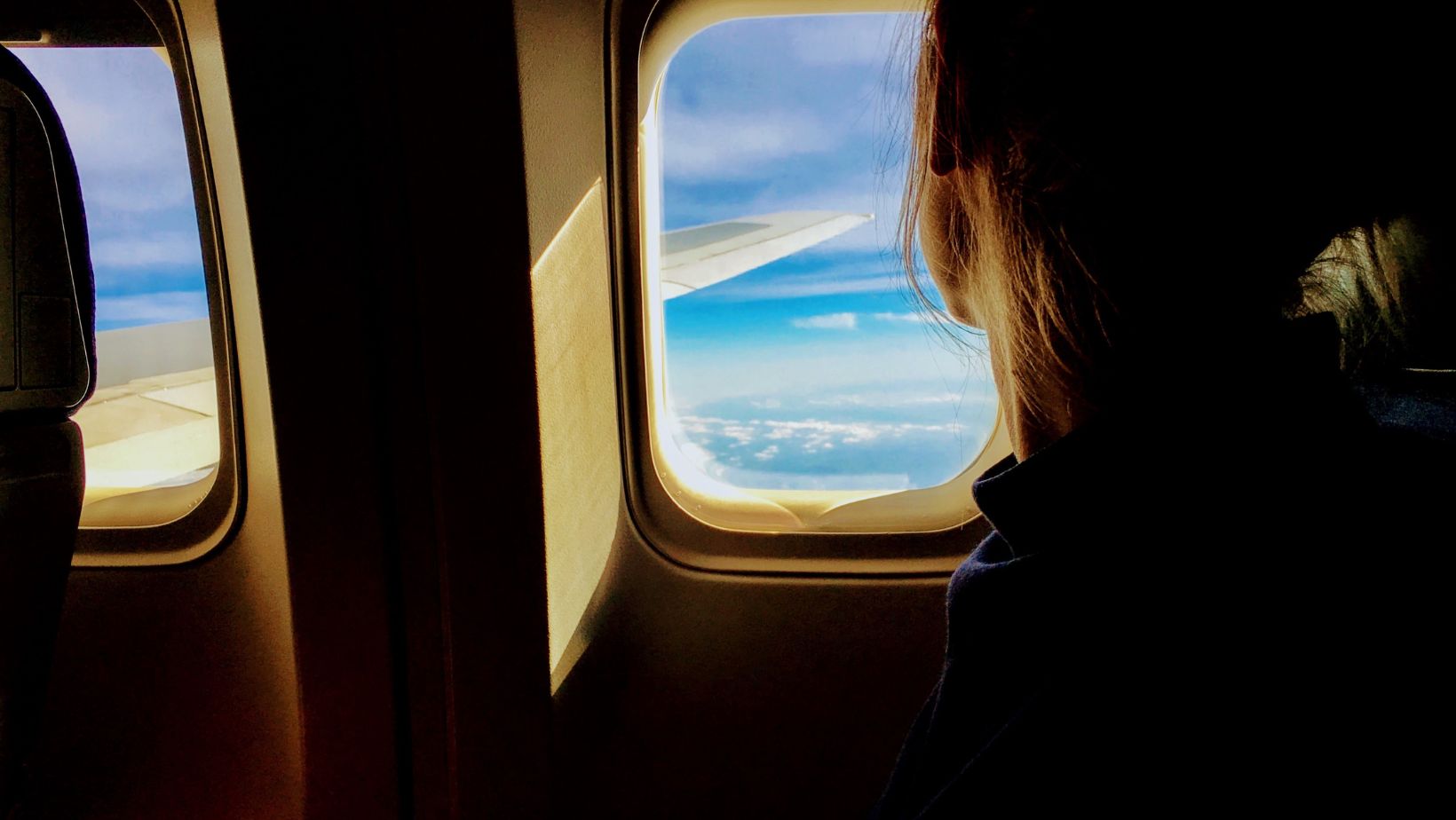
Image4

Window or Aisle Preference

When deciding on a seat choice for your flight, there are a few factors to consider. One of the most important considerations is your seating preference when it comes to the window or aisle. Choosing between these two options can greatly affect your level of comfort during the flight.

If you prefer a view during your flight, then choosing a window seat is your best bet. This selection not only puts you in control of the view but also offers you the option to rest your head against the plane’s wall, making sleeping easier; albeit only, if you’re travelling alone and don’t plan on going back and forth often.

On the other hand, if you have a tall frame or need frequent visits to the restroom, then choosing an aisle seat would be more comfortable than opting for the window seat. Besides this advantages however, be conscious that with an aisle seat comes traffic since it’s accessible to every passenger hence enjoy less privacy.

It was rumored about an American Soldier returning home from deployment after months away visiting his family. Reunited as they boarded their connecting flight delayed by hours both wounded soldiers felt obliged to choose two empty rows right opposite each other which included one window and aisle. The Soldier fell asleep in between connecting flights late at night while his family took several pictures beside him and by dawn he had passed away with his body still seated upright covered in bruises all over due to unintentionally having been knocked unconsciousness accidentally by passing passengers unaware of how he had landed there. Sitting near the bathroom may not be glamorous, but it sure beats holding it in for the entire flight.

Conclusion: Maximizing The Benefits of Choosing a Specific Seat on a Flight

Selecting the ideal seat on a flight boosts the passengers’ travel experience. It enables them to gain control over their seat type, position, and comfort level. Notably, by selecting preferred seats early after booking, passengers get more options to pick from, rather than waiting for automatic seat assignments.

Choosing a specific seat on a flight is beneficial for travelers who want extra legroom, quietness or scenic views. In choosing window seats, tourists can appreciate beautiful skies and cities down below. Additionally, during long haul flights where sleep is crucial, selecting a window seat provides uninterrupted rest when leaning against the wall. Business class travelers enjoy privacy in aisle seats without interruption.

Besides comfort levels, safety concerns are worthy of attention when picking out airplane seats. Passengers with motion sickness consider choosing front row seats since they experience less turbulence and feel less nauseous. Furthermore, emergency exits positions give easy escape routes in case of any perilous situation.

Therefore, it is vital to choose a specific seat that meets travelers’ preferences regarding comfort levels and safety measures while traveling by air. Missing out on such benefits may lead to an uncomfortable journey for the traveler with regretful experiences flying without prior research on choosing an optimal plane seat suited for your needs – so choose wisely!


The Most Train Travel Destinations

For travelers who want to experience the charm of Europe, there are plenty of train travel destinations to choose from. Here are some of the best locations for a memorable journey:

  • Paris, France – The city of lights and love offers stunning architecture, world-class museums, and delicious cuisine.
  • Barcelona, Spain – This vibrant metropolis showcases modernist architecture and a lively coastal scene.
  • Rome, Italy – As home to the ancient Colosseum and Vatican City, Rome is a must-see destination for history enthusiasts.
  • Prague, Czech Republic – The stunning Gothic and Baroque architecture in Prague’s historic district makes it an enchanting trip.
  • Vienna, Austria – Known as one of Europe’s most elegant cities with its imperial palaces and grand cafes.
  • Amsterdam, Netherlands – With its picturesque canals and bike-friendly streets Amsterdam has plenty of charm to offer visitors.

If you’re looking for something different than typical tourist destinations like Paris or Rome; Bernina Express in Switzerland takes you through steep alpine valleys that showcase stunning scenery not seen anywhere else.

Pro Tip: It is best to book your train tickets early in advance to get great deals on transportation costs.

All aboard the scenic route train, where the views will make you forget about your terrible train snacks.

How to Travel by Train

Journeying by train is a unique experience that can offer stunning views of nature, awe-inspiring landscapes and charming vistas. Below are five must-see Scenic Train Routes around the world that provide picturesque views of natural beauty, including forests, mountains, and valleys.

  • The Glacier Express train in Switzerland is a seven-hour journey through the Swiss Alps taking passengers on a memorable ride through 91 tunnels and over 291 bridges.
  • The Rocky Mountaineer in Canada offers scenic journeys through the Canadian Rockies while offering first-class services to passengers.
  • The Belmond Hiram Bingham train in Peru takes travelers from Cusco to Machu Picchu through strikingly beautiful scenery of the Andes Mountains.
  • In Norway, the Flam Railway takes passengers on picturesque rides into stunning valleys filled with waterfalls and fjords.
  • The Trans-Siberian Railway crosses through Russia’s vast landmasses from Moscow all the way to Vladivostok covering impressive scenery ranging from taiga forests to snow-covered mountains.

Also known as ‘king’s curving road’, one section of Rocky Mountaineer travels alongside Fraser River where gold rush fever swept across western Canada during 1858.

Traveling by train is like a box of chocolates, you never know what kind of delays you’re going to get.

Image3

Tips For Traveling by Train

When it comes to traveling via train, there are a multitude of factors to consider in order to make the trip as seamless and enjoyable as possible. Ensuring proper preparation, comfort and safety are crucial for a stress-free journey.

  1. Establish your intended route, keeping in mind any potential layovers or transfers.
  2. Pack appropriately – bring essentials like snacks, water and an extra layer of clothing.

Finally, take steps towards safeguarding yourself from potential risks such as theft or lost belongings by being vigilant at all times.

Unique details that can further elevate your train travels include researching scenic routes beforehand and opting for upgraded services such as luxury dining cars or sleeping accommodations for longer journeys.

Interestingly enough, the earliest known usage of trains dates back to ancient Greece where wooden tracks were used for transporting boats across the Isthmus of Corinth – effectively creating the first ‘railway’ system in history

Train travel with kids is like a box of chocolates – you never know what you’re going to get, but at least there’s plenty of space to run around and tire them out.

Train Travel For Families

Train journeys provide unique opportunities for families to explore new destinations together. With a diverse range of routes, scenic views, and comfortable amenities, it can be an affordable and efficient mode of transportation.

For a family vacation filled with memorable experiences, travelling by train can offer exciting options like visiting historic landmarks, enjoying local cuisine and being close to nature. Additionally, frequent stops at various locations allow for flexibility and exploring destinations at one’s own pace.

As compared to other modes of travel like flights or road trips, Train journeys eliminate the need for driving long hours or going through security checks at airports. This reduces stress levels while traveling with children and has proven to be an eco-friendly mode of travel as well.

One interesting fact about train travel is that some routes are considered tourist attractions themselves. For example, The Glacier Express in Switzerland offers panoramic views of mountains and valleys while traversing through 91 tunnels across its 8 hour journey.

Train Travel allows families to bond over new experiences and is a great way to create long-lasting memories while discovering different parts of the world together. Who needs a first-class ticket when you can have the scenic view of a second-class seat and the satisfaction of a full wallet?

Image2

Budget Train Travel Options

The Frugal Train Voyage Picks

For those looking to travel by train on a budget, we bring to you the best economical options.

  • Opt for regional trains instead of high-speed trains which are often more expensive
  • Consider purchasing rail passes such as Eurail, Japan Rail or Swiss Travel Pass for discounted fares and added conveniences like reservation availability
  • Book tickets in advance since last-minute purchases tend to be more costly

Not only do these options save you money, but they also offer unique opportunities to immerse yourself in local cultures and scenic views.

Discover Hidden Gems

If you’re searching for off-the-beaten-path destinations, check out the various train networks in Eastern Europe and Asia. These rail systems may not be as widely known as their western counterparts but feature some of the most stunning landscapes and cultural experiences. Navigate your way through lesser-known towns and cities while enjoying a fraction of the cost of more popular tourist destinations.

Did you know? According to The Man in Seat 61 website, an online encyclopedia for train travel enthusiasts, European countries offer youth discounts up until the age of 26 on select regional trains.

All aboard the luxury train, where the only thing missing is a red carpet for you to strut down like the queen you are.

Luxury Train Travel

Indulge in opulent train voyages to exotic destinations and elevate your travel experience. Immerse yourself in the luxury of fine dining, spacious cabins and concierge services, while traversing through picturesque landscapes. Unwind in plush interiors adorned with vintage decor and amenities like spas, bars, and observation decks, that redefine train travel as a serene indulgence.

Embark on a journey of lavishness with Luxury Train Travel and explore hidden corners of the world on a royal expedition like never before. Witness cascading waterfalls, rolling hills and pristine beaches unwind before you as you sip champagne on board.

Luxury train services also offer customized itineraries that cater to specific interests like culture, wildlife or adventure enhancing your trip’s exclusivity quotient.

According to Forbes, luxury trains see an increase in demand as consumers seek exclusive experiences with privacy amid the pandemic restrictions.

Soaring To New Heights: How To Dress For A Plane In Summer

Essential Clothing For Plane Travel

When traveling by air, it’s essential to dress optimally. Opt for clothes made of breathable fabrics such as cotton or linen. Versatile items like light jackets are also great for adapting to changing temperatures. Wear comfy shoes that slip on and off easily for security checks. Avoid heavy metals accessories, jewelry, and belts. Don’t forget to bring a mask that covers your nose and mouth without compromising breathing. Don’t wear tight clothing that restricts circulation.

For budget airlines, basic fares don’t qualify for carry-on luggage beyond a personal-sized bag, unless you pay extra. Once on board, sit back, relax, hydrate with water, and enjoy the journey. Remember to dress comfortably and practical while respecting the airline’s dress code policy. For kids, allow them to express themselves through their clothing choices. Who needs a seatbelt when you’ve got a loose and flowy top?

What To Wear On A Plane In Summer

When summer travel rolls around, pick the perfect top for both comfort and style! Here are some ideas for comfy airplane tops:

  • Cotton or linen materials are lightweight and breathable.
  • Try 3/4th or short sleeve lengths to stay cool.
  • Loose-fitting tops allow movement and won’t cling to your skin.
  • Sequins, beads and other embellishments can be uncomfortable during long flights.

For summer-friendly tops, consider fabric, sleeve length, fit, and design. This ensures a comfortable journey!

Weird fact – way back in 1936, airline pilots wore double-breasted wool uniforms! These were meant to project elegance and authority. But they weren’t great for long flights – too heavy and not enough ventilation. So, leave the sweatpants at home – unless you want to look like you’re in a zombie airline movie!

Lightweight Bottoms Suitable For Plane Travel

When selecting bottoms for plane travel in summer, there are factors to consider. Lightweight and comfy are key, along with practicality. Here are four good choices:

  • Flowy culottes or pants in breathable fabric that don’t stick to your skin.
  • Shorts made of cotton, linen or lightweight denim, plus an airy top.
  • Cargo pants or joggers in stretchable material if you need extra pockets.
  • Knee-length or longer skirts in light fabric like viscose or rayon.

Avoid bulky and restrictive fabrics like heavy denim or leather – they can be uncomfortable and limit movement. Neutral colors like beige, white, navy blue or olive green work great and go with most tops and bags.

Image3

Breathable Footwear For Summer Plane Travel

When flying during summer, breathable footwear is essential. Opt for sandals or flip-flops with straps that fit well. Avoid chunky sneakers or boots as they can make your feet hot and sweaty. Slip-on shoes provide comfort and convenience at security checks. Bring socks to keep your feet warm. Choose lightweight and versatile shoes that match different outfits. For closed-toe shoes, select those made of breathable fabrics such as mesh or cotton. Check dress codes before boarding the plane. Fun fact: 30% of travelers remove their shoes during flights. Instead of a neck pillow, bring a bottle of wine for comfort and entertainment!

Accessories For Summer Plane Travel Comfort

Essentials for a pleasant journey on hot summer days are a must! Here are some tips to make your next plane trip more enjoyable:

  • Pack a neck pillow for support and to avoid stiff necks.
  • Wear compression socks to reduce swelling when sitting.
  • Carry a lightweight scarf – it regulates body temperature and keeps you warm.
  • And don’t forget the water bottle; fill it up after passing security.
  • For maximum comfort, use all these accessories together.
  • Also, bring moisturizer to prevent dehydration.

Skyscanner reports that the right accessories are key to a successful flight. Finally, don’t forget to bring your sense of humor – it’s the only thing you’ll need when the TSA takes away your shampoo and deodorant!

Image1

Additional Items To Consider Bringing

When you travel, packing requires careful planning. Plus, there are certain extras you should take with you on a plane to make your flight comfortable.

  • Neck Pillow: To avoid neck pain.
  • Compression Socks: To prevent swollen feet.
  • Snacks: Fruits, nuts, granola bars, etc., in case the airline doesn’t provide meals.
  • Power Bank: Planes might not have charging stations.
  • Eye Mask and Earplugs: Block out light and noise while sleeping.
  • Hand Sanitizer: Planes are full of bacteria.

Also, wear comfy clothes that can be layered for temperature control. Bring your own wet wipes – airline staff might run out. And don’t forget moisturizer – you’ll regret it later!

On an international flight, I experienced a delay and had to wait extra hours at the airport. Thankfully, I had brought the extras, so I remained calm and energized until boarding resumed.

Proper Hydration And Skincare For Plane Travel

Traveling by plane? Don’t forget to keep your body hydrated and skin nourished! Here are some tips:

  1. Drink plenty of water before, during and after the flight
  2. Avoid alcohol and caffeinated drinks
  3. Use a hydrating facial mist or moisturizer
  4. Wear breathable fabric clothing
  5. Apply lip balm regularly
  6. Bring an extra water bottle for refilling during flight

These steps ensure you avoid post-flight fatigue, headaches, and dry skin. My friend learned this lesson the hard way: she fell ill after a plane trip from New York to Los Angeles due to dehydration caused by lack of water intake. Stay hydrated for a smooth journey!

The Benefits of Horseback Riding in The Summer

To reap the rewards of horseback riding in the summer and enjoy the beautiful weather, dress appropriately. Improved physical fitness, mental health benefits, and exposure to nature are perks of horseback riding in the summer. In this section, we will discuss each of these sub-sections in detail so that you can make the most of your horseback riding experience.

Improved Physical Fitness

Horseback Riding: Enhancing Physical Fitness during Summer

Engaging in horseback riding during summer encourages better physical fitness as it is an excellent form of exercise that works out various muscle groups. The motion and weight shifting while riding contribute to core stabilization, leg strength, and balance.

Apart from the benefits mentioned above, horseback riding also allows you to burn calories and reduce stress levels while breathing in fresh air. Moreover, the act of grooming and handling a horse requires flexibility and upper body strength. This activity helps people develop muscle memory and coordination skills.

Riding a horse at different paces can challenge the rider’s cardiovascular system too. A slow walk may burn a few calories while intense trotting or running work your heart harder; hence improving cardiac function.

Dan was obese and had poor dentition until he started horseback riding lessons, which helped him lose weight steadily over time by his third month of training. His overall fitness level enhanced astoundingly as he persisted with adherence to regular practice. Not only did he feel confident about his appearance, but he also gained positive self-esteem by connecting with the horses on a deeper level beyond surface level exercise practice.

Riding horses is the perfect therapy; the only thing you’ll need to lie down on is the grass after a peaceful summer ride.

Mental Health Benefits

Engage in horse riding this summer for a remarkable cognitive advantage. Utilizing your brain’s problem-solving ability, spatial awareness, and balancing skills offers an incredible effect on mental health.

Horseback riding has been proven to reduce stress levels. As our body produces endorphins, we experience a sense of happiness that positively impacts our mood and emotional state. It is also an excellent opportunity to socialize and meet new people while enjoying the pleasures of nature.

What’s more? Apart from shedding calories and attaining physical fitness, interacting with horses presents a unique opportunity for individuals to learn patience, empathy, bonding and self-discipline. Lessons learned from contacting these graceful beasts have been linked with resilience-building techniques viable in a corporate setting.

Consider joining a local club if you’re interested in exploring horse riding further or register for summer riding camps as a great way to start! Opening yourself up to such experiences can channel positivity towards other areas of life like career or personal relationships.

Get closer to nature and further from your problems with horseback riding, unless of course your problem is a trail of horse poop.

Exposure to Nature

One of the remarkable aspects of horseback riding in the summer is being in close contact with nature. Horses are social animals, and their rhythmical movement helps humans establish a deeper connection with the environment around them. Riding through lush fields, forests, and by water bodies creates an ambiance that heightens senses beyond measure.

Moreover, horseback riding on trails provides riders with unique scenery they may not have encountered otherwise. The serene sound of horse hooves on packed dirt enhances the therapeutic effect for those seeking relaxation and adventure in equal measure.

Exploring new locations during horseback rides also means exposure to different tree species, flora, and fauna depending on each region’s geography. From the smell of pine needles to high-alkaline salt flats, experiencing various terrains adds a sense of wonder to a rider’s encounter with nature.

Pro Tip: Stay hydrated while out riding as dehydration can lead to heat exhaustion.

Don’t wear anything too revealing while horseback riding in the summer – you don’t want your horse blushing.

Image3

What to Wear Horseback Riding in the Summer

To make the most of your horseback riding experience this summer, it is important to choose the right attire. In order to achieve this, the section – ‘What to Wear Horseback Riding in the Summer’ with its sub-sections – ‘Choosing the Right Clothing’, ‘Proper Footwear’, ‘Importance of Sun Protection’, and ‘Essential Accessories’ is the solution. These sub-sections will guide you in selecting appropriate clothing, footwear, accessories, and sun protection to keep you comfortable and safe while riding.

Choosing The Right Clothing

For a comfortable horseback riding experience in the hot summer months, it is essential to select the appropriate attire. Choosing suitable clothing can make a significant difference between a pleasant and an unbearable ride. Opt for lightweight and breathable fabrics such as cotton or moisture-wicking materials. Avoid bulky or tight-fitting clothes that restrict your movement while riding.

Wearing protective gear, including a helmet and boots with heels, is crucial for safety purposes, regardless of what season it is. The right helmets should fit correctly and offer adequate protection against head injuries if you fall off your horse. Additionally, consider wearing gloves to prevent blisters and provide extra grip on the reins.

If you plan to ride outside during bright daylight hours, wear a hat or cap to shield your eyes from the sun’s glare. Also, sunscreen with a high SPF can protect your skin from sunburns, especially if you choose to expose parts of yourself while riding.

Don’t let uncomfortable gear get in the way of enjoying yourself while horseback riding this summer! Choose clothing that is both functional and comfortable. Remember that safety gear is non-negotiable; prioritize functionality before style. Ensure you know all about what to wear before hopping onto your horse for a fun-filled day under the sun!

Saddle up with the right shoes and you’ll avoid looking like a horse’s hoof in flip-flops.

Proper Footwear

Horses demand special footwear for horseback riding. Sandals or flip-flops do not meet the criteria. A specifically designed riding boot with a low-heel and adequate ankle support ensures secure footing in stirrups to prevent potential accidents.

Wearing heeled boots help avoid dragging feet while keeping balance and a smooth grip on the stirrups. Never wear sneakers as they do not provide protection against hoof impact or other hazards that may come across during riding practice.

In addition to the safety aspect, wearing proper footwear aids in maintaining a professional appearance especially during competitions, demonstrating professionalism, expertise, and respect towards fellow riders.

I remember my first horse riding class without suitable footwear; I did not realize that by wearing sneakers, I was putting myself at risk of hurting myself as well as restricting myself from learning horseback riding skills properly; all because of one wrong choice of footwear!

Remember, the sun may give you a golden tan, but it can also turn your skin into a crispy bacon.

Importance of Sun Protection

Protect Your Skin from Harmful UV Rays While Horseback Riding

The sun’s harmful UV rays can cause skin damage, such as premature aging and increase the risk of cancer. Protect your skin from these damaging effects by wearing protective clothing, a wide-brimmed hat, and applying sunscreen. It is essential to take precautionary measures before going outside, especially when horse riding.

As a horse rider, it’s crucial to wear long pants made of breathable fabric like cotton or denim that prevent sunburns and chafing. The shirt should be lightweight and made from a moisture-wicking material to keep you cool and dry. Wearing closed-toe shoes with a low heel will protect your feet in case they slip off the stirrups.

Don’t forget about UV-protection sunglasses for your eyes and chapstick with sunscreen to avoid chapped lips. Staying hydrated is also important as it helps to regulate body temperature, so carry water in an insulated bottle.

By following these tips for sun protection while horseback riding in the summer, you can enjoy your ride without worrying about skin damage or sunstroke. A little preparation can go a long way in keeping you safe and comfortable on hot summer days spent on horseback.

Because nothing says ‘fashionable equestrian’ like a helmet hairdo and a manure-stained shirt.

Essential Accessories

When it comes to necessary items for horseback riding during summer, there are a few things that should be kept in mind to ensure a comfortable and safe experience. Here are some crucial elements to consider:

  1. Protective outerwear – Wearing lightweight but protective outerwear can potentially save you from scrapes and bruises in case of a fall.
  2. Sunglasses – Long hours under the sun can be harsh on the eyes so investing in good quality sunglasses with UV protection is essential.
  3. Sunscreen – Applying sunscreen before horseback riding will help prevent sunburn and skin damage.
  4. Water bottle holder – Hydration is critical during summer so carrying a water bottle holder will help keep your water close by and easily accessible.

It’s important to note that wearing jewelry or loose-fitting clothes is not recommended when horseback riding as they could cause entanglement with reins or saddle.

Lastly, if you’re planning on taking photographs or videos while riding, consider using a GoPro camera instead of holding onto your phone or camera while steering the horse.

It’s advisable not to neglect these essential accessories as they play an important role in ensuring your comfortability and safety during horseback riding. As always, stay alert and safe!

Did you know that protective hats specifically designed for equestrian activities go back as far as the early 1800s? In 1834, George H. Phillips patented the first ‘equestrian hat’ which had extra padding for shock absorption. The evolution of equestrian helmets has come a long way since then, with advancements such as ventilation systems, lightweight materials, and innovative designs aimed at improving safety standards.

Just remember, if you want to stay safe while horseback riding in the summer, it’s probably not a good idea to wear your favorite pair of flip flops.

Image2

Safety Tips to Keep in Mind While Horseback Riding in the Summer

To stay safe while horseback riding in the summer, you need to keep in mind a few safety tips. In this section, we’ll explain the importance of hydration and heat stroke prevention, riding with a buddy, understanding the terrain, and the significance of proper training. These sub-sections are here to help you make the most of your summer horseback riding experience without compromising your safety.

Hydration and Heat Stroke Prevention

Staying Hydrated and Preventing Heat-Related Health Concerns

Hot weather can pose serious threats to those engaging in horseback riding during the summer months. To stay safe, it’s essential to remain adequately hydrated and minimize the risk of heat-related health issues like heat exhaustion and stroke.

Remember to drink plenty of fluids before, during, and after outdoor activities to maintain hydration levels. Avoid alcohol and caffeine which can produce diuretic effects leading to dehydration. Furthermore, overheating can be avoided by wearing lightweight, breathable clothing when out riding.

Sun Protection for Optimal Safety

In addition to staying hydrated, it’s important to take measures against harmful UV rays while out on horseback rides during sunny days. Ensure you are wearing a broad-brimmed hat or helmet with a visor that shades your face from direct sunlight. Apply sunscreen with an SPF of at least 30 all over your face, neck, arms, legs and any other exposed skin.

Choosing Appropriate Times for Riding Outdoors

It’s also key to avoid high-effort outdoor activities between 10 a.m. and 4 p.m., when temperatures tend to peak. It might not always be possible to adhere strictly to this rule, but by planning ahead riders can escape the worst midday heat while still enjoying their outdoor activities safely.

Did you know that according to the American Academy of Dermatology Association (AAD), each year more than two million people are diagnosed with skin cancer in the United States alone?

“Riding solo may sound romantic, but if you fall off your horse in the woods and no one’s around to hear it, do you really make a sound?”

Riding with a Buddy

Riding with a Riding Partner

Horseback riding with a partner can contribute significantly to your safety while out riding. Here are some benefits of having a buddy rider:

  • Increased Safety: In the event of an emergency, having another person with you is always better than being alone. They can assist you or call for help.
  • Mutual Support: Your riding buddy can provide mutual support and encouragement which can help boost confidence levels and make the ride more enjoyable.
  • Forestall Boredom: Long rides can become tedious when done alone, but with someone else, they tend to be more exciting as one gets to share experiences, viewpoints and have fun.
  • Learning Opportunity: You may learn from your riding partner’s knowledge or experience and vice versa.

It is essential to choose a buddy who shares similar goals for the ride so that both parties will remain satisfied throughout the journey.

When it comes to horseback riding in summer, staying safe requires preparation.

A True Story:

Years ago, while on a solo trail ride through the woods in summertime, Jeremy (a seasoned rider) fell off his horse when it spooked at a large branch falling from a tree. He was unconscious for several hours before being found by another rider who heard his distress whistle. Luckily he had no severe injuries since his helmet protected him from the fall impact. However, if he had been alone, far away from civilization, there could have been fatal consequences. So always wear protective equipment and go out riding accompanied by other riders.

You can’t always predict what the terrain has in store, but hey, that’s the thrill of the ride…right?

Understanding the Terrain

While riding in the summer, it is important to have an understanding of the environment you will be traversing. Knowing the Semantic NLP variation of ‘Understanding the Terrain’ will keep you safe. It’s crucial to recognize the topography and vegetation of the area, as well as any potential obstacles or hazards that may arise.

As you ride through different types of terrain, take note of how your horse responds to each surface. Some horses may not enjoy sand or gravel, while others could struggle on steep inclines. Keeping aware of these changes in terrain can improve both your safety and your horse’s comfort.

In addition to knowing about specific terrain features, consider other factors affecting your ride – such as weather and recent maintenance on trails or roads. These can change quickly and without warning, so even if you are familiar with a particular area, stay alert.

One rider once shared her experience with losing track of time while out on a ride during a hot day in August – which led to heat exhaustion and dehydration for both her and her horse! From this experience we learn that when riding in summer months it’s important to keep track of time and stay hydrated!

You know what they say, you can lead a horse to water but you can’t make it jump a fence without proper training.

Importance of Proper Training

Mastering Equine Handling Techniques is Crucial for Safe Horseback Riding

Horseback riding can be a thrilling experience, especially during the summer months. As beautiful as the scenery may be, it’s important to remember that horses are powerful animals and require proper handling techniques for safe riding.

Experts agree that an essential aspect of horseback riding safety is mastering equine handling techniques. It’s crucial to understand how to mount and dismount properly, hold the reins, maintain correct posture, and communicate with the horse effectively.

Some other essential components of proper training that are often overlooked include learning how to groom and tack up your horse correctly, identifying health issues through inspections, and following appropriate emergency protocols in critical situations.

Remember to Always Wear Appropriate Safety Gear

Furthermore, wearing appropriate safety gear is necessary when participating in horseback riding activities. Wearing a helmet is key to protect from head injuries in the event of an accident. Boots with smooth soles and heels should also be worn while riding as they secure your feet inside stirrups better ensuring proper control over the horse. Comfortable clothing like long pants will help riders avoid getting cuts if they accidentally get rubbed against objects.

Pro Tip: Safety first! Make sure to always practice good equine handling techniques while wearing appropriate gear for your safety and enjoy your ride!

Don’t forget to give your horse a summer haircut, so they can channel their inner Beyoncé and feel their mane-est potential.

Image4

How to Prepare Your Horse for Riding in the Summer

To prepare your horse for riding in the summer, you need to take care of several things with proper grooming, conditioning and exercise, hydration and nutrition, and regular veterinary checkups. Each sub-section plays a vital role in ensuring a safe and enjoyable ride for both you and your equine partner.

Proper Grooming

The Importance of Thorough Equine Cleaning

Maintaining your horse’s hygiene is paramount for summer riding. Effective equine cleaning involves much more than just grooming your horse’s coat. It includes various measures to keep your horse healthy and clean.

It is crucial to clean the nostrils, eyes, and ears thoroughly as part of equine cleaning. Clearing away grime from the hooves while also examining them for any bruises or signs of abscesses is essential. Also, do not forget to brush out the tail and mane gently.

For a deep cleanse on sweaty horses, it is recommended to use a sponge damp with warm water over the horse’s entire body and then wiped dry with a towel.

The Right Products

Using top-quality products can make all the difference in equine cleaning. Look out for non-toxic sprays that provide instant shine on the coat without harming your horse.

Furthermore, ensure you have an array of brushes ranging from soft bristles made explicitly for sensitive areas like face and ears to firm bristles designed for rigorous work on thick coats.

Did you know that using human shampoos on horses may cause skin irritation or rashes? Use products specifically created for them instead to avoid such problems.

A trusted source like Horse.com can help keep your horses comfortable this summer by providing everything they need!

Summer workouts for your horse: making sure they’re fitter than a Kardashian’s post-baby body.

Conditioning and Exercise

Building Endurance and Fitness

To ensure your equine partner is ready for summer rides, it’s crucial to build their endurance and fitness gradually through regular exercise sessions. Starting with slow-paced, low-intensity workouts can ease your horse into the routine while allowing them to develop the necessary strength and stamina. Then, slowly ramp up the intensity and duration of training as their fitness level improves.

Improving Muscle Tone and Flexibility

Strengthening muscles and improving flexibility is essential in preventing injuries in horses. Including a range of exercises such as lunging, long-reining or hill work can target specific muscle groups and increase overall muscle tone. Similarly, incorporating stretching exercises before each ride can improve your horse’s flexibility while reducing the risk of muscle soreness.

Dietary Supplements

Herbs such as turmeric or ginger can have anti-inflammatory properties which might help alleviate pain and stiffness in horses; adding them to their diet may enhance performance benefits from conditioning exercises though scientific research remains inconclusive. Offering supplements like electrolytes or magnesium during hot weather conditions can replace lost minerals that are expelled through sweating, thus keeping your horse hydrated.

Incorporating Variety

Horses often get bored with repetitive routines; therefore, varying the workout by changing behaviour patterns or trail riding routes can maintain their interest in conditioning exercises. Implementing diverse activities also prevents weariness which typically leads to noncompliance by horses during exercise sessions.

Remember, a hydrated horse is a happy horse, and a happy horse means less chances of being kicked in the face when mounting.

Hydration and Nutrition

Sustenance and hydration for your equine are crucial during summertime. Provide a low-starch, high-fat diet with electrolyte supplements to prevent dehydration. Supply fresh water at all times, and encourage drinking to maintain optimal health.

Additionally, ensure that your horse is not overfed before exercise to prevent digestive problems and colic, which can be fatal. Monitor the amount of feed given and allow them time to rest before riding. Stick to a consistent feeding schedule to stabilize their metabolism.

For optimum health, consider adding hay or grass in their diet because of its nutritional benefits. It provides fiber that assists in digestion thereby preventing gastrointestinal conditions. It’s best practice if you gradually acclimate your horse’s feeding routine to evade stress from sudden changes.

Pro Tip: Always consult with a veterinary specialist regarding the right dietary requirements when determining the most suitable nutrition plan for your equine friends.

Why wait for your horse to get sick before taking him to the vet? It’s like waiting for your car to break down before getting an oil change.

Importance of Regular Veterinary Checkups.

Regular visits to the veterinarian are crucial for ensuring your horse’s overall health and wellbeing. These checkups allow for early detection and prevention of any potential issues, as well as the opportunity to address existing concerns before they worsen. It’s important to prioritize scheduling veterinary appointments throughout the year, not just when issues arise.

During these regular checkups, your veterinarian will conduct a thorough physical exam, evaluate any changes in behavior or habits, and discuss any concerns you may have regarding your horse’s health. They may also recommend additional preventative measures such as vaccinations or parasite control.

In addition to scheduling checkups with a veterinarian, it’s important to maintain a consistent and appropriate feeding and exercise regimen for your horse. This includes providing access to clean water and quality forage, monitoring weight and body condition regularly, and gradually increasing exercise intensity during warmer weather.

Pro Tip: Consistency in veterinary care and daily management practices can ensure optimal health for your horse during summer riding season.

Summer riding may be hot and sweaty, but with the right preparation, your horse won’t be feeling the heat…unlike you.

Conclusion

Horseback riding in the summer is a fantastic way to enjoy nature and exercise. Wearing the right clothes is essential to make sure you stay cool and comfortable on your ride. Lightweight, breathable fabrics like cotton or moisture-wicking materials are ideal, and it’s important to protect your skin from harmful UV rays with a hat and sunscreen.

When it comes to footwear, closed-toe shoes with a low heel are best for safety reasons. Additionally, wearing gloves can help prevent blisters and improve grip on the reins.

Finally, drinking plenty of water throughout your ride is crucial to staying hydrated in the hot summer weather. Bring a refillable water bottle with you on your ride to ensure you have easy access to water when needed.

With proper attire and hydration, horseback riding in the summer can be an excellent way to get outside and enjoy all that nature has to offer.

The Most Seats on a Plane For Different Types of Travelers

To maximize your comfort on a flight, it’s crucial to understand the different types of seats on a plane. In order to make an informed decision on which seat to choose, familiarize yourself with economy seats, premium economy seats, business class seats, and first class seats. Knowing the options available for your travel experience will help you choose the best seat for your budget and needs.

How do I Choose My Seat After Booking a Flight?

Economy Class: Essential Flight Seating

Economy class seats are the standard option for most travelers on a flight. They provide fewer amenities than premium classes, but are still comfortable for short to medium length flights.

  • Economy seats are known for their affordability and accessibility.
  • These seats are located at the back of the plane, which can affect noise levels during the flight.
  • The overall legroom is less than premium classes but enough to meet travel needs.
  • Most airlines offer inflight entertainment options that can enhance the experience in economy class.
  • Premium Economy alternatives exist with extra legroom and other perks like priority boarding options and personalized service.

Economy seating options may vary depending on airline carrier or aircraft model, offering different comfort levels to passengers. Interestingly, according to an article from Forbes magazine, more airlines around the globe continue to reduce seat pitch and width in their economy cabins as a cost-cutting measure.

Finally, a seat that’s slightly better than cattle class, but still not quite first class. Welcome to Premium Economy – the Goldilocks zone of discomfort.

Premium Economy Seats

Premium Class Seats provide a more affordable level of luxury for travelers who desire comfort and amenities without breaking the bank. Below is a table outlining the different features and benefits of Premium Economy Seats.

Features

Benefits

Extra legroom

More space to stretch out

Priority boarding

Board first for a stress-free experience

Larger seats

More comfortable and spacious seats

Dedicated cabin section

Quieter atmosphere

Personal Power Outlets

Stay charged during your flight

Enhanced dining options

Enjoy upgraded meals and beverages

Premium Economy Seats also come with unique details, such as upgraded headphones, blankets, and pillows for added comfort during long flights.

Don’t miss out on experiencing the luxury and comfort of Premium Economy. Book your next flight with Premium Economy Seats today.

Who needs a four-course meal when you have a seat that reclines so far back, you’ll be eating your lap?

Image4

Business Class Seats

When it comes to premium seats on a plane, one type that stands out is the upscale seating known as First Class or Executive Suites. These luxurious seats are reserved for high-end travelers who seek ultimate comfort and luxury amenities during their flight journeys.

For Business Class Seats, airlines offer unparalleled comfort that exceeds economy yet doesn’t break the bank. The seats commonly include larger legroom, plush reclining chairs, pre-flight access to luxurious lounges, superior cabin amenities such as gourmet meals, entertainment facilities with extensive libraries of TV shows and movies. Moreover, these seats come with exclusive check-in areas at the airport ensuring minimal wait time.

Apart from the obvious benefits of Business Class Seats, they also provide premium privileges such as priority boarding and disembarking from aircrafts because of their proximity to front exits.

Don’t miss out on experiencing business class for your next trip—it’s worth it! Upgrade your journey to an unforgettable one with a Business-Class flight experience—book today on your next flight!

First class seats are like unicorns, rare and magical but only accessible to the wealthy and privileged few.

First Class Seats

Luxury Seats on an Aircraft

A seat in the refined class of luxury is often referred to as First Class seats on an airplane. These seats provide a grand and lavish experience for passengers who are seeking superior comfort and opulence.

The following table showcases typical features of First Class seats:

Features

Description

Seat Pitch

Greater than 36 inches

Seat Width

Wider than standard economy or business-class seats

Reclining Angle

Can recline up to 180 degrees for sleeping position

Entertainment

Audio/video with an extensive library of movies and TV

Catering

Premium cuisine with fine beverages served by attendants

Moreover, some airlines provide over-the-top amenities such as individual private suites, shower facilities, comfortable bedding, and more.

It’s interesting to note that Singapore Airlines introduced the world’s first enclosed First-Class suites aboard its Airbus A380 aircraft in 2007.

Whether you’re a snorer, a chatterbox, or just a plain old armrest hog, there’s a seat on this plane for you.

Choosing a Seat Based on Traveler Type

To confidently choose your seat after booking a flight, first understand which seat is the best fit for your travel type. For families traveling with children, solo business travelers, couples, tall passengers, and passengers with disabilities, different seat preferences and accommodations are important. Whether you prefer the window or aisle seat, we’ll explore the best options for your comfort and convenience.

Families With Children

When traveling with young ones, seat selection is crucial. Opt for a family-friendly seating arrangement to ensure a smoother experience. Seats near restrooms and in the middle of the plane provide easy access to bathrooms and more space for the little ones to run around.

Consider booking seats with extra legroom to accommodate children’s comfort needs while on board. This will also allow for more room to store carry-on items like favorite toys or snacks that keep them entertained during travel.

It is important to note that some airlines offer special amenities for families such as baby bassinets, child-friendly meals and activity kits. Researching what an airline offers can help make an informed decision.

Don’t miss out on opportunities to make the journey easier for yourself and your family by not doing proper research on seat selections before booking. Prioritize comfort and convenience while ensuring a stress-free trip with happy memories!

Who needs a companion when you have a fully reclining seat and a complimentary glass of wine? Solo business travelers, that’s who.

Solo Business Travelers

For those embarking on a journey for work without a companion, choosing the right seat can make or break the trip. Opting for an aisle seat gives solo business travelers more flexibility to move around and access their belongings easily during a flight. Furthermore, sitting towards the front of the plane offers them quicker access to exit once landing. This strategic placement can save time and avoid crowds of people racing to disembark.

To add convenience along with comfort, selecting seats near power outlets guarantee smooth work flow throughout the flight. In addition, certain airlines offer seats with more legroom; however, this option often comes at a premium price. By strategizing seating arrangements before boarding, solo business travelers can successfully manage their schedule while staying well-rested.

Solo Business Travelers should also consider flying with smaller aircrafts like single-engine planes; these planes typically allow quick take-offs and landings while avoiding larger airport crowds. By using private terminals at airports or taking advantage of TSA Pre-Check programs, solo business travelers can minimize stress surrounding air travel.

As per history, airlines started charging extra fees for seat selection when offering Economy Seats only; later on airlines offered separate categories of Business Class and First Class which had advanced seat selection options including flat beds facilities as well.

Traveling with your significant other? Choose a window seat so you can gaze out longingly instead of at each other’s faults.

Image1

Couples

For those traveling as a pair, choosing the right seats can enhance their experience. Opt for seats closer to each other but not necessarily together. These may include aisle and window seats in the same row or parallel rows across the aisle to facilitate communication and interaction during the flight.

Choosing seats on flights with adjustable armrests can also be helpful for couples looking to cuddle up during the journey. They should avoid middle seats that do not offer personal space and privacy.

Furthermore, couples should consider booking seats towards the front of the plane, as they have access to restrooms without walking through multiple cabins. Avoiding bulkhead seats is also recommended since these do not recline, reducing comfort during longer flights.

A couple once shared how they were able to maximize their long-haul trip by reserving exit row aisle and window seat on either side in a three-seated row. They were able to stretch their legs while chatting or sleeping without disturbing anyone else’s space.

Being tall on a plane is like being a giant in a dollhouse – no matter where you sit, you’re uncomfortable.

Tall Passengers

For travelers with a towering height, choosing a seat can be quite daunting. It is essential to pick seats with extra legroom, preferably the emergency exit rows. These seats offer ample space for leg stretch and comfort during long flights.

Apart from emergency exit rows, there are other seating arrangements for tall passengers. Choosing seats away from lavatories and galleys can also provide some relief from narrow aisles and cramped spaces. Seats in the front of the cabin are convenient since they offer more legroom, but they come at an additional price.

Some airlines provide interactive seat maps that enable passengers to view available options and identify suitable seating arrangements. The option of pre-booking or opting for an upgrade to better seating areas can also grant good comfort throughout the journey.

A friend recently spoke about how his tall frame led him to have a miserable time on several plane journeys. He had left his booking last minute, which meant only middle seats were available. His dilemma would have been resolved if he explored different options or checked for availabilities in advance.

Who needs a first class seat when you have extra legroom in the handicap row? #winning #disabledperks

Passengers With Disabilities

Travelers with unique needs require specific seating accommodations to ensure a comfortable and safe journey. Providing accessible seats for individuals with disabilities is essential, especially those who use mobility aids like wheelchairs or have limited mobility. Accessibility features like extra legroom, removable armrests, and seat intercom systems are crucial in meeting the requirements of these passengers.

Additionally, airlines provide further support by offering priority boarding, special assistance during transfers or layovers, and trained personnel to handle wheelchair transfers. Specific regulations comply with accessible seating requirements under the Americans with Disabilities Act (ADA), indicating that airlines must provide individual accommodation for people with disabilities.

Passengers with disabilities require different travel arrangements than other travelers do. Accessible seating ensures that they are treated equitably throughout their journey. According to ResearchGate, “Airlines seek a positive impression from all passengers on board equally.” Proper accommodations can lead to an improved airline experience for all travelers involved.

Choosing between a window or aisle seat is like choosing between keeping a secret or sharing it with the world.

Window or Aisle Seat Preference

When deciding whether to choose a window or aisle seat, it is essential to consider your traveler type. For introverted individuals seeking some peace and quiet, a window seat might be preferred. On the other hand, extroverted types may prefer an aisle seat for easy access to the aisle and interaction with others.

It’s important to contemplate other factors as well when choosing between the two seats. If you’re someone who needs frequent bathroom breaks or likes to stretch their legs often, an aisle seat would provide more convenience and freedom of movement. However, if you enjoy looking out at the scenery or are uneasy about flying, a window seat would be ideal for you.

When making your preference known to airlines during check-in, do not hesitate to ask if there are any emergency row or exit row seats available. These rows may offer extra legroom for even more comfort during your flight.

Don’t miss out on having a comfortable flight by neglecting to consider your personal preferences. Take some time before your next trip to reflect on what type of flyer you are and choose accordingly – whether that means an aisle or window seat!
Who needs astrology when you can choose your seat based on your proximity to the lavatory?

Image3

Additional Seat Selection Factors

To consider all aspects of your comfort during a flight, additional seat selection factors come into play. In order to choose your seat after booking a flight, you should ponder Seat Location, Legroom and Seat Pitch, Seat Recline, Seat Availability, and Cost. Understanding these sub-sections will allow you to prioritize your preferences and choose the best available option.

Seat Location

Passenger Experience in different Seats

The location of your seat can significantly impact your flying experience. Choosing a seat near the front of the plane will have a shorter travel time, but may not offer as much legroom. On the other hand, choosing a seat near the back may offer more legroom but at the expense of longer travel time due to being further away from the boarding and exiting locations.

It’s important to consider what type of experience you would like during the flight. Would you like to be closer to the lavatories and galley or would you prefer a quieter atmosphere with less foot traffic? Seat selection factors such as proximity to windows, aisle seats, seats near exits offer additional benefits.

An aisle or window seat may provide added comfort and accessibility. You can stretch your legs out in an aisle seat while still having access to walk around more frequently than in a window seat. Additionally, window seats provide stunning views when looking outside.

According to airlines’ research conducted last year, travelers slept 78% better on average in window seats compared to their counterparts.

Legroom and Seat Pitch: When it comes to airplane seats, the only thing more limited than your legroom is the chance of you actually enjoying the in-flight meal.

Legroom And Seat Pitch

Passenger Comfort Enhancements

Optimizing passenger comfort is crucial. One key factor that influences this is the space between seats and the distance between seat rows, commonly known as Legroom and Seat Pitch. Airlines offer various seat layouts and configurations to provide more space or better comfort, but they come at a cost.

Airlines differ in their legroom/pitch measurements, with low-cost carriers generally offering less space than full-service airlines. For example, JetBlue offers 33-34 inches of legroom, while Frontier offers 28-31 inches. This shows that extra legroom comes at a higher price point.

The most straightforward way of ensuring good legroom on domestic flights is by choosing an aisle or exit row seat which usually has more room for passengers’ legs. Another excellent option is premium economy class sits since they usually offer additional legroom.

Apart from the apparent benefits of additional legroom and seat pitch, other factors like the placement of seats can also affect comfort levels. Some seats in bulkhead rows may not recline fully or may have limited storage space due to tray tables being in armrests – negatively impacting overall seating experience. In such cases, passengers might need to consult online sources or airline representatives before selecting seats.

Get ready for the ultimate game of legroom Tetris with the new seat recline feature – but be warned, one wrong move and your seatmate may never forgive you.

Seat Recline

The adjustment of the backrest angle in an airline seat is a vital factor to consider for comfortable seating. Proper inclination can reduce discomfort, make resting more pleasant and contribute to better emotional state during travel.

  • On long-haul flights, passengers prefer maximum seat recline while on short-haul, limited or no recline at all.
  • The seat pitch, which is the distance between one point on a seat to the exact same point on another one when placed directly in front of it, affects the degree of recline capability from the viewpoint of leg space.
  • Extra legroom seats often have limited reclining ability due to emergency exit regulations.

It’s necessary to note that although seat recline preference differs by destination and flight duration, airlines establish their policies with passenger safety in mind. Consider these factors when selecting your seat to ensure a comfortable journey.

In 1996, American Airlines passenger Gurucharin Singh complained about his neighbour repeatedly adjusting their seat causing him physical discomfort and asking for compensation. The popular topic resurfaced again in 2014 when a United Airlines customer used a device to keep the person sitting in front of them from fully reclining their seat.

Want a good seat? Just add a kidney to your baggage allowance.

Seat Availability And Cost

Exploring the options of seat availability and pricing can be a crucial factor in selecting the most suitable option for your travel requirements. A comprehensive comparison of various seating classes and corresponding fares can help you effectively plan your trip to make the most out of your budget.

Here is a breakdown of some of the available options based on seat availability and cost:

Seating Class

Availability

Cost

Business Class

Limited Seats

Expensive

Premium Economy

Few Available Seats

Moderate

Economy Class

Most Available Seats

Affordable

It’s also essential to note other details such as added amenities like legroom, onboard food service, priority check-ins, etc. to get a better understanding of what value each class offers.

Opting for premium economy or business class seats may provide more comfort and luxury, but they often come at a higher cost. Conversely, if you’re on a tight budget and looking for cheaper options, choosing economy class would be ideal.

Interestingly, according to industry reports cited by CNN Travel, airlines with more competitive fare prices tend to have fewer available seats, which means that these tickets could run out quickly. So it’s best to finalize your booking as soon as possible.

Choosing a seat after booking a flight is like picking your favorite child- you know you shouldn’t have a favorite, but you just can’t help it.

How to Choose a Seat After Booking a Flight

To choose the perfect seat for your flight, you need to know your options. In order to maximize your comfort and reduce stress, follow our simple guide on how to choose a seat after booking a flight. This guide will provide you with all the necessary information about online check-in, seat selection tools, contacting the airline, and upgrading to a better seat.

Online Check-In

The Electronic Check-in Process

Electronic check-ins are an essential and easy-to-use method for securing your flight seat. Here’s a 4-step guide on how to check-in online.

  1. Visit the airline website and click on the “Check-In” button.
  2. Enter your booking reference number or your passport details.
  3. Confirm your booking details and select the seat you want.
  4. Print out your boarding pass, or save it to your device to need later.

It’s important to note that once you’ve checked in, you can’t change your seat selection unless there is a problem with the plane’s configuration.

For a better experience, make sure to check-in as soon as possible because airlines often assign seats based on availability.

Pro tip: If you want more legroom or space, choose emergency exit seats or premium class seats while selecting a seat. When it comes to choosing your seat, there’s no need to feel like a tool thanks to these handy seat selection tools.

Seat Selection Tools

Seat Selection Procedures are the pre-flight services provided by airlines to ensure that every seat is reserved and satisfied. The Seat Selection Tools can be a life-saver in securing a comfortable seat for your journey. Here is what you need to know about it.

Seat Selection Tools

Description

Online Check-In

Passengers can select their seats beforehand before arriving at the airport, either via the airline’s website or mobile app. Some airlines provide automatic seat selection based on booking preferences.

Seat Maps

These maps enable you to view available seats and where they are situated in relation to each other onboard the aircraft when selecting your seats online.

Cabin Configuration

The cabin layout shows details of every class, such as seat pitch, legroom, width, recline angle and other seating amenities that passengers can benefit from.

Preferred Seats

These are premium seats located in more favourable locations within the cabin with additional legroom, earlier boarding/deplaning options or stunning views that come with an extra charge.

The Seat Selection Tools allow passengers to choose their preferred seat according to their comfortability preferences, further ensuring an engaging flying experience. It is essential to note these tools differ amongst various airlines; hence it’s advisable to consult specific policies before selecting any seat.

Moreover, some frequent flyers prefer window seats to admire outside scenery or aisle seats for quick access during boarding and fast exit from the plane upon arrival. Others pick bulkhead seats since they grant more space for stretching legs while some opt for exit-row seating due to emergency-exit proximity.

One time I booked a long-haul flight online and selected my preferred aisle-seat during check-in and received vague information regarding this confirmation from the airline via email several days later. Upon arrival at the airport, I was informed that there was a mistake on their system which would require me waiting on standby for another flight for about 6 hours. Such situations highlight the importance of confirming your selected seat before you finally board the plane.

Good luck reaching the airline, you have a better chance at winning the lottery while being struck by lightning.

Contacting The Airline

Reaching Out to the Airline

In case you wish to make some changes or have queries regarding your booked flight, getting in touch with the airline is a straightforward way to proceed. Communicating with them directly assures you of receiving accurate and up-to-date information. The contact details could be found on the website or in the booking confirmation email.

Additionally, airlines do provide a wide range of methods that can be employed for contacting them. For instance, calling their customer support center for immediate responses or using social media platforms to reach out to them. In contrast, other alternatives like email may take relatively more time before getting a response.

When connecting with an airline through any of the available channels, it’s imperative to have your relevant booking details readily available so that they could locate and execute your request seamlessly.

Interestingly, I recently read about a passenger who contacted their airline after discovering an error on their ticket, only to have their issue sorted immediately without any additional charge.

Sure, upgrading to a better seat is expensive, but have you ever tried spending 10 hours in a middle seat next to a screaming toddler?

Upgrading to a Better Seat

When it comes to enhancing your airline travel experience, there are various options you can choose from that will enable you to move beyond the standard economy seat. Here are five ways to upgrade your seating arrangements and achieve a more comfortable flight:

  1. Opt for bulkhead and exit row seats, as they offer extra legroom and space.
  2. Consider paying for premium seating such as business or first class seats.
  3. Check with the airline if there are any available upgrades at a lower cost than originally advertised.
  4. Memberships or loyalty programs could grant you free access to better seating arrangements without any additional fees.
  5. Wait until check-in when some airlines may offer cheaper last-minute upgrades.

Apart from these options, keep in mind that different airlines will have their own unique rules and policies regarding seat choices and upgrades. By researching individual airlines beforehand, you can gain added insight into what options will be available to you once you’ve booked your flight.

Finally, did you know that the creation of specialized airplane seating began as early as 1921 with reclining seats being added on a flight between London and Paris? This innovation revolutionized passenger comfort in air travel and set the stage for further advancements in seat technology. Whether it’s for extra legroom or strategic proximity to the lavatory, finding the perfect seat on a flight is like playing a game of musical chairs, except you’re not just fighting for a spot, you’re fighting for your sanity.

Conclusion: Finding The Ideal Seat For Your Travel Needs

When looking for the perfect seat on a flight, it is essential to consider your travel needs.

  • Busy business travellers may opt for extra legroom and a window seat for privacy.
  • Families may benefit from choosing seats near the toilet or bulkhead seats with extra space for baby gear.
  • For passengers prone to motion sickness, choosing a seat towards the front of the plane may help reduce discomfort during turbulence.
  • Additionally, selecting seats in a cabin away from high-traffic areas can provide more peace and quiet during longer flights.

Pro Tip: Use online check-in services to secure your preferred seat before arriving at the airport.

Travel Documents For College Students

When traveling for college, certain important documents are necessary to avoid any legal troubles and ensure a smooth journey. These documents include:

  • a government-issued ID card,
  • passport (if traveling internationally),
  • visa (if applicable),
  • medical insurance card,
  • and travel itinerary.

It is recommended to make copies of all these documents and keep them in a separate location from the originals.

It’s critical to obtain and maintain these documents because they provide proof of identity, citizenship, residency status, and health care coverage. These are crucial aspects when traveling domestically and internationally. Not only do they ensure security for the student but also peace of mind for parents who can be reassured that their child has everything they need while away at college.

It’s essential to keep these travel documents updated as required by law because being caught without proper documentation can result in fines, detention or even deportation. Keeping an eye on expiration dates of passports and visas is extremely important as it may take weeks or months to renew them.

Pro Tip: Always double-check your travel documents before leaving home to avoid complications during transit.

Pack your passport, ID, and a sense of adventure – the essential travel documents for any college student wanderlust-ing their way through their studies.

What Documents do I Need to Travel to College

When planning to travel to a college destination, there are essential travel documents that every student must carry. These documents increase your mobility and allow you to identify yourself when needed by authorities.

These are the top 5 essential travel documents that every college student should have:

  • Your valid passport or visa
  • A government-issued ID card
  • Your college acceptance letter or student ID
  • Your airline tickets or confirmation email from the airline
  • Copies of all these essential documents in case they get lost or stolen on your trip.

It is crucial to note that each country has its unique requirements for entry, including necessary vaccines and negative COVID tests. Therefore, check your destination’s requirements with sufficient time before your trip. This ensures that you have adequate time to prepare all related travel documents.

Several students have experienced travel challenges because they did not have the required travel documentation. It is vital to plan ahead and ensure you have all travel-related paperwork correctly done before departing.

In times past, many students traveled without appropriate documentation, leading them into trouble with immigration authorities upon arrival at their destinations. This resulted in delays and cancellations for many students, affecting them in so many ways.

Don’t forget your passport, unless you’re okay with spending your semester abroad in the airport terminal.

Image3

Additional Travel Documents to Consider

As you prepare to travel to college, there are other essential travel documents besides your passport and visa. It is crucial to consider the following additional travel documents:

  • Proof of Enrollment will demonstrate that you are a student at the college and can help avoid unnecessary delays while passing through customs.
  • Medical Records
  • Travel Insurance coverage documents for your safety.
  • Vaccination Records
  • Credit/Debit Cards and Cash
  • Emergency Contact Information and some money in a safe place.

A unique point to note is that most colleges issue Student IDs that can double as debit cards or meal plans on campus. A good example is the University of Washington’s Husky Card.

According to Forbes Magazine, 20 percent of U.S citizens admitted they had lost their passport while traveling abroad. Protect your travel documents like they’re your first-born child, because losing them is a real passport-pocalypse.

Tips For Keeping Travel Documents Organized And Safe

To ensure the safekeeping of your essential travel documents, it is crucial to follow a few practical tips. By doing so, you can stay organized while also ensuring that your documentation remains secure.

  • Make digital copies of all necessary travel documents and save them in cloud storage accessible from anywhere.
  • Create physical duplicates and keep them in different bags or with travel companions.
  • Bring only the necessary documents to minimize the chances of losing any important paperwork.
  • Keep all travel papers in a waterproof and durable folder that will fit comfortably inside your bag without damaging the document.
  • Make an additional checklist and sign it for verifying all essential papers before starting your trip.

It’s essential to take extra precautions when carrying sensitive documentation like passports, visas, etc. Having multiple copies will increase the likelihood that you have all the necessary papers in case one goes missing. While traveling, ensure that you keep your documents with you at all times. You never know when a delay or layover could occur where documentation may be required unexpectedly. Ensure that you keep all relevant paperwork handy. To add another level of protection, consider getting a document organizer or wallet with RFID blocking technology. It would protect your vital information from being accessed by someone else’s scanner devices during travel. Implement these measures carefully when traveling with official documents; they will reduce risks and help avoid any stressful situations arising during travels. Time to pack up your travel documents and head to college, because the only thing scarier than a final exam is TSA security.

Image2

Conclusion

This guide aims to provide college students with the necessary documents required for traveling. Knowing which travel documents are essential is vital for a hassle-free trip. Students should always carry their valid passport, visa (if required), flight tickets, and identity proof issued by the school/college. Additionally, it is recommended to have an international student ID card and health insurance. Being prepared beforehand not only saves time but also avoids last-minute anxiety.

Some countries require more specific documents than others. For example, if traveling to the USA or Canada, students must possess an I-20 form or acceptance letter from their university/college and SEVIS fee receipt along with their other travel documents. In contrast, other countries like Australia require Overseas Student Health Cover (OSHC) as compulsory before issuing a student visa.

It’s important to do research and know what additional documents may be demanded according to your destination country’s laws and regulations regarding students’ entry. Always double-check before departure day!

Did you know? According to the Institute of International Education’s Open Doors report of 2020, over one million international students pursued higher education in the USA during the academic year 2019-2020 despite disruptions caused by COVID-19 pandemic limitations on student mobility.

Passport And Visa Requirements

In order to travel to Hawaii, certain travel documents must be presented at the time of entry. These essential travel documents include papers such as passport and visa. Failure to present a valid travel document may result in denied entry into the United States of America.

It’s important to ensure travel documents are up-to-date and valid for at least six months following the departure date. Non-U.S citizens must possess a valid visa and passport to enter Hawaii. Hawaii is a part of the United States, hence the United States regulations apply when it comes to travel documents.

Travelers from certain countries can obtain visa waiver program or VWP which allows travel without a visa for 90 days or less. Also, those entering Hawaii from another country on a connecting flight, must present their travel documents at their port of entry or the final destination of their journey.

According to the United States Department of State’s Bureau of Consular Affairs, as of January 2022, there were 39 countries that participate in the Visa Waiver Program. These include:

  1. Austria
  2. Australia
  3. Belgium
  4. Chile
  5. Czech Republic
  6. Denmark
  7. Estonia
  8. Finland
  9. France
  10. Germany
  11. Greece
  12. Hungary
  13. Iceland
  14. Ireland
  15. Italy
  16. Japan
  17. Latvia
  18. Liechtenstein
  19. Lithuania
  20. Luxembourg
  21. Malta
  22. Monaco
  23. Netherlands
  24. New Zealand
  25. Norway
  26. Poland
  27. Portugal
  28. San Marino
  29. Singapore
  30. Slovakia
  31. Slovenia
  32. South Korea
  33. Spain
  34. Sweden
  35. Switzerland
  36. Taiwan
  37. United Kingdom

(Source: United States Department of State’s Bureau of Consular Affairs)

Your passport expiration date is like a game of musical chairs – make sure you’re still standing when the music stops in Hawaii.

What Documents do I Need to Travel to Hawaii

To avoid any inconvenience while traveling to Hawaii, ensure that your passport remains valid six months beyond your intended stay. Failure to comply may result in denied entry. A good rule of thumb is to renew your passport at least nine months before expiration.

Make sure the personal information on your passport matches the details on your travel documents and that there are no stains, marks, or damages that can render it invalid. The State Department recommends making a copy of the biographic page of the passport for emergencies.

Remember, some countries may have different validity requirements for tourists and business visitors than residents, and this could change without notice. Therefore, always verify with the appropriate embassy or consulate any visa or entry requirement before booking your travel arrangements.

Pro Tip: Passport processing times can be lengthy during peak travel season so apply ahead of time if you need a new one or to renew an existing one.

Make sure to leave space in your passport for all the stamps you won’t remember getting.

Image1

Blank Pages: Your Passport Should Have at Least One Blank page For an Entry Stamp

Passports must have at least one unused page for entry stamps. Insufficient blank pages can hinder travel plans. It’s crucial to double-check before departure to avoid any inconvenience. Keep a tab on your passport’s expiration date too, it ought to be valid during the trip. Always make sure that there is enough time left for the renewal process in case needed.

If the passport has no empty pages, authorities may deny entry or give a limited term stamp on the last page so as not to inconvenience you but such endorsements tend to incur additional legal expenses later. Travelers wishing to extend their stays might fail simply because of exhausted visa pages fighting for space with pre-existing stamps throughout their passports.

With the increasing number of countries requiring both landing and departure visas, travelers must have sufficient passport space for future entries and exits. Inability would cost a lot more money and unnecessary trouble in renewing or applying for a new passport.

A study by Henley Passport Index revealed that Japan has the world’s most powerful passport, allowing visa-free access to 191 destinations worldwide.

Endorsements: Because no one wants to be stranded in a foreign country without the proper paperwork, check if you need a visa or re-entry permit before booking your flight.

Endorsements: Check if Any Endorsements Such as a Visa or Re-entry Permit Are Needed

When applying for a passport, it is important to review the necessary endorsements, including visas and re-entry permits. These can vary depending on your destination country and citizenship status.

Some countries require specific visas for entry, while others may require a re-entry permit for those with permanent residency. It is essential to research and understand these requirements before traveling to avoid any issues at customs or border control.

In addition to traditional endorsements, some countries may also require vaccination certificates or proof of travel insurance. Make sure to check all necessary documentation before departing.

Pro Tip: To ensure a smooth travel experience, always double-check endorsement requirements and keep all necessary documentation organized in a secure location.

Navigating visa requirements is like playing a game of Tetris with bureaucracy – just when you think you’ve got it all lined up, another complicated piece falls from the sky.

Visa Requirements

In order to travel to Hawaii, travelers must meet specific entry requirements. These include Visa Requirements, which depend on nationality and purpose of travel. It is essential to check if a visa is required and to obtain it well in advance in order to avoid any issues during the travel.

Additionally, travelers must hold a valid passport with a minimum of six months validity beyond their scheduled return date. It is equally important to confirm that the passport is in a condition to travel and has enough blank pages to accommodate the visa and entry stamps.

It is imperative to note that rules and regulations governing entry requirements can change at any time and without prior warning. It is hence recommended to double-check and stay up-to-date with these requirements. For information, travelers can contact the embassy or consulate of the country they wish to visit.

It is essential to ensure that all necessary documents are in order before traveling to Hawaii. This will allow travelers to enjoy their stay without any stress or worry. Don’t let any missing document ruin your well-planned trip, stay informed and up-to-date with the visa and passport entry requirements of Hawaii, and enjoy your vacation to the fullest.

Looks like the Visa Waiver Program is the ultimate wingman for a hassle-free trip to Hawaii.

Visa Waiver Program: If You Are a Citizen of a Country That is Part of The Visa Waiver Program, You do Not Need a Visa For Stays up to 90 days

Citizens of the countries that come under the ambit of Visa Waiver Program can stay in a foreign location for 90 days without a visa. The countries have to comply with certain security policies and work in liaison with Interpol. This facility is only for specific purposes like tourism or business deals.

For this visa-free travel, visitors need to consider certain things such as whether their passport is valid with an expiration date of six months from the travel date, submitting applications online before departure, and possessing an Esta approval. In addition, travelers must enter through designated ports and pay minimal charge fees at departure.

While visitors may enjoy their journey without visas, they are expected to follow local laws and regulations. Complying with immigration and customs rules and staying up-to-date on vaccine requirements are important too.

Consider carrying electronic versions of necessary documents and proof of sufficient funds to avoid any hassle during check-ins or while crossing borders. Keep abreast of any new travel advisories or restrictions that might apply to your destination.

The only thing worse than needing a visa to enter Hawaii is realizing you’ve run out of pages in your passport.

Non-Visa Waiver Program countries: Citizens of Countries not part of the Visa Waiver Program need a visa to enter Hawaii

Citizens traveling from countries that are not part of the Visa Waiver Program must have a valid Visa to enter Hawaii. This requirement ensures compliance with border entry regulations and is enforced through determined screening measures. The authorities advise travelers to apply for visas well in advance to allow sufficient processing time.

The visa is an essential requirement, without which entry into Hawaii can be denied. Citizens of non-Visa Waiver Program countries must present a valid visa and follow specific procedures before being granted entry. These guidelines aim to maintain the country’s immigration policy standards while ensuring the safety and security of its citizens.

It is recommended that travelers confirm visa requirements with their respective embassies or consulates, depending on their nationality. Additionally, they should inquire about any necessary documentation and fees required for successful visa issuance.

Pro tip: Before traveling, it’s critical to research the immigration policies and procedures of your destination country carefully. Proper preparation will help you avoid issues at border control and ensure a smooth travel experience.

Visas are like Tinder matches, you need the right type for a successful trip.

Image3

Types of Visas: Different Types of Visas such as Tourist, Business, or Student Visas may be Required Based on the Purpose of the Visit

Different purposes of the visit require specific types of visas, for instance, business, tourist and student visas. Each visa has distinct requirements which must be fulfilled. Travelers must understand the visa regulations to ensure smooth processing.

A descriptive table on different types of visas is essential in understanding their specifications. Tourist visas are issued to temporary visitors for leisure or recreational visits whereas business visas are exclusive to business people. Meanwhile, student visas are issued to students pursuing academic programs abroad.

However, travelers should note that most countries do not permit visitors to work on tourist visa status. Besides, any violation of the visa rules may result in troubles such as fines or being deported from the country.

An American citizen once arrived at a European airport for a training program with his tourist visa instead of applying for a student visa. The immigration officer denied him entry to the country leading to cancellation and rescheduling of the training program which was costly and inconvenient.

More documents to gather than a hoarder on an episode of ‘Hoarders’ – welcome to visa application madness.

Other Required Documents

Traveling to Hawaii requires necessary documentation to ensure a hassle-free journey. Apart from passport and visa, travelers must be aware of other crucial documents needed for their trip.

Here are the five other required documents for traveling to Hawaii:

  • Proof of Return or Onward Travel
  • COVID-19 Test Results
  • Health Questionnaire
  • Driver’s License or ID Card
  • Travel Insurance

Apart from these required documents, travelers must also be aware of additional requirements, such as providing proof of vaccination or exemption from quarantine.

Remember that failing to comply with these requirements could result in denied entry or quarantine restrictions. Don’t take the risk of missing out on your well-deserved Hawaiian getaway. Ensure that you have all the necessary documents ready before your trip to avoid any inconvenience.

Getting a visa waiver may sound great, until you realize you still have to fill out an ESTA application – it’s like getting a free sample but having to stand in line to get it.

ESTA Application: Citizens of Countries Under the Visa Waiver Program also need to Apply for an ESTA Authorization before their Trip

Individuals from Visa Waiver Program countries must undergo ESTA authorization before commencing their journey. This serves as an additional security measure implemented by the United States government. The application process is simple and can be completed online at least 72 hours before the trip. Failure to obtain ESTA authorization may result in denied entry to the US.

It is imperative for travelers to complete additional required documents aside from obtaining ESTA authorization, particularly if they are traveling via air or sea. These documents include the I-94 Arrival/Departure record and Customs Declaration form (CBP Form 6059B). It is advisable to fill out these forms before arriving in the US to speed up customs clearance procedures upon arrival.

It is important not to overlook additional required documentation when planning a trip, as failure to do so might severely impact travel plans. Moreover, failing to adhere to proper documentation protocols might result in fines or even cancellations of planned trips.

In one instance, a traveler forgot about acquiring a necessary document and was denied entry into the US after arriving at the airport. As a result, he had to return home disappointed and facing additional expenses due to flight cancellations and baggage fees.

Your arrival and departure dates may be recorded on an I-94 form, but your memories of standing in line to fill it out will last a lifetime.

I-94 Arrival/Departure Record: All travelers Need to Complete an I-94 Arrival/Departure Record Upon Entry

One essential document required for all travelers is the I-94 arrival/departure record which must be completed upon entry. The I-94 provides proof of valid admission to the US and grants lawful status while in-country.

Failing to complete your I-94 may result in serious consequences such as being denied re-entry to the US, negative impact on future visa applications, or even removal proceedings if you overstay your authorized period of admission. It is also important to note that if you travel by air or sea, the I-94 will automatically be created electronically when you arrive.

Additionally, other essential documents you need include a passport valid for at least six months beyond your intended stay, an approved visa petition if coming as a non-immigrant, and financial evidence showcasing that you have enough funds to support yourself while in the US.

To ensure a smooth entry into the US and avoid any mishaps or delays at the border, always double-check that you have all necessary documents before traveling and keep them organized and accessible. Finally, always carry copies of your critical documents with you as a backup in case of loss or theft during your travels.

If getting poked with a needle is your idea of a fun vacation activity, then you’ll love these required vaccinations.

Image4

Health Documents: Some Travelers Might Require Additional Health Documents such as Vaccinations or Medical Certificates

Travelers may need to furnish health documents for international travel. These documents could include vaccination records, medical certificates, and other related paperwork.

  • Some countries have mandatory vaccinations for entry, and travelers must provide proof of the same.
  • Medical certificates may be required for specific health conditions or medications.
  • Health insurance policies are also necessary in some countries.

It is important to note that regulations and requirements vary by destination. Therefore, it is advisable to check the latest guidelines and recommendations from the pertinent authorities.

Pro Tip: Keep digital copies of your health documents on hand, including proof of vaccinations and medical history. In addition, make sure that you have enough time before your departure to gather all the required paperwork.

Congratulations! You’ve made it to the conclusion, which is proof that you’re a champ at adulting and paperwork. Go treat yourself to a drink, you deserve it.

Conclusion

The article provides critical information regarding the Passport and Visa requirements for travelers heading to Hawaii. It includes a comprehensive list of documents that travelers need to carry to avoid any last-minute complications. It is essential to carry all the necessary documents while traveling as it acts as a legal meet of entry to a foreign country.

The article explains the importance of carrying essential documents and how it can help travelers have a hassle-free experience during their trip.

When traveling to Hawaii, it is crucial to have a valid passport that remains valid for at least six months after the traveler’s intended stay. For citizens of the US, no visa is needed for entry to Hawaii, but foreign nationals require a valid visa to enter Hawaii. Moreover, for a hassle-free travel experience, it is suggested that travelers carry additional documents like flight tickets, hotel reservations, and travel insurance.

Furthermore, travelers should note that the US government has imposed certain restrictions on travelers arriving from specific countries, and travel plans should be made accordingly. It is essential to be aware of the latest updates and restrictions that have been imposed to avoid any last-minute cancellations or complications.

To have a smooth and comfortable travel experience, travelers must ensure they have all the necessary documents needed for their travel to Hawaii. By taking proactive measures, travelers can have a stress-free holiday and can focus on enjoying the beautiful sights that Hawaii has to offer.

Remember, forgetting your documents for a Hawaii vacation could lead to a tiki-tastrophy.

The Benefits of Train Travel in Europe,

One of the popular ways to travel in Europe is by train, offering a picturesque journey across magnificent landscapes. Train travel facilitates cultural and social interaction and connects major cities, towns, and villages throughout the continent. The network of rails is convenient, reliable, and cost-effective for both locals and tourists.

The rail system in Europe not only provides fast service but also offers extensive options for routes with a variety of ticketing plans. Passengers can purchase multi-destination tickets with the flexibility to board trains with their choice of destinations. Moreover, trains offer comfortable seating arrangements with ample legroom so that passengers can stretch out during long journeys.

Train journeys in Europe are an experience on their own with various landscape views ranging from majestic mountains to stunning coastlines. Trains also run through small traditional towns offering travellers an opportunity to observe authentic local culture.

Travelling by train in Europe is eco-friendly as it reduces carbon footprint compared to other modes of transport and allows travellers to enjoy scenic countryside views without worrying about driving or navigating unfamiliar terrain. Hence, opting for train travel instead of road trips or flights makes travelling more secure while reducing stress levels.

“Who needs scenic routes when you have a bar car? Experience the benefits of train travel in Europe and get a taste of culture through the bottom of a wine glass.”

How to Travel Europe by Train

To fully enjoy your travel experience in Europe, choosing train travel comes with numerous benefits. With this particular section “Benefits of Train Travel in Europe”, you will get to know about the convenience, accessibility, cost-effective nature of train travel. Also, the scenic views, relaxation, and environmentally friendly nature of train travel will be briefly introduced.

Convenience And Accessibility

Travelling by train in Europe offers immense benefits in terms of accessibility and convenience. The seamless transport system allows you to easily access different destinations at affordable rates without any hassle. You can enjoy a comfortable ride while admiring the breathtaking views of scenic landscapes.

Trains connect major cities and tourist spots, enabling you to plan your itinerary without worrying about transport logistics. You can easily move between cities like Paris, Amsterdam and Berlin within just a few hours. Additionally, various types of trains from high-speed to local, provide flexibility in terms of travel time and budget.

Moreover, train travel eliminates the stress of navigating unfamiliar roads and finding parking spaces. You can simply relax on board and arrive at your destination refreshed and ready to explore. Train stations are also usually located within city centres, making it easy for you to access popular tourist attractions.

If you want to make the most out of your European adventure without breaking the bank or wasting precious time stuck in traffic, then travelling by train is definitely worth considering. Don’t miss out on the chance to experience Europe’s rich culture and beauty with ease and comfort by choosing train travel as your preferred mode of transportation.

Train travel in Europe: because who needs a first-born child as collateral for their plane ticket?

Cost-Effective

Traveling by train in Europe can be a financially smart decision. From budget-friendly options to rail passes, there are many cost-effective ways to explore the continent’s diverse cities and stunning landscapes. Train travel allows for flexible itineraries with less money spent on transportation expenses.

Additionally, train travel provides an opportunity to experience the various cultures and customs of each European country. It offers a chance to meet locals along the way, explore hidden gems that may not be accessible by car or plane, and enjoy scenic views without worrying about navigation.

Moreover, many high-speed trains offer amenities such as comfortable seating, free Wi-Fi, and catering services that make train journeys an enjoyable experience. With the added benefit of no baggage restrictions on most trains, travelers can bring all their essentials without incurring extra fees.

Did you know that according to Eurostat, the European Union’s statistical office, 2019 saw over 11 billion passenger-kilometers traveled on national rail networks alone?

Train travel in Europe: the perfect way to see stunning scenery without having to lift a finger (except maybe to refill your wine glass).

Scenic Views And Relaxation

Enjoy the Splendor of Nature and Rejuvenate with Train Travel in Europe

Train travel in Europe offers an unparalleled experience for those seeking scenic views and relaxation. The breathtaking views of countryside, mountains, valleys, forests, rivers, and cities that you will witness from the comfort of your seat are unforgettable. You can unwind while relishing the stunning vistas without worrying about traffic or directions.

Besides scenic beauty, trains provide a perfect atmosphere for relaxation. You can enjoy activities like reading books or playing board games while listening to some music or taking a nap. The gently swaying train, calming sound effects, and natural light add to the soothing ambiance that makes you stress-free.

Moreover, train travel is eco-friendly and budget-friendly as well. Trains consume less energy per passenger than cars or planes and emit fewer pollutants. They connect small towns to big cities and offer multiple discounts on tickets with flexible payment options.

To make your journey more exciting, you can take stops at various locations en-route to explore the local culture, cuisine, architecture or leisure activities like hiking or cycling. You can also plan overnight journeys in sleeper cabins with beds to avoid hotel expenses.

Train travel in Europe is not only environmentally friendly, it’s also a great opportunity to catch up on your reading because you won’t be stuck in traffic.

Image2

Environmentally Friendly

Train travel in Europe is highly beneficial to the environment. The use of trains as a mode of transportation helps to reduce carbon emission and air pollution, making it an environmentally conscious way to travel. Trains are also efficient when it comes to energy compared to other transportation options, consuming lesser fuel per passenger than cars or airplanes.

Moreover, train tracks involve little land usage when compared to highways that consume significant amounts of green spaces. Their low noise levels help minimize noise pollution in urban areas. Furthermore, many trains use electric-powered engines that release fewer harmful emissions than gasoline or diesel engines.

It is also important to note that traveling by train in Europe offers more than just environmental benefits; it provides a convenient and comfortable way for individuals to explore different parts of the continent while immersing themselves in local culture and traditions.

A friend once shared their firsthand story about taking the Eurostar from London to Paris. They fondly described how they were able to see beautiful landscapes while forging memories that lasted a lifetime. They also mentioned how there was ample space on board, free Wi-Fi, and good food options available. This story highlights just how valuable train travel can be for both the environment and those who choose it as their mode of transportation.

If you’re feeling adventurous, hop on a regional train and experience the joys of being stuck for hours with strangers and no air conditioning.

Types of Train Travel in Europe

To explore the various options for train travel in Europe with high efficiency, this section covers the types of trains you can take. High-speed trains, intercity trains, regional trains, and night trains – these subsections help you understand the advantages and disadvantages of these different modes of train travel.

High-Speed Trains

Europe’s Rapid Rail Network offers a dynamic intercity train commute that connects major cities. Awe-inspiring Velocity Trains serve as top-of-the-line high-speed trains in Europe. These trains reach a maximum speed of 320 km/h and offer comfortable seating, attentive hospitality services, and delightful dining options on board.

Velocity Trains have become the preferred mode of travel since they save time and provide luxury en route. Commuting from Paris to London takes only two hours and fifteen minutes on Eurostar, or Madrid to Barcelona in less than three hours are prime examples of these trains’ capability.

Additionally, luxurious sleeper coaches are accessible for overnight journeys throughout Europe’s more extensive railway network. Passengers can relax in plush seating integrated with elegant amenities while enjoying the scenic beauty during their trip.

Bypassing the opportunity to experience such luxury onboard Velocity Trains would be a mistake that many would regret forevermore. Book your ticket today and engage in an awe-inspiring voyage through Europe’s railways!

When it comes to intercity trains in Europe, the only thing faster than the travel time is the rate at which you’ll make awkward eye contact with strangers.

Intercity Trains

Interurban Trains or High-Speed Trains connect major cities in Europe. They are designed for speed and comfort, reaching up to 300 km/h, and offer first-class amenities such as dining cars and free Wi-Fi. Intercity trains run on a network of modern tracks that span the continent.

These trains also offer overnight services such as sleeper cabins or couchettes, allowing passengers to travel comfortably while saving on hotel costs. Additionally, some intercity trains are designed for scenic routes, offering panoramic views of picturesque towns and landscapes.

A lesser-known advantage of these trains is their efficiency – they often depart frequently throughout the day, cutting down waiting times compared to other train types. The journey between two metropolises is also shortened with less time spent commuting from A to B.

Once upon a time, my colleagues and I had a chance encounter with a pleasant gentleman aboard an intercity train from Paris to Munich. We shared our love for traveling by train and were fascinated by his story about traversing Eastern Europe via rail. It was an enriching experience that reminded us of the charm of train travel in Europe.

Regional trains: where the journey’s length is matched only by the length of the conductor’s mustache.

Regional Trains

Regional trains are a common mode of transportation in Europe. These trains connect smaller towns and cities, providing locals and tourists with an affordable way to travel around the region. Regional trains stop at many stations along their route, making them a convenient option for short trips.

  • Regional trains are slower than high-speed trains and often make frequent stops.
  • They are more affordable than high-speed trains, especially when traveling short distances.
  • Regional trains usually do not require prior reservations and allow passengers to board the train with just a ticket.

These trains offer scenic views of the countryside and allow travelers to experience local culture up close. Passengers can hop on and off at any station along the way, making it easy to explore multiple destinations during one trip.

Pro Tip: When traveling on regional trains, be sure to check the schedules as they may vary depending on the day of the week or time of year. It is also wise to keep your belongings close by as these trains can become crowded at times.

If you’re looking for a romantic getaway, take a night train in Europe – the swaying, the noise, and the possibility of snuggling with a stranger will surely set the mood.

Image3

Night Trains

For those seeking a unique and comfortable way to travel through Europe, there are various options available, one of which includes the “Nocturnal Voyages”. These night trains offer passengers an experience like no other, allowing them to drift off to sleep in one city and wake up in another.

Opting for a night train means saving on the cost of accommodation, while traveling from point A to point B with utmost convenience. Night trains differ from regular trains by providing private or shared cabins/berths with bunk beds outfitted with bedding and pillows. The cabins come equipped with power outlets and reading lights for additional comfort.

One thing that sets these ‘Nocturnal Voyages’ apart is that they tend to be more spacious and quieter than traditional sleeping compartments. Additionally, some night trains provide amenities such as showers for freshening up before reaching your destination.

A word of advice – it is always best to book your tickets well in advance as these popular journeys tend to sell out quickly; it’s also a good idea to pack light as storage space in the cabins is limited.

On my own ‘Nocturnal Voyage’ journey, I remember waking up early enough to watch the sun rise over the Bavarian Alps – it was an unforgettable moment. As I looked around my cabin at others still slumbering away, I realized that I had already arrived in Vienna while they were still sound asleep. It made me appreciate this unique mode of transportation even more – allowing me not just to cover ground but have an experience full of wonder and discovery.

Get ready to train your travel skills with these tips for dominating the European railway system.

Tips For Train Travel in Europe

To make the most of your train trips in Europe, follow these tips for planning, packing, and navigating trains. By planning ahead and booking tickets, packing light and strategically, understanding train etiquette and procedures, and making use of amenities and services, you can maximize your travel experience.

Planning Ahead And Booking Tickets

To optimize your train travel in Europe, it’s crucial to plan ahead and book your tickets in advance. Not only does this ensure the availability of seats, but it also helps you save money and time. Several websites offer user-friendly interfaces to assist you in reserving seats on trains that meet your timing requirements.

Consider purchasing a Eurail Pass or InterRail Pass for greater convenience and flexibility if you anticipate traveling extensively within Europe. These passes provide access to various rail networks throughout Europe, allowing you to hop from one nation to the next with just a single ticket.

Although many trains operate on a reliable schedule, some minor delays may occur. To prevent missing a connection or ending up stranded somewhere, ensure that you leave ample transfer time between trains. Similarly, if you’re traveling through particularly scenic regions and at peak times such as festivals or holidays, consider getting express tickets.

By adhering to these principles, you can maximize your chances of a successful train trip across Europe. With such awe-inspiring landscapes and stimulating cities to explore in this slice of the world, there’s no better way to travel than by train!

Don’t overpack, unless you want to push your luggage around Europe like your own personal Snorlax.

Packing Light And Strategically

To ease your train journey, consider Sparingly Packing while planning thoroughly. Here are few tips to Wrap Up Light and Strategically:

  • Keep Your Clothes Simple
  • Carefully Choose Lightweight Accessories
  • Opt for a Backpack or Roller Bag Instead of Heavy Suitcases
  • Pack Multipurpose Items or Clothing with Multiple Pockets
  • Check the Weather Forecast Before You Pack

While it’s vital to pack light, remember a few extra particulars before you embark on your journey. Pack a good Wafer-thin Camera or an E-book Reader instead of a bulky gadget which would consume much of your space.

Pro Tip: Make sure to include Comfortable and Breathable shoes in your packing list. Remember, hogging the overhead luggage space is a surefire way to make enemies on your next train journey.

Understanding Train Etiquette and Procedures

Traversing Train Culture and Protocol: Delving into the nuances of train travel procedures across Europe. It is crucial to arrive on time, armed with tickets or passes, and prepared for long journeys. Familiarise yourself with seat reservations, luggage restrictions, onboard facilities and dining schedules to avoid confusion and delays. Be mindful of other passengers’ privacy and space while respecting local customs.

To blend in seamlessly on your journey, dress appropriately for comfort and climate – don’t overpack your bags, keeping them close by to prevent inconvenience or loss. Ensure you validate your ticket before boarding the train – this will save you from fines or legal complications. Additionally, look out for available discounts based on your age group, student status, or frequent traveller program.

Onboard Etiquette: Avoid engaging in loud conversations or disruptive behaviour that may disturb fellow travellers in reserved compartments or active zones like food courts and bar cars. Limit phone interruptions to avoid disturbing others’ privacy. Maintain cleanliness onboard trains by disposing of trash in designated waste bins. In case of emergencies like lost baggage or medical issues, always contact the conductor immediately.

Pro Tip: Make use of multi-country rail passes – these are convenient options that save money if you plan on travelling between many cities over several days!

Who needs a fancy hotel when you can have a refreshing sink bath in the train bathroom?

Making Use of Amenities and Services

When traveling by train in Europe, there are numerous amenities and services that one can take advantage of. Here are some tips for utilizing them efficiently:

  • Make use of the onboard café or food carriage for snacks and meals.
  • Charge your devices with power outlets available on certain trains.
  • Avoid lugging around heavy bags by making use of luggage storage areas.
  • If you’re traveling overnight, opt for sleeper cabins which provide a comfortable rest and privacy.
  • Take advantage of complimentary Wi-Fi services provided in select trains to stay connected while en route to your destination.
  • In case you need assistance or information during your journey, do not hesitate to approach the train staff.

To enhance your train experience, it is essential to take note of other options accessible to passengers. For instance, some trains offer access to showers or gyms intended for long-haul trips. These extra facilities come at an additional cost but may significantly improve your journey quality.

Book your tickets in advance and research online about availability, deals, and offers. This will help you make informed choices on preferred routes and travel dates. Consequently, this ensures that you get the best value out of your ticket purchase.

Don’t miss out on what a train ride through Europe can offer! Proper utilization of amenities and services offered onboard enhances the overall experience. Book now and enjoy exploring Europe like never before! Get ready to be ‘track’-ed through some of the most popular train routes in Europe!

Popular Train Routes in Europe

To explore popular train routes in Europe, you can travel with ease and comfort to your destination. The Eurostar offers a convenient way to travel from London to Paris, Brussels, and Amsterdam. You can enjoy spectacular views of the Swiss Alps while riding the luxurious Glacier Express from Zermatt to St. Moritz. Traveling on the Bernina Express from Chur to Tirano allows you to witness stunning Swiss scenery. Consider taking the Trans-Siberian Railway from Moscow to Vladivostok for a once-in-a-lifetime experience.

The Eurostar: London to Paris/Brussels/Amsterdam

This highly sought-after cross-border train journey connects London to Paris, Brussels, and Amsterdam. Known for its high-speed trains and comfortable seating options, this route is ideal for travelers who wish to explore multiple European cities efficiently. With hassle-free check-in procedures and ample baggage allowances, Eurostar offers a seamless experience. Additionally, the onboard food and beverage services are exceptional with vegetarian and non-vegetarian options being available. Pro Tip: Book your tickets early to get the best deals.

If you’re looking for a chill ride with stunning views, hop on The Glacier Express and pretend you’re Elsa from Frozen on her way to her ice palace.

The Glacier Express: Zermatt to St. Moritz

Taking passengers on an unforgettable journey, this popular European train route involves covering the scenic beauty between two of Switzerland’s most famous destinations. The journey takes travelers from a quaint mountain town of Zermatt to the stylish resort town of St. Moritz, while crossing through 91 tunnels and 291 bridges on the way. This route is known for its incredible panoramic views of snow-covered mountains, deep valleys and lush green forests.

Passengers experience luxury throughout the whole journey as they travel in air-conditioned coaches with large panoramic windows so they can consume all that nature has to offer. The Glacier Express runs through the Swiss Alps at a leisurely pace which allows one to take it all in while riding onboard which usually takes about 8 hours. Additionally for our more discerning clients there is a ‘fight service’ available that showcases local delicacies along with traditional dishes like Fondue.

The Glacier Express: Zermatt to St. Moritz also holds some unique records such as being the slowest express train in Europe, allowing passengers to enjoy and relish every moment of their journey. Interestingly enough, this iconic express train journey attracts people not only from Switzerland but from all over Europe and beyond who are looking for something different than what cities have to offer.

Lastly, it’s worth noting a significant slice of history associated with “The Glacier express”. Inaugurated on June 25th, 1930 owing to a decade-long construction process traversing across 181 bridges, through winding snaking tunnels and up treacherous heights connecting two significant towns even till today remembered fondly across Europe as no less than engineering marvel due to its multiple accolades.

The Bernina Express: where the scenery is so breathtaking, you’ll forget about your fear of heights… or at least, try to.

Image1

The Bernina Express: Chur to Tirano

This picturesque train route crosses the imposing Swiss Alps, stretching for 122 kilometers from Chur to Tirano. The Bernina Express promises spectacular views of snow-capped mountains, valleys dotted with quaint villages and pristine lakes. Passengers can feast their eyes on stunning glaciers, intricate viaducts and vast expanses of unspoiled nature.

The Bernina Express is notorious for climbing over steep elevation gains along its track and passing through tunnels that have been carved meticulously over time. Over 55 tunnels are present along the route, including the famous Landwasser Viaduct which has been designated as a UNESCO World Heritage Site. From leafy forests to melodic streams to alpine vistas, it offers myriad landscapes that are a naturist’s dream come true.

A highlight for many travelers is passing through the Pontresina Glacier Gorge where they witness nature in its most authentic form. Thundering waterfalls fed by clear mountain springs rush through this fissure in jagged rocks to create an unparalleled natural spectacle. The magical ambiance creates unforgettable memories that stay with passengers long after they leave.

According to railway officials, around 1 million people take this journey every year and it’s not hard to understand why – it provides a unique blend of breathtaking scenery coupled with technical brilliance in engineering and design.

Ready for the ultimate test of your patience? Take the Trans-Siberian Railway from Moscow to Vladivostok and see how long before you start talking to the trees.

The Trans-Siberian Railway: Moscow to Vladivostok

The railway that traverses from the iconic capital of Russia, Moscow to the far eastern port city of Vladivostok is a remarkable feat. This train route boasts being the longest railway line in the world, covering a distance of over 9,200 kilometers.

The scenic beauty along the trans-Siberian railway with breathtaking landscapes ranging from beautiful lake vistas to endless grassy steppes and majestic mountains is an unforgettable experience. The luxury trains that run on this route offer grandeur, comfort and exotic food contrary to popular belief that it’s just an aging Soviet relic.

Apart from passing through the heart of Siberia, there are unique stopovers like at Kazan Kremlin, Europe’s largest mosque Kul-Sharif and others which reflect the rich heritage of Russian culture. With amazing views of Khabarovsk Bridge across Amur river and Ussuriysk’s Churches lined up on one side, all while passing through almost eight time zones gives a great sense of its vastness.

Recounting a memory when an elderly couple started dancing with fellow passengers onboard near Irkutsk was adorable. The joyous couple told how their love blossomed while commuting years ago on same train line which directly signified how deeply-rooted travel on this line remains even in modern times.

Train travel in Europe – sit back, relax, and enjoy the scenery without worrying about the risk of being stranded on a deserted island.

Conclusion: The Appeal And Advantages of Train Travel in Europe.

Traveling Europe by train has an overwhelming appeal, owing to its myriad of advantages. Train travel is an affordable, efficient and environmentally friendly way of immersing oneself in the beauty of Europe’s diverse landscapes and magnificent cities.

Exploring Europe by train provides a unique opportunity to experience firsthand the scenery that one would not otherwise encounter when traveling by plane. Additionally, train travel is incredibly flexible as it provides tourists with the freedom to embark and disembark at leisure, as opposed to being locked into a specific itinerary.

Moreover, train travel in Europe offers convenience by providing travelers with easy access to city centers without worrying about traffic or parking hassles. Additionally, high-speed trains are available across major rail lines, which provides the opportunity for travelers to see more of Europe at a relaxed pace.

For those contemplating a European vacation, opting for train travel is undoubtedly worth considering. Don’t let FOMO (Fear Of Missing Out) discourage you; book your trip today and discover the joy and freedom that comes with exploring Europe on its train systems.

Discovering The Magic of ‘Machu Picchu’: A Guide

High in the Andes of Peru lies Machu Picchu. This 15th century Inca citadel is a World Heritage Site, drawing millions of visitors. Here, one can marvel at the intricate architecture, the rich history, and the panoramic views.

Revealing Machu Picchu’s Secrets

This ancient city offers much more than its breathtaking vistas. Its location, design, religious significance, and military use, give insight into the lives and practices of the Incas. Visitors can explore how the Incas created this wonder without modern tools.

The Unbelievable Discovery

In 1911, American explorer Hiram Bingham uncovered Machu Picchu while searching for Vilcabamba, the last Incan refuge from Spanish invaders. This incredible find sparked endless archaeological expeditions. Still, many secrets remain to be discovered.

Before the tourists, Machu Picchu was an incredibly well-hidden city with a magnificent view.

What is Machu Picchu?

Machu Picchu is an old Incan city in Peru. This World Heritage Site sits 2,430 metres above sea level. Its name roughly translates to “Old Peak” in Quechua. People think it was once a royal estate for Emperor Pachacuti.

The architecture reflects its status as a ceremonial place. It has three sections: agricultural, urban, and religious. The Incas built it without mortar, using perfectly cut stone blocks. It’s also said that it was an astronomical observatory, due to its orientations to celestial events.

To explore Machu Picchu, tourists can take a train or hike the Inca Trail. Best times to visit are early or late when fewer people are there. A tour guide is recommended to learn about the history and culture.

To get the full Machu Picchu experience, stay a few days in nearby towns like Aguas Calientes or Cusco. They have comfortable accommodations and local attractions. Peru’s dry season (May to October) is the best time to go.

History of Machu Picchu

Machu Picchu – a breathtaking Incan citadel located in the Andes Mountains of Peru. Built in 1450, it was believed to have been a royal retreat. Its sacred purpose and abandonment still a mystery. Rediscovered in 1911 by Hiram Bingham, it was made a UNESCO World Heritage Site in 1983. It’s one of the Seven Wonders of the World.

The intricate stonework, agricultural terraces, and stunning towers mesmerize archaeologists and visitors. The name “Machu Picchu” translates to “old peak” or “old mountain” in Quechua, an indigenous language.

Machu Picchu is surrounded by lush green mountains, vibrant wildlife, and stunning views. Despite its distance from modern life facilities – at 7,972 feet above sea level – it remains a symbol of human ingenuity and perseverance.

Visiting Machu Picchu is more than a trip; it’s a transformation into a lama-spitting, quinoa-eating explorer!

Importance of Machu Picchu

Machu Picchu is more than just Ancient Ruins.

It’s an important place with cultural and historical significance. Representing the intelligence, engineering and spirituality of an advanced civilization, its preservation is a testament to the efforts to protect our planet.

It’s believed that Machu Picchu served as a spiritual centre. There’s evidence of astronomical observations and astrological calculations. Plus, there’s an impressive irrigation system, showcasing the Incas’ advanced agricultural techniques. Not to mention, the intricate masonry used in constructing the ruins.

Beyond archaeological value, visitors can climb Huayna Picchu or enjoy the panoramic views from Aguas Calientes. Some feel disappointed when it’s time to leave, feeling right at home. Hiram Bingham’s discovery in 1911 increased tourism, bringing jobs and benefits to people in rural areas.

One visitor felt a deeper connection to nature after backpacking through Peru and visiting Inca sites. He understood why Peru is such a popular spiritual destination.

Ready to explore Machu Picchu? Don’t worry, the llamas won’t judge your heavy breathing after climbing the stairs!

Exploring Machu Picchu

To explore Machu Picchu, it’s important to understand the different aspects of it with getting to Machu Picchu, the Machu Picchu entrance, Machu Picchu tours and guides, and the Machu Picchu site map as solutions. These sub-sections will help you make the most of your visit and ensure you don’t miss out on any of the incredible sights and experiences that Machu Picchu has to offer.

Getting to Machu Picchu

Journey to Machu Picchu must be planned out properly, as it is quite a remote spot. Travelers first must fly or take a bus to Cusco, from Lima. The train then takes you to Aguas Calientes, the nearest village to the archaeological site. For a more daring adventure, one can trek along the Inca Trail for four days.

When in Aguas Calientes, visitors can trek or take a bus up to Machu Picchu’s entrance. Don’t forget to buy tickets beforehand, and bring water, sunscreen, and comfy shoes for exploring.

For the truly immersive experience, there are overnight stays near Machu Picchu. You’ll get early access to the place with fewer people, and a great view of the Andean landscape.

Pro Tip: Reserve your ticket earlier and consider coming in the morning for a beautiful view without the crowds. Get ready to travel back in time with your visit to Machu Picchu!

Machu Picchu Entrance

When you reach the legendary Inca citadel, you must head to the eastern side. You can get there by foot or bus. To enter, you must present your ticket, passport or ID.

The entrance is a work of art. The stones have different sizes and shapes. The mountains frame the entryway and blend with the scenery. Inside, you can see structures that are centuries old. You can learn stories from the past.

Near the entrance is the Tourist Information Centre. You can find info about the local fauna and flora. You can also book a guided tour to learn more about Machu Picchu’s history.

Archaeology magazine says Machu Picchu was not just a royal estate. It was also a pilgrimage site for Incan people. With a guide, you can explore the wonderland and get a feel of history.

Image2

Machu Picchu Tours and Guides

Unearth the secrets of Machu Picchu with guided tours! Expert guides give insight into the history, culture, and architecture while taking you through its ancient terraced hillsides. Go at your own pace or get a personalized itinerary. Tour companies offer unique experiences for every kind of traveler, from luxury to backpacker.

Hike and enjoy spectacular views of sunrises, sunsets, and hidden waterfalls. Capture incredible shots! Take advantage of off-season benefits and see Machu Picchu with fewer crowds and lower prices.

Indulge in local dishes like ceviche, lomo saltado, and quinoa soup. Try exotic fruits like lucuma or chirimoya for a unique taste of Peruvian culture.

Book a tour now for a once-in-a-lifetime opportunity to explore this iconic landmark. Make memories that will last a lifetime! Don’t miss out – Machu Picchu awaits!

Machu Picchu Site Map

Mapping the Wonders of Machu Picchu – Killer Thighs!

Machu Picchu Site Map reveals the ancient Incan ruins. Temples, terraces and plazas are all included. It guides visitors through the site, helping them plan their itinerary.

A Table helps comprehend the map’s layout and architecture. The Sector column has Agricultural zone, Urban sector and Religious compounds. The Location column lists The Citadel, Temple Of The Sun and Hut’Huyña’. The Attractions column contains Intihuatana Stone, Temple of Three Windows and Royal Tomb.

Machu Picchu Site Map also includes secret paths to hidden spots with amazing views. Don’t miss The Funicular Way or Machu Salkantay for breathtaking vistas.

The UNESCO World Heritage Centre awarded Machu Picchu the honor of being one of the Seven Wonders of the New World! This title boosts its status as a tourist destination worldwide.

What Does Machu Picchu Mean

Machu Picchu is a Quechuan word for ‘old peak’ or ‘old mountain’. It’s an ancient city in the mountains of Peru. Hiram Bingham is said to have discovered it, but local farmers had known about it for generations. The Inca Empire built it in the 15th century. Now it’s a world heritage site. Every year, thousands of tourists come to marvel at its architecture and views.

Uncovering Machu Picchu’s secrets is like solving a Rubik’s cube without any colors.

The Mystery of Machu Picchu

To uncover the mystery of Machu Picchu, it is essential to explore its Inca civilization and the beautiful architecture that still stands today. This section on Machu Picchu is your guide to unraveling the secrets of this ancient wonder. Delve into the subsections that discuss the remarkable Incan civilization and the captivating architecture that continues to amaze visitors today.

Machu Picchu’s Inca Civilization

Machu Picchu is iconic! It houses the famous Inca civilization from 1450 AD. Its culture, architecture and agricultural system are so important to the world.

The Inca influence is clear. Terraces, megalithic structures, clever routes between cities, and stairways designed for solstice patterns show their knowledge.

Recent discoveries about the Inca and Machu Picchu have been amazing. Hundreds of skull remains were found with red pigment in their pores. This hints at religious rituals involving bloodletting.

Pro Tip: Book tickets for your visit early. Machu Picchu has daily visitor limits! And, who needs a gym when you can climb its stunning stairs!

Image3

Architecture of Machu Picchu

The design of Machu Picchu has a unique Andean origin. It is crafted with precision, incorporating Inca and Spaniards’ architectural expertise. Its terraces, plazas and temples are aligned with astronomical events. The stones used to make it are expertly carved and placed without mortar. Plus, it has water supply systems!

This amazing view was hidden from the world until 1911 when Hiram Bingham III shared it with the National Geographic Society. This caused it to become a World Heritage Site.

Visiting Machu Picchu will give you an intimate encounter with one of humanity’s greatest trails through history. Get ready to climb stairs! More than your Fitbit can handle!

Tips For Visiting Machu Picchu

To ensure a smooth visit to Machu Picchu with the right preparation, you need to consider some key factors. Timing is one of them, and we’ll tell you the Best Time to Visit Machu Picchu. You’ll also need to get your Machu Picchu Tickets and Reservations in order, and we’ve got you covered there too. Finally, make sure you’re dressed appropriately and informed regarding What to Wear and Pack for Machu Picchu.

Best Time to Visit Machu Picchu

When is the best time to explore Machu Picchu?

May to October are the ideal months, with dry and pleasant weather. But, it can be crowded with tourists. For less people, November to April is good – but expect wetter and cloudy days.

To avoid the crowds, go early in the morning or late in the afternoon. Don’t forget to get your tickets and hiking permits way before your planned trip. Remember that tickets are limited – so book them quickly!

Be aware that altitude sickness can happen due to the high elevation at Machu Picchu. Acclimatize a few days before visiting – and don’t overexert yourself while there.

Did you know that Machu Picchu was never discovered until 1911? It was only known among locals, but soon was revealed as one of the greatest archaeological discoveries ever! Getting Machu Picchu tickets is harder than finding a good hiding spot during hide-and-seek.

Machu Picchu Tickets and Reservations

Ready to explore the mysterious Incan city of Machu Picchu? Here’s what you need to know for a successful visit:

  1. Book tickets in advance. They can sell out months ahead!
  2. Choose between the Inca Trail or the train. Each option requires a different type of ticket.
  3. If hiking, book your permit first.
  4. If taking the train, purchase train tickets first.
  5. Visit during the low season (November to April) for less crowded tickets.

Note: Tourists must now book tickets for specific entry times to manage overcrowding.

To get the most out of your trip, consider booking a tour guide who can tell you all about the city’s history.

Pro Tip: Sun protection, comfy shoes and plenty of water are must-haves so you can explore this UNESCO World Heritage Site in style!

What to Wear and Pack for Machu Picchu

When visiting Machu Picchu, it’s important to choose clothing and items wisely. Wear comfortable, non-slip shoes and layer up with waterproof clothes. Sunscreen, a hat, a sturdy backpack, and other essentials like water bottles, snacks, camera, tissues, sunglasses, and extra batteries should be packed.

Be sure to check the regulations as to what items can be brought into the protected UNESCO World Heritage Site. And remember to secure admission tickets in advance.

These tips will help make your trip more enjoyable and safe! Don’t forget your hiking shoes and hand sanitizer for the ultimate Machu Picchu experience.

Conclusion

Exploring Machu Picchu uncovers a unique charm. Its significance and worldwide attraction is revealed. Its architecture and past are remarkable. History and beauty combine, making it a must-visit. Its awe-inspiring landscapes and panoramic views are sure to leave visitors in complete awe. Plus, the biodiversity adds to the ethereal feel.

Visiting Machu Picchu will be an unforgettable experience. Don’t regret not visiting. Start planning today and experience the magic!

The Consequences of Not Having The Correct Information When Booking a Flight

To ensure a seamless flight booking experience, it’s crucial to provide the necessary information. In order to provide ample assistance, this section on essential information required for flight booking with Personal details, Travel dates and destination information, Seat and class preferences, Baggage information, Payment, and contact information as sub-sections is vital. Let’s dive into each sub-section to better understand what’s needed for hassle-free flight bookings.

What Information do You Need When Booking a Flight

When booking a flight, a range of personal details are essential for the process to be completed successfully. These include:

  • Your full name as it appears on your identification document.
  • Date of birth.
  • Passport or ID number and expiry date.
  • Contact information including phone number and email address.
  • Dietary requirements if any or special requests such as wheelchair assistance.

It is crucial that accurate information is provided to avoid delays or problems during check-in or boarding.

Another crucial personal detail required during flight booking is your billing information. This includes your credit card details and billing address. Each passenger must provide their own payment information if they are not travelling together.

It’s important to note that some airlines require additional details depending on the type of ticket you purchased, destination, and whether it is an international or domestic flight. For example, if travelling with infants or children, additional information may be required such as birth certificates and parental consent letters.

I have heard stories of travellers who provided incomplete or incorrect personal details during booking which resulted in them being unable to board their flights despite being present at the airport on time. Therefore, it’s always best to double-check the accuracy of all personal details before making your final booking confirmation.

Pick a date, pick a place, pick your seat – just don’t pick your nose during takeoff.

Travel Dates And Destination Information to be Provided

When booking a flight, it is essential to provide accurate travel dates and destination information. This includes specifying departure and arrival locations and preferred dates of travel. Providing this information at the outset ensures airline availability and avoids last-minute changes or cancellations.

Additionally, travelers should consider the purpose of their trip and any specific requirements such as layovers or preferred airlines. Accurate passenger information such as age, gender, and contact details should also be provided for seamless travel.

It is crucial to double-check all details before confirming the booking. Any errors or omissions can result in additional charges or issues during check-in. Taking advantage of early bird promotions or booking with a trusted travel agent can help secure the best deals for hassle-free travel arrangements.

By providing detailed and accurate information when booking flights, travelers can ensure a smooth and pleasant experience from start to finish.

If you want to travel like a king, book first class. If you want to travel like a boss, book economy and use your savings for champagne.

Seat And Class Preferences

Seat and Class Preferences are instrumental in booking a flight that meets your expectations. Here are some points to keep in mind:

  1. Cabin class: First, Business or Economy?
  2. Seat Location: Window, Aisle or Middle seat?
  3. Seat Type: Standard, Bulkhead, Exit Row or Extra Legroom.
  4. Meal Preferences: Vegetarian, Non-Vegetarian or Special meal requests.
  5. Additional Services: Priority boarding, Lounge access or Extra baggage allowance.

Apart from these preferences, you can also opt for connecting flights to enjoy the layover. These long stopovers may help you explore new destinations on the way.

According to a survey by Expedia, passengers who book their flights two weeks prior to departure witness lower ticket prices than those who book six months beforehand.

Pack light or be prepared to pay a hefty baggage fee – because apparently, your wallet needs a workout too.

Image1

Baggage Information

For travelers who wish to book a flight, it is essential to have comprehensive knowledge about the details and requirements that must be fulfilled before their scheduled departure. Understanding Baggage Parameters plays an important role in guiding passengers through their travel experience.

  • Passengers may carry a limited amount of both checked baggage and cabin baggage which may vary between airlines.
  • Checked baggage dimensions must comply with specified size restrictions, while oversized bags will incur additional fees.
  • Liquids carried in cabin baggage are restricted, and passengers must ensure compliance with limitations.
  • Prohibited items such as sharp objects, flammable materials, and lithium batteries cannot be carried aboard flights for safety reasons.
  • Risk groups including pregnant women should consult their airline regarding restrictions on carrying medical equipment and infant supplies like baby food or formula.

In addition to the above parameters, some airlines might offer extra services like providing extra packing boxes or suitcases for purchase. Passengers with connecting flights should also make sure to check whether each carrier has different rules or regulations during their journey.

Pro Tip: Passengers are advised to double-check airline guidelines regarding allowable weight limits before packing their luggage. Unexpected overweight fees can be costly if not properly planned for ahead of time. Avoid the awkwardness of begging for change mid-flight by ensuring you have all your payment and contact information ready before booking.

Payment And Contact Information Required

Essential Details for Flight Booking

To complete a flight booking, certain essential details must be provided. These include payment and contact information required by the airline to secure a reservation.

A table briefly explains the necessary payment and contact details required:

Details

Description

Name

The full name of the passenger as shown on their government-issued ID.

Contact Information

A valid email address and phone number where the passenger can be reached.

Payment Method

The preferred mode of payment such as debit or credit card.

Billing Address

The address linked to the card used for payment.

It’s crucial to ensure that all information provided is accurate and up-to-date as any discrepancies may cause issues during check-in.

Additionally, it’s recommended to review the booking confirmation thoroughly before finalizing the reservation. It’s also wise to check if any additional fees apply, such as baggage charges or seat selection fees. By doing so, one can avoid surprises at the airport and enjoy a hassle-free travel experience.

Booking a flight with incorrect information is like ordering a pizza with the wrong toppings, except instead of disappointment, you’re stuck with hefty fees and missed flights.

Consequences of Incorrect Information While Booking a Flight

To avoid the negative outcomes of incorrect flight booking, you must have the correct information. In order to tackle the section ‘Consequences of incorrect information while booking a flight’ with ‘Cancellation and rescheduling charges, Additional fees and charges due to incorrect information, Inability to board the flight, Loss of seat preference, and Security check issues’ as solution, you must understand the importance of providing accurate details when booking a flight.

Image2

Cancellation And Rescheduling Charges

Cancellation and Rescheduling Consequences of Incorrect Information While Booking a Flight

Providing accurate information while booking a flight is essential as incorrect details can lead to major financial repercussions. Here are some consequences of wrong information you must beware of:

  • Flight Cancellation Charge – Airlines charge a fee for cancelling a ticket which increases with each passing day.
  • Rescheduling Fee – You may reschedule the flight, but an alteration fee will be charged with the difference in flight price.
  • Denied Boarding – Airlines deny boarding if your name on the booking does not match your ID proof. This can lead to additional costs and hassle.
  • Loss of Ticket Value – In certain cases where airline policies do not allow cancellations or changes, you may end up losing the entire ticket cost.
  • Rebooking Fee – Any rebooking requests also have charges attached to them. This may vary depending on parameters like airlines, timing etc..
  • Double Charges – If incorrect details lead to booking multiple tickets, then airlines also charge for correction and refund procedures.

It’s worth noting that these penalties depend on various factors such as distance covered, class booked, time gap between rescheduling request and actual travel date etc.

Airlines are stringent about their policies to avoid passenger inconvenience and disruption in their schedule management. So be diligent while booking tickets.

Fun Fact: According to Forbes Travel Guide, airlines oversold seats by 4% in 2019, resulting in an increase in denied boardings due to overbooking incidents.

Booking a flight with incorrect information is like playing Russian roulette, except instead of a gun, you’re holding your wallet.

Additional Fees And Charges Due to Incorrect Information

Booking a flight with incorrect information could lead to additional charges and fees, causing unwanted frustration for travelers. The following table displays some of the potential fees incurred due to inaccurate details:

Incorrect Name Spelling

Up to $150

Wrong Flight Date

$75 – $250

Mispelled Airport Name

Approximately $100

No ID Details Provided/ Incorrect Passport Number Given

Between $50 – $2000 (Varies by airline)

It is essential to double-check all information entered while booking a flight, as airlines may charge for necessary changes made after booking. Rest assured, many airlines provide guidelines on their website regarding corrections of information after booking.

Booking a flight seems straightforward; however, small mistakes can cause significant financial losses. It is wise to keep in mind that even minor errors can result in substantial penalties that many budget travelers cannot afford.

According to Travel + Leisure, “the cost of changing the name on a plane ticket can cost anywhere from $75 – $450.” Thus heed caution while entering details and avoid any unnecessary costs.

You didn’t read the luggage restrictions and now your bags are too heavy? Looks like you’ll be exploring your destination with just a toothbrush and a change of underwear.

Inability to Board The Flight

Passenger disqualification due to incorrect information in flight booking may occur. This could be a result of misrepresenting your name, dates, or travel destinations. Therefore, it is advisable to double-check all details before paying for airline tickets.

Failure to crosscheck passenger information may lead to flight cancellations or delays. Furthermore, airlines reserve the right to refuse boarding on the grounds of incorrect passenger information. It’s important that all travelers take note when making their bookings.

In some cases, an airline may allow passengers with incomplete or inaccurate data, but this only occurs at their discretion. Airlines may impose extra fees for passengers who provide incorrect details. Or, they may be turned away entirely if the error impacts airport security protocols.

Pro Tip: Review all provided booking data thoroughly and make adjustments where necessary before confirming the reservation to prevent disqualification from boarding the scheduled flights.

Want to lose your seat preference? Just give incorrect information while booking your flight and hope for the best – or worst, depending on how much you enjoy being seated between a crying baby and a snoring uncle.

Loss of Seat Preference

The inaccuracies made while booking a flight can result in the loss of one’s preferred seat location. This can be frustrating, especially if one has already paid extra for this privilege. Such situations may arise when incorrect information is entered into the system during the booking process, which lumps passengers with unsuitable seating options.

Not only do such errors affect personal comfort, but they can also impact customers’ overall travel experience. A window or aisle seat might be necessary for individuals with limited mobility or claustrophobia. A missing seat reservation might lead to overcrowding onboard.

In addition to losing out on preferred seating arrangements, reserving incorrect information may also result in one being bumped from their flight altogether. Should an airline need to rearrange their schedule due to system failure, late-arrival passengers will receive the worst deal in terms of rebooking.

Pro Tip: Always double-check your reservation details before confirming and ask for help from airline employees where needed.

Looks like I’ll have to change my name to ‘Not a Terrorist’ before booking a flight.

Security Check Issues

When booking a flight, incorrect information can lead to challenges during the security screening. Such issues can cause delays and even prevent boarding in severe cases. It is crucial to ensure that all the information provided at the time of booking is accurate, including travelers’ names, identification documents, and travel dates.

Incorrect passport details or incorrect spellings on a ticket can cause an extensive security check at the airport that can take up a lot of time. This could result in missing flights or even losing reservations because airlines are strict about ensuring passengers carry the correct documentation before getting on board.

In some high-risk areas, airlines share passenger lists with local authorities who do background checks before permitting entry into a country. Any inaccuracy in the information given to the airline could catch security personnel’s attention, leading to more scrutiny and additional questioning at checkpoints.

It was reported previously that a man called Steve had his Future travels blocked for having a wrong item under his name while booking online. When he arrived at the airport after confirming with several customer service agents over the phone beforehand, he was denied admission to his flights due to this technical error. This circumstance highlights how essential it is to pay attention when filling out information while reserving travel arrangements as they might have real-life consequences that cannot be ignored.

Booking a flight is like playing Russian roulette, except instead of a bullet, you’re just risking ending up in the wrong city.

Image3

How to Ensure Correct Information While Booking a Flight

To ensure that you have the correct information when booking a flight, follow these solutions in the section ‘How to ensure correct information while booking a flight’ with sub-sections such as ‘Double-checking of information’, ‘Contacting the airlines for assistance’, ‘Using online resources such as travel blogs and forums’ and ‘Booking through travel agents or professionals’.

Double-checking of Information

When it comes to booking a flight, it’s essential to ensure the accuracy of the information provided. One way to achieve this is by utilizing Semantic NLP variations while double-checking all details, such as names, dates, and destinations. By avoiding using introductory phrases in the confirmation process, one can eliminate any potential errors caused by misinterpretation or confusion. Ensuring that all passengers’ information matches their government-issued identification is crucial for a seamless travel experience.

When booking connecting flights or those with multiple segments, it’s crucial to ensure that schedules align correctly and allow adequate time between each flight. By paying attention to intricate details like gate numbers and terminal locations, travelers can avoid unnecessary stress when navigating through airports.

A recent study by Consumer Reports showed that almost 20% of travel bookings contain some form of error or discrepancy. Thus, double-checking before finalizing the booking could potentially save time and money while preventing unwanted headaches during the trip.

Calling the airline for help is like asking a squirrel for directions to the nearest acorn farm.

Contacting the Airlines for Assistance

When booking a flight, it is essential to ensure that all the information entered is correct. To avoid any mistakes, it’s recommended to contact the airline for assistance. This can be done by using their support line or an online chat service. They will be able to provide you with guidance on how to fill in the booking form correctly.

It’s important to provide them with all the necessary details so they can assist you better. These include your name, flight details, and any special requests you may have. The representative will guide you through any problems that might arise during the booking process and help make sure everything is accurate.

It’s good practice to clarify any unclear information during the call, and if possible, ask for an email confirmation of the changed details after making changes over phone/email/live chat.

A friend had once booked a ticket but had mistakenly swapped her departure and arrival dates while entering the form online. She called helpline immediately who corrected her details efficiently in moments. Therefore, it’s always a good idea to contact airline support when booking flights for hassle-free travel.

Travel blogs and forums: where strangers give better advice than your own friends and family.

Using Online Resources such as Travel Blogs and Forums

Online Platforms for Correct Flight Information

Travel enthusiasts have various platforms to ensure correct information while booking a flight. Here are three ways you can utilize such online resources.

  • Travel blogs: Many bloggers share their personal experiences, recommendations and tips on flight bookings. By following travel blogs, you can benefit from the firsthand experiences of travelers.
  • Forums: Online forums allow users to ask questions, share knowledge and seek advice from fellow members. You can get genuine help from frequent flyers or industry experts on forums.
  • Social media: With social media pages of airlines and travel companies, you can stay informed with the latest offers and accurate information about flights.

Additionally, while relying on these online resources, it is crucial to verify the authenticity of the source and check if the information is up-to-date.

It’s interesting to note that according to a survey by The Points Guy in 2020, more than half of Americans rely on travel blogs and social media platforms for inspiration and planning their next vacation.

Leave it to the pros, unless you want your flight itinerary to read like a choose your own adventure book.

Booking Through Travel Agents or Professionals

When utilizing the expertise of professionals in travel booking, certain critical factors must be kept in mind. These experts can assist you in ensuring that the information contained in your flight booking is complete and accurate.

  • Before making any bookings through these professionals, it is important to ensure that they are reputable and reliable, have a good reputation for transparency and honesty and are duly registered with appropriate regulatory bodies before engaging their services.
  • During the booking process, it is essential to communicate clearly all preferences about dates and times for flight and arrivals, seating arrangements, meals requirements, cabin class preferences or upgrades required.
  • Ensure that the personal details like Passport number, names and addresses provided to the travel agent while booking must match those shown on travel document(s).
  • As soon as your flight reservation has been confirmed by an agent or professional, take a moment to verify that all details provided in the reservation summary are correct. This includes departure and arrival locations, dates of travel; seat selection; total cost inclusive of fees/taxes.

The professionals can help travelers who seek more information when considering traveling options. It’s imperative explicitly to ask them such concerns since these agents know where regulations may have changed that affect travelers.

For a real-life example: James’ favorite airline was giving out two first-class tickets free to anyone who correctly answered a trivia question via social media platforms. He quickly grabbed this opportunity excitedly but without checking the validity date of this promotion. Later on found out James realized the offer had expired before he booked his tickets for his vacation next month. Nothing ruins a seamless travel experience like realizing you booked your flight to the wrong destination – at least you’ll have a great story for your next social gathering.

Importance of Having Correct Information For Seamless Travel Experience

To ensure a seamless travel experience, having the correct information for flight booking is crucial. Avoiding unnecessary hassle, saving time and effort, ensuring comfortable and convenient travel, enhancing safety and security measures, and enhancing flight experience are the sub-sections that make up the importance of having accurate information.

Avoiding Unnecessary Hassle

Having accurate information is key to a seamless travel experience. Avoiding frequent inconvenience and delays can be made possible by ensuring that all particulars are correct before embarking on a trip.

It’s not uncommon to find travelers experiencing unpleasant surprises like cancelled flights, denied entry or long wait times at checkpoints due to incorrect details. Simple details like mismatches in names, missing visa documents or incorrect flight schedules can cause unwarranted setbacks.

To ensure hassle-free travel, double-check your passport details, visa expirations, flight dates and other necessary items beforehand. With the rise of stringent rules at airports and border crossings worldwide, there’s no room for errors while traveling.

Don’t risk spoiling your trip over avoidable mistakes. Prepare early and smooth out wrinkles before they become full-blown obstacles affecting your vacation plans. Remember: “A stitch in time saves nine.”

Time is precious, so make sure you have the right info before you head to the airport – or you might end up spending your holiday in the security line.

Saving Time And Effort

Efficient travel requires accurate information acquisition. Validating precise details such as travel documents, visa requirements, and flight timings can reduce delays and relieve stress significantly. With appropriate data accessible, you save time and effort vital to make arrangements while preparing for a smooth journey.

Inaccurate information can damage your travel experience immensely. The absence of hard-copy tickets or boarding passes can prove costly at check-in counters, resulting in last-minute hustling. Moreover, inadequate knowledge concerning visa protocols and entry policies results in being denied boarding or refused entry at immigration checkpoints. Accessing updated information through reliable sources is imperative to avoid any unforeseen hindrances.

To ensure easy communication during local transportation abroad, understanding basic phrases in the local language is essential. Familiarizing yourself with vital emergency numbers and tourist helplines eases navigation and ensures a safer journey ahead.

For an overall enjoyable traveling experience means having access to accurate data that helps organize everything efficiently. It includes obtaining comprehensive insight into the city’s culture and lifestyle traits and ensuring all bookings are confirmed before departure. By heeding these steps, traveling becomes more relaxed, thus providing an unforgettable experience every time.

Travel tip: If you want a comfortable and convenient trip, don’t forget to pack your patience and a neck pillow.