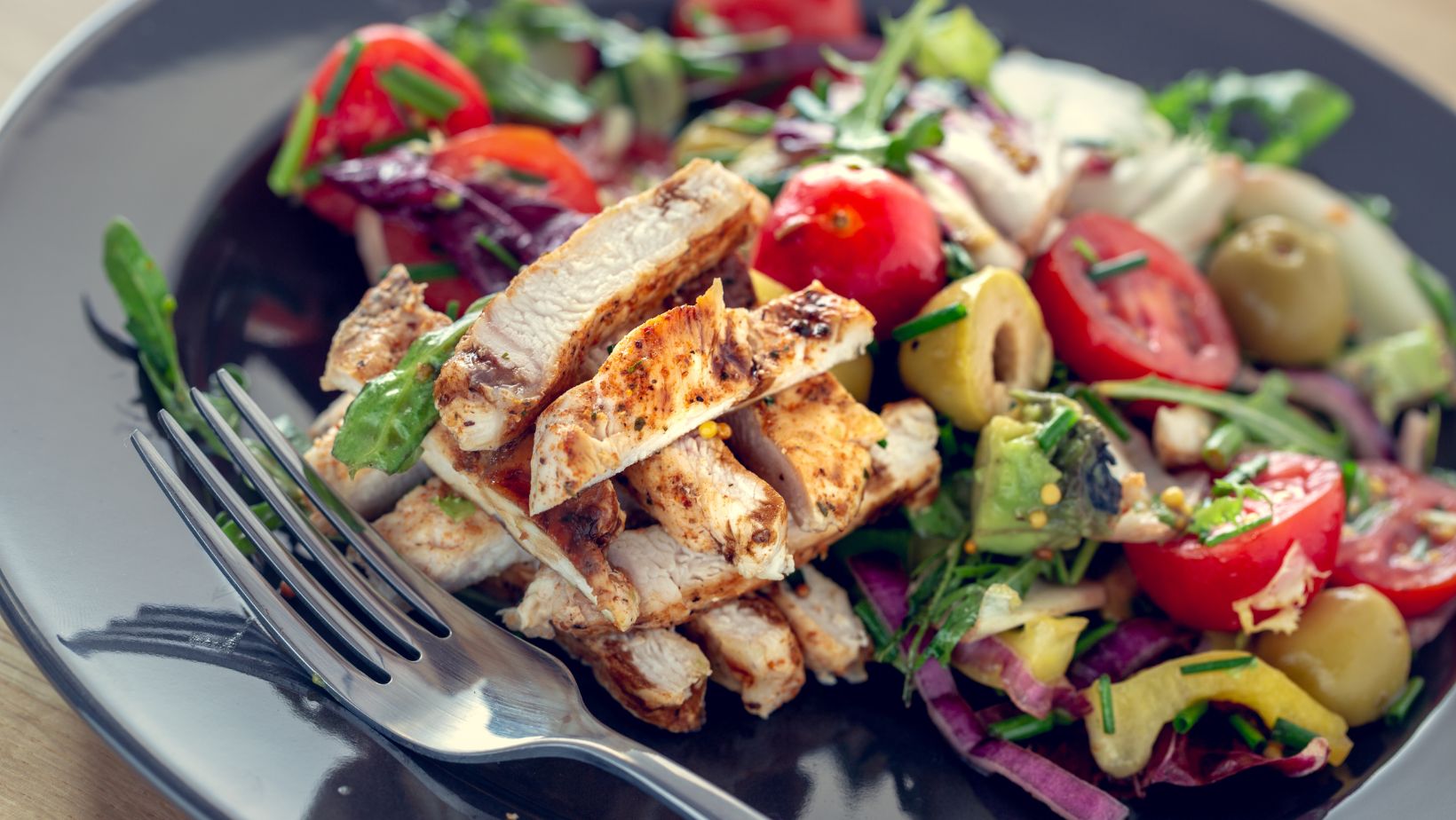
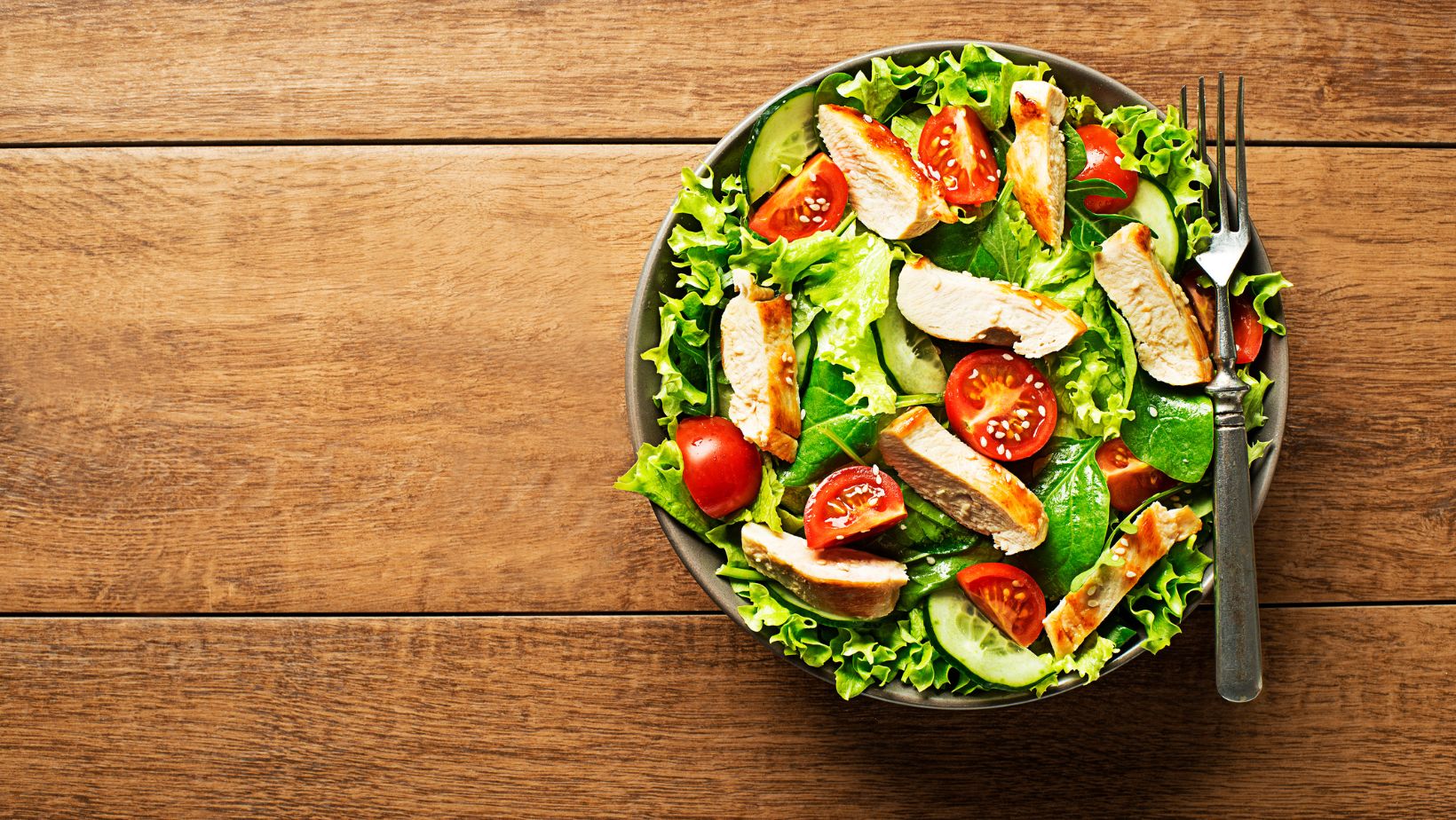
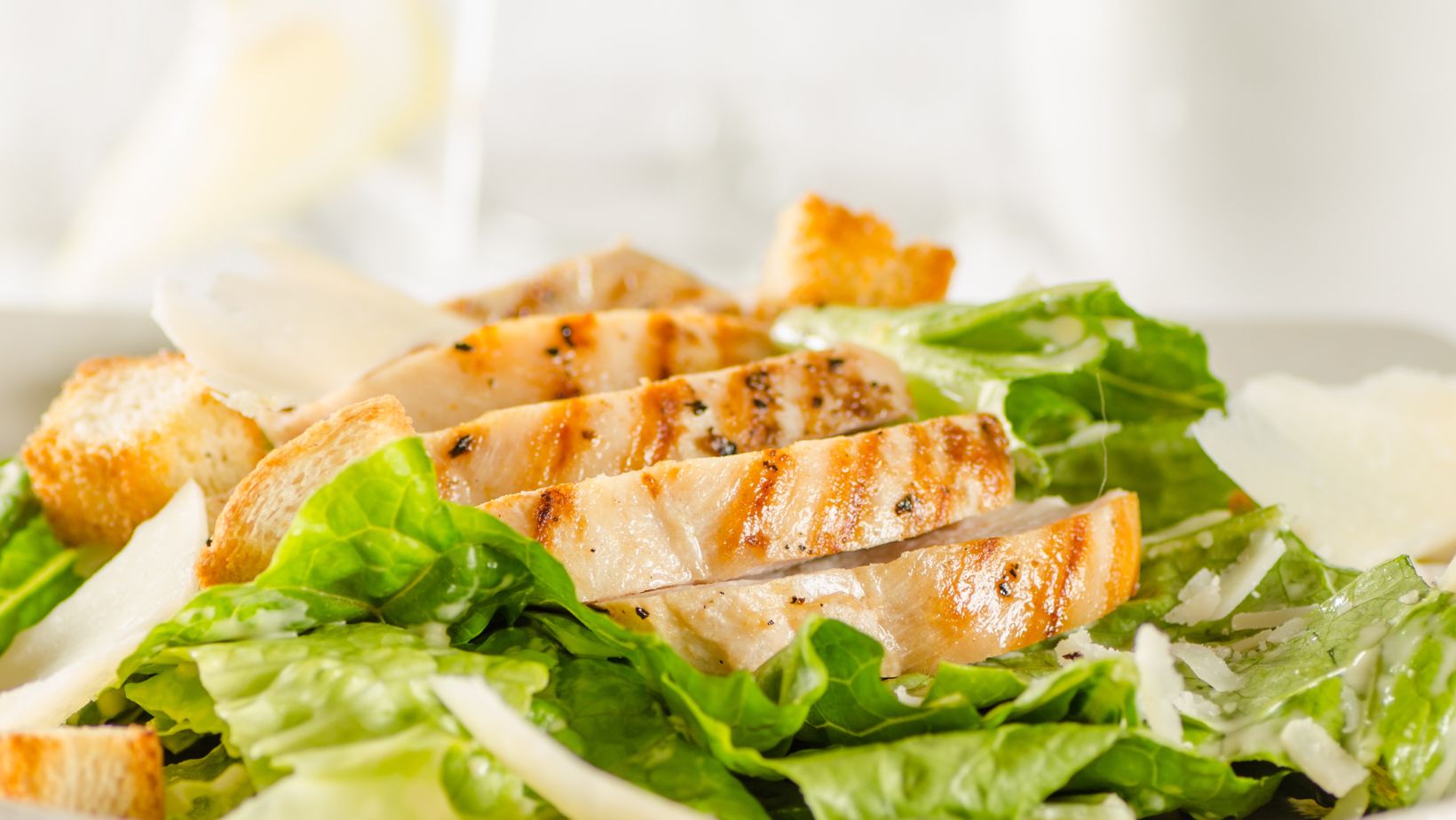
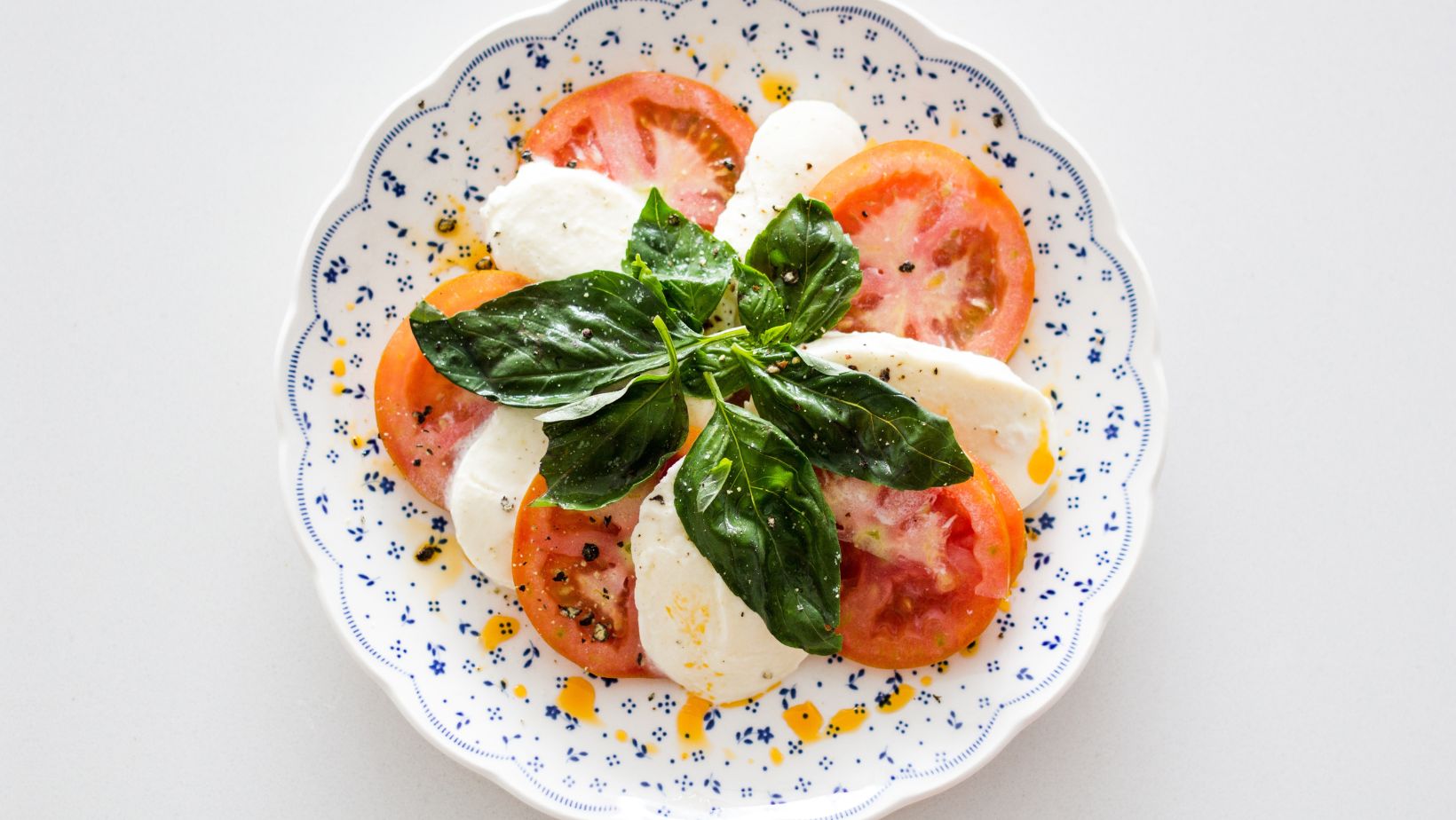
For pregnant women, it’s a struggle to find safe food options. The safety of eating chicken salad during pregnancy depends on preparation and storage. If made with fresh ingredients, it can provide nutrients. However, some foods can pose a risk.
Can I Eat Chicken Salad While Pregnant
Poultry in chicken salad can increase the risk of listeria if not cooked correctly. Salads can contain raw vegetables that may harbour bacteria or chemicals. Ensure chicken is cleaned and cooked before mixing with other ingredients.
Store-bought salads may contain preservatives not ideal for pregnant women. It’s best to make homemade chicken salads from scratch with fresh greens and vegetables, washed without preservatives or added sauces.
Eating for two doesn’t have to mean sacrificing flavour! Get daily protein and vitamins with a delicious chicken salad, perfect for both you and your growing baby!
Nutritional Benefits of Chicken Salad During Pregnancy
To ensure a healthy and balanced diet during pregnancy, you may consider incorporating chicken salad into your meals. With its rich nutritional value, chicken salad provides a protein-rich diet for the mother and the developing foetus. Additionally, it also serves as a rich source of vitamins and minerals like iron and folic acid, both of which are crucial during pregnancy.
Protein-rich Diet for the Mother and the Growing Foetus
Protein intake is vital for mums and unborn babies. It can stop developmental issues, help organs grow, and assist with bones and muscles. Chicken salad offers protein to maintain a healthy body, plus folates, vitamins A and C, to boost baby’s growth. Protein keeps hormones normal. Mums need around 75 grams of protein a day. Eating chicken in salads, not red meat, makes it easy to manage weight gain. Breastfeeding mums need more protein-rich foods.
Chicken salads are great for pregnant mums, just be careful while preparing them – poor food handling can lead to foodborne illness. A close friend used her favourite chicken salad recipe as part of her prenatal nutrition plan. She managed work, plus carrying a baby until birth, by eating it regularly.
Looks like chicken salad while pregnant gives your baby a head start to winning spelling bees!
Rich source of Vitamins and Minerals Like Folic Acid and Iron
Chicken salad is a great source of essential nutrients for pregnant women. Its consumption can give mums and their babies vital vitamins and minerals – like folate and iron.
Folic acid helps develop the neural tube and stops birth defects.
Iron assists foetal growth and prevents maternal anaemia.
Plus, chicken has protein, which builds strong muscles in the foetus and keeps mum’s muscle health up.
On top of that, it’s versatile, easy to make, and can be tailored to individual tastes. It’s also a low-fat option during pregnancy when weight gain should be monitored.
Plus, with over 40% of pregnancies being unplanned each year, it’s important for expecting mums to get enough folate during their reproductive years. So, all women should think of adding chicken salad to their diet during their reproductive years or pregnancy, to make sure they don’t miss out on these critical nutrients.
Eating chicken salad during pregnancy can be risky – but hey, if you’re already craving pickles and ice cream, what’s a bit of salmonella, right?
Risks Associated With Eating Chicken Salad during Pregnancy
To ensure a safe and healthy pregnancy, it’s important to be informed about any potential risks associated with your diet. If you’re wondering about the safety of chicken salad during pregnancy, understanding the dangers of consuming undercooked or contaminated chicken is crucial. Additionally, being aware of the potential risks of listeriosis and cross-contamination associated with chicken salad is essential in making an informed decision about what to eat.
The Dangers of Consuming Undercooked or Contaminated Chicken
For pregnant women, chicken salad can be risky. Undercooked or contaminated chicken can cause food poisoning. Symptoms include vomiting, diarrhoea, abdominal cramps and fever. To prevent this, store chicken salad at the right temperature and make sure it’s cooked through. And don’t forget cross-contamination prevention while prepping. Raw or partially cooked eggs are also a no-no, they may contain Salmonella bacteria.
Remembering these precautions can make a huge difference for the mother and baby. A woman in Florida learned this the hard way. She ate undercooked chicken salad and ended up in the hospital with severe diarrhoea, dehydration and abdominal pain. Her baby had sepsis because of the infection.
So why take the chance? For pregnant women, it’s best to stay away from chicken salad and make sure food is cooked properly.
Listeriosis and Cross-Contamination Risks Associated with Chicken Salad
Pregnant women should not consume chicken salad, as it may cause listeriosis or cross-contamination. This is due to the presence of Listeria monocytogenes bacteria in the raw chicken used to prepare the salad. It could harm both mother and baby. Cross-contamination occurs when uncooked food comes into contact with ready-to-eat foods, such as veggies for salads.
To avoid these risks, it’s best to cook the chicken thoroughly and separate it from other ingredients while making the salad. Pregnant women should also avoid pre-packaged or store-made chicken salads, as they may be contaminated by harmful pathogens. Substituting pasteurised eggs instead of raw eggs for dressing can also help decrease infection risks.
According to the Centers for Disease Control and Prevention (CDC), listeriosis affects an estimated 1600 people each year, resulting in 260 fatalities. Pregnant women are 10 times more susceptible; therefore, precautions must be taken seriously. Skip the chicken salad when expecting, and opt for safer alternatives like pickles and ice cream (not necessarily together)!
Safe Alternatives to Chicken Salad During Pregnancy
To ensure a safe and healthy pregnancy, you may be looking for alternatives to chicken salad. Look no further, as we have two subsections for you to explore. First, we will introduce vegetarian and vegan options like tofu or tempeh salad. Then, we will touch on cooked chicken alternatives, including grilled chicken salad or homemade chicken salad made with cooked chicken.
Vegetarian and Vegan Alternatives Like Tofu or Tempeh Salad
For those looking for meat-free meal choices during pregnancy, there are many options! Substitute the chicken with tofu or tempeh, and season it to taste. Swap out the mayonnaise with vegan-friendly alternatives such as avocado or hummus. Roast sweet potatoes or bell peppers to add extra flavour and nutrition. Or try a fruit salad with berries and nuts. Chickpeas or lentils are also great bases for salads when spiced up with herbs and seasonings.
Plus, to make sure you’re getting enough protein and nutrients, consider adding steamed quinoa, healthy soft cheeses, and leafy greens to your salads – all of which provide highly nutritious minerals like iron, magnesium and folate, plus they cost less than iceberg lettuce! Who needs chicken salad when you can grill up some tasty alternatives and avoid any risk of salmonella roulette during pregnancy?
Cooked Chicken Alternatives like Grilled Chicken Salad or Homemade Chicken Salad with Cooked Chicken
Craving chicken salad but worried about safety? Don’t fret! There are plenty of safe alternatives, such as grilled or homemade chicken salad with cooked chicken. It’s essential to ensure the chicken is cooked to an internal temperature of 165°F. You can also opt for canned chicken with no added preservatives, or turkey breast, which is similar in taste and texture. For a creamy alternative, egg salad is a great option.
Always remember to practise good food hygiene and consume the food within two days of preparation. If you’re looking for something more nutritious, try homemade quinoa and veggie salad mixed with chickpeas or tofu – it’s packed with protein and essential nutrients! One expectant mom shared her love for spinach wraps filled with fresh veggies and hard-boiled eggs, proving that safe alternatives can be delicious too! So, don’t gamble with your cravings – enjoy chicken salad safely with these tips!
Tips For Safely Consuming Chicken Salad During Pregnancy
To safely consume chicken salad during pregnancy with confidence, it’s important to follow a few simple tips. When approaching the subject, consider the following subsections as solutions: always ensure chicken is cooked to a safe temperature, avoid consuming chicken salad from delis or restaurants with poor hygiene, and keep chicken salad refrigerated at a safe temperature.
Always Ensure Chicken is Cooked to a Safe Temperature
Preheat the oven to the right temp for the chicken. Use an instant-read thermometer to make sure it hits 165°F. If heating pre-cooked, refrigerated chicken salad, check it’s at 165°F.
Separate cutting boards, utensils, and containers for raw poultry and ready-to-eat foods. Wash hands with soap and water before handling food.
Consume freshly cooked or refrigerated chicken salad within two days of purchase. Steer clear of sketchy salad sources to prevent food-borne illnesses.
Avoid Consuming Chicken Salad from Delis or Restaurants with Poor Hygiene
Chicken salad is a great meal choice during pregnancy. But, it’s essential to buy from clean, hygienic places. Dirty food practices can lead to contamination and make you sick. Opt for reputable stores with high cleanliness standards.
When selecting a spot for chicken salad, look out for hygiene, fresh ingredients, and stock rotation. Avoid places where the food prep area looks dirty or the ingredients are bad. Ask about food handling procedures, too.
These precautions ensure your chicken salad is both tasty and safe. Don’t take risks – it’s better to be careful! Keep chicken salad chilled – don’t let it become a science experiment!
Keep Chicken Salad Refrigerated at a Safe Temperature
To be safe during pregnancy, it’s essential to keep chicken salad refrigerated. Keep it at a chill below 40°F (4°C) to prevent growth of bacteria, like salmonella and Listeria, which can be dangerous for mom and baby.
Watch the time if it’s left out. Put any leftovers back in the fridge after two hours. When eating outside, make sure to store it in an insulated cooler with enough ice packs.
Vacuum-sealed packaging helps reduce air and moisture, so use it for frozen chicken salad. It’ll help avoid freezer burn and preserve quality.
The CDC reports over 1 million cases of salmonella infection in the US in 2019. Refrigerating your chicken salad properly can help protect you and your baby.
Eat your greens, but don’t forget to chicken out – safely!
Conclusion: Chicken Salad Can be Safely Consumed During Pregnancy by Taking Adequate Precautions
When pregnant, it’s essential to take safety measures when consuming chicken salad. The chicken used must be cooked properly, and the mayo or dressing must be pasteurised. Additionally, avoid raw meat and unpasteurized dairy products.
Adding toppings of fresh fruits and vegetables to your chicken salad provides you with all the nutrients your baby needs for healthy development. Make sure to eat the salad immediately after it’s prepared, as storing it for long periods of time at room temperature can lead to bacterial growth.
Furthermore, the American Pregnancy Association suggests eating 8-12 ounces of cooked fish per week for dietary needs during pregnancy.
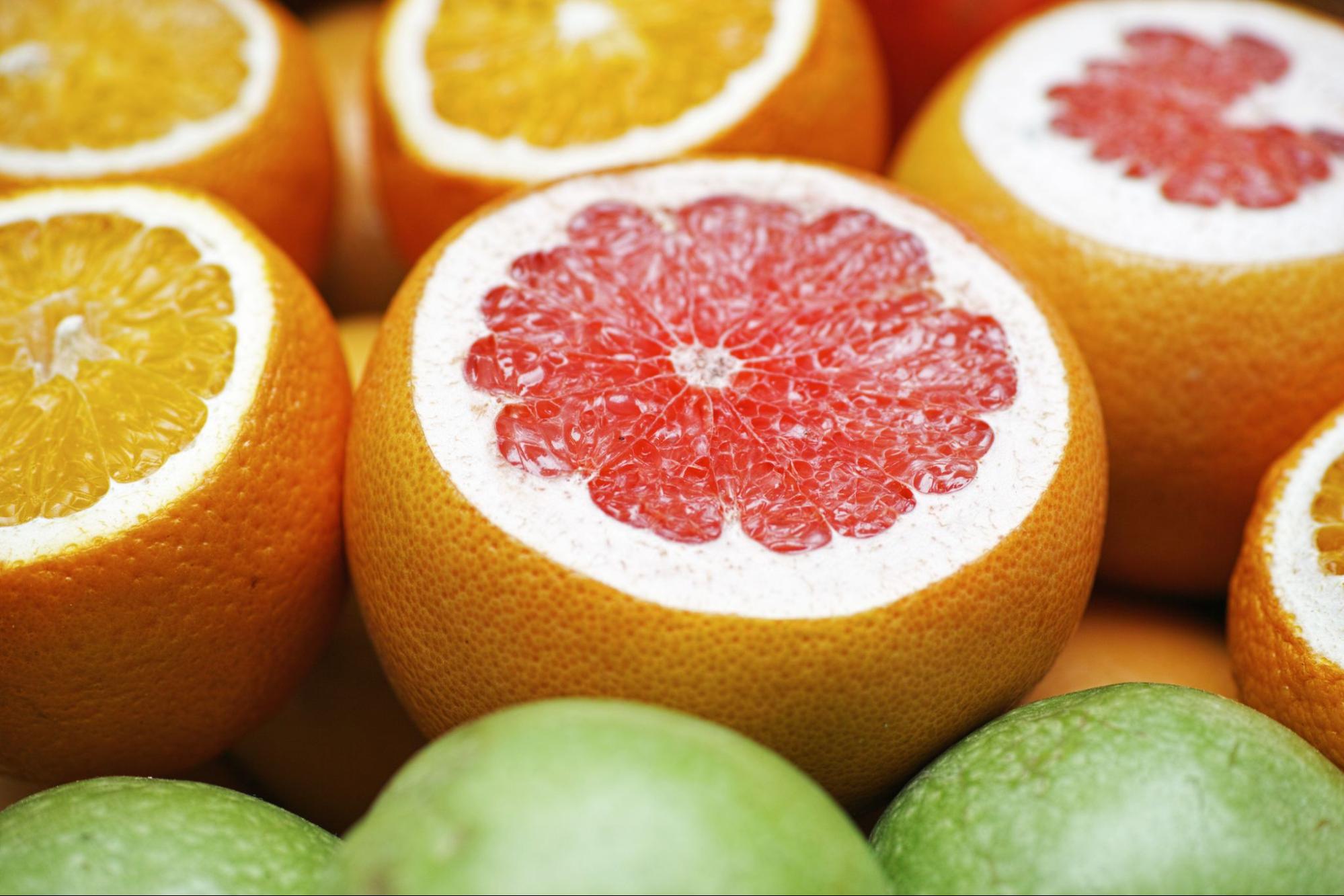
To reap the full potential of grapefruit during pregnancy, consider the benefits of incorporating this citrus fruit into your diet. With its rich nutrient profile, grapefruit can help you maintain a healthy weight, boost your immunity, and prevent dehydration. Learn how grapefruit is an excellent solution for expectant mothers with its multiple health benefits.
Is Grapefruit Good For Pregnancy
Grapefruit, a nourishing fruit that is widely consumed worldwide, rich in vital nutrients that can benefit pregnant women. Regular intake of this fruit during pregnancy provides numerous health benefits such as improving digestion and reducing the risk of infections caused by bacteria or viruses. Grapefruit is enriched with folate and vitamin C, which help prevent congenital disabilities in babies born to women who consume it during pregnancy.
Furthermore, grapefruit is a great source of potassium, an essential nutrient responsible for regulating blood pressure levels and maintaining healthy heart functioning. Potassium also helps reduce leg cramps and other muscle-related discomforts that many women experience during pregnancy. Additionally, grapefruit contains dietary fiber which aids digestion and reduces the risk of constipation.
Pregnant women should note that while consuming grapefruit has several benefits significant to their health, excessive intake can be harmful. It is advisable to consult with a medical expert before adding it to your daily diet. Pregnant mothers are recommended to include half or one full serving of grapefruit alongside other fruits ensuring a balanced diet.
Incorporating grapefruit into your daily routine during pregnancy can help improve overall health significantly. Consume this vitamin-packed fruit by blending it into smoothies, salads or enjoy it on its own as a snack!
Eating grapefruit during pregnancy not only helps control weight gain but also doubles as a tasty alternative to pickles and ice cream cravings.
Helps in Controlling Weight Gain During Pregnancy
Grapefruit consumption is beneficial for regulating healthy weight during pregnancy. Here are five points that elaborate on the advantages of grapefruit to control weight gain –
Grapefruit is low in calories, high in fiber and water content which make it a filling snack. This prevents pregnant women from overeating and gaining excessive weight.
The phytochemicals present in grapefruit activate enzymes that help break down fat cells and regulate blood sugar levels.
The Vitamin C content in grapefruit helps metabolize fat faster. This reduces the chances of developing gestational diabetes as well as reducing the risk of preeclampsia.
Consumption of grapefruit juice can reduce insulin resistance and hyperlipidemia; both can lead to obesity during pregnancy.
The natural diuretic properties of grapefruit promote water retention and prevent the accumulation of excess fluids leading to edema issues.
Pregnant women should avoid consuming commercially canned grapefruit products due to added chemicals and preservatives, which can be harmful to the mother and baby.
To incorporate this citrus fruit into daily meals, one can slice up grapefruits and add them to salads or consume them directly. Adding grilled chicken with fresh fruits like halves of grapefruit offer a nutritious meal options pregnant women may enjoy without comprising diet.
Make sure not to consume much grapefruit at one time though, servings should be two times per week limit.
An apple a day keeps the doctor away, but a grapefruit a day keeps the whole hospital at bay.
Boosts Immunity And Prevents Illnesses
Grapefruit is beneficial during pregnancy as it aids in strengthening the immune system by increasing antioxidants and vitamin C levels. This boosts the body’s ability to fight off diseases and infections, thus preventing illnesses. In turn, this promotes healthy growth and development of the fetus. Its anti-inflammatory properties also help to reduce the risk of complications during pregnancy such as high blood pressure.
Additionally, grapefruit contains folic acid which is important for preventing birth defects and ensuring proper brain development of the fetus. It also aids in digestion and regulates blood sugar levels which can be helpful for pregnant women dealing with gestational diabetes.
The benefits of grapefruit during pregnancy have been discovered through scientific research but it has also been used traditionally for its medicinal qualities dating back to ancient times.
Overall, incorporating grapefruit into a well-balanced diet during pregnancy can provide numerous health benefits for both mother and baby.
Pregnant and thirsty? Grapefruit’s got your back, with enough hydration benefits to make even a camel jealous.
Helps Prevent Dehydration
Grapefruit is a potential hydrating source during pregnancy that can help maintain the fluid level of your body, which is essential for the well-being of your baby. This citrus fruit has high water content and contains electrolytes like potassium, which can help in regulating hydration balance.
Additionally, grapefruit has a refreshing and tangy taste that can entice you to drink more fluids, making it an enjoyable option to stay hydrated. Dehydration in pregnant women can lead to complications like preterm labor or a lower volume of amniotic fluid; hence consuming grapefruit can be beneficial.
It’s important to note that grapefruit juice may have interactions with certain medications and might not suit everyone, so consult your doctor before adding it to your diet.
Pro Tip: To maximize the benefits of grapefruit’s hydration properties, consume it in its natural form by slicing it or adding chunks to your salad or smoothie instead of relying on processed juices.
If you thought morning sickness was bad, wait till you see what grapefruit can do.
Risks Associated With Consuming Grapefruit During Pregnancy
To minimize any potential risks associated with consuming grapefruit during pregnancy, it is important to be aware of its potential side effects. In this section, we discuss the possible adverse effects of grapefruit and provide you with the necessary information to make an informed decision. The sub-sections, ‘May lead to heartburn and acid reflux’, ‘May interact with certain medications’ and ‘May cause adverse effects in large quantities’ offer further insight into the potential risks of consuming grapefruit during pregnancy.
May Lead to Heartburn And Acid Reflux
The consumption of grapefruit by pregnant women may lead to gastrointestinal discomfort including heartburn and acid reflux, which can cause a burning sensation and pain in the chest and throat. This occurs due to an increase in stomach acidity caused by the grapefruit’s high acidic content.
Furthermore, the risk of experiencing these symptoms is higher for women who already suffer from GERD or acid-reflux disease. Additionally, regular consumption of grapefruit can affect the absorption rate of certain medications that pregnant women may be taking.
It is important to note that grapefruit also contains high amounts of vitamin C, which is beneficial during pregnancy. However, moderation is key as excessive intake can lead to adverse effects such as increased iron absorption and potential complications with labor.
Pro Tip: Pregnant women should consult their healthcare providers before adding grapefruit to their diet and consume it in moderation.
Looks like grapefruit isn’t just a great source of Vitamin C, it’s also a matchmaker for unexpected drug interactions. Talk about a fruit with benefits!
May Interact With Certain Medications
Grapefruit consumption during pregnancy is associated with potential risks, especially when consumed concurrently with certain medications. Grapefruit contains compounds that inhibit the activity of enzymes in the liver, affecting the metabolism of various drugs. This can lead to an increase in drug concentration in the bloodstream and potentially cause adverse effects on both the mother and fetus.
Drugs commonly affected by grapefruit include statins for lowering cholesterol, immunosuppressants for organ transplantation, and some anti-cancer drugs. For pregnant women taking any medication, it is crucial to consult a healthcare provider before consuming grapefruit or its juice.
In addition to interacting with medications, grapefruits may also pose other potential health risks during pregnancy due to its high acidity levels. They may cause heartburn and exacerbate symptoms of acid reflux or indigestion. Therefore, it is essential to consume moderately and avoid excessive consumption.
A mother shared her experience of consuming large quantities of grapefruit juice during pregnancy. She experienced severe stomach cramps and was hospitalized for dehydration due to excessive diarrhea caused by consuming too much acidic fruit juice. The doctors informed her that excessive consumption resulted in an imbalanced pH level in her gut leading to bacterial infections that can be life-threatening if not managed promptly.
Looks like expecting mothers need to reconsider their love for grapefruit, because too much of it may result in some sour consequences.
May Cause Adverse Effects in Large Quantities
Consuming high quantities of grapefruit during pregnancy may result in several adverse effects on the health of both the mother and baby. Grapefruit contains compounds that can alter enzyme activity, leading to potential drug interactions and reducing the effectiveness of certain medications. In addition, excessive amounts of grapefruit can cause dehydration, heartburn, and gastrointestinal issues.
It is recommended that pregnant women consume grapefruit in moderation and avoid consuming large quantities. While grapefruit has several benefits such as being rich in vitamin C, potassium, and fiber, overconsumption can pose a risk to both the mother and child’s health.
Pro Tip: It is always best to consult with a healthcare professional before adding any new foods or supplements to your diet during pregnancy.
Pregnant and craving grapefruit? Here’s how to enjoy it without risking a sour outcome.
Ways to Safely Consume Grapefruit During Pregnancy
To safely consume grapefruit during pregnancy, learn how to balance the potential benefits with the risks. Consult with a healthcare provider before consuming. Consume in moderation and choose fresh grapefruit over processed grapefruit products. Additionally, pair your grapefruit with other nutrient-rich foods in your diet.
Consult With a Healthcare Provider Before Consuming
Pregnant women should seek medical advice before consuming grapefruit to ensure it is safe for their individual needs. Consulting a healthcare provider is crucial in understanding the potential risks and benefits of consuming grapefruit while pregnant. It can also help identify any existing medical conditions or medications that may interact with grapefruit.
During pregnancy, consumption of grapefruit juice can provide essential vitamins and nutrients for both the mother and developing fetus. Grapefruit, rich in vitamin C, folate, and potassium, can support healthy fetal growth and development. However, some studies suggest that consuming large amounts of grapefruit during pregnancy may increase the risk of preterm labor due to its effect on the liver enzymes responsible for medication metabolism.
It is important to note that individual responses to grapefruit consumption may vary. Thus pregnant women should consult with healthcare providers before incorporating grapefruit into their diet plans, as it may not be suitable for everyone.
A famous instance involves the case of an expectant woman taking medication to lower blood pressure. She consumed grapefruit without seeking medical advice which led to a severe reaction with her medication causing low blood pressure which resulted in hospitalization. The incident emphasizes how necessary it is for all pregnant women to exercise caution when considering adding something new to their diets during pregnancy, such as grapefruit.
Remember, just because the baby is small, doesn’t mean the grapefruit should be big.
Consume in Moderation
When it comes to consuming grapefruit during pregnancy, it is important to keep moderation in mind. Stay mindful of the amount you intake. This is essential because excessive consumption can cause harm to both mother and fetus.
Moderate consumption of grapefruit provides essential vitamins and minerals that are crucial for pregnant women. Additionally, the fruit contains antioxidants that promote good health by reducing inflammation. However, it’s important not to exceed the recommended limit as grapefruits have high levels of enzymes that break down medication and make them ineffective.
Grapefruits also contain a high amount of fiber which aids in digestion, making it an excellent option for pregnant women who may experience constipation and other related issues.
Always be aware of how much grapefruit you’re consuming to avoid any complications during pregnancy. Enjoying this delicious fruit in a safe, moderate manner can provide various benefits that support overall health.
Don’t miss out on this nutritious fruit—just remember moderation is key during pregnancy.
Don’t settle for a grapefruit impersonator in a can, go for the real deal and let your pregnant cravings be satisfied.
Choose Fresh Grapefruit Over Processed Grapefruit products
Choosing fresh grapefruit as opposed to processed grapefruit products is a safe way to consume grapefruit during pregnancy.
Opt for freshly squeezed grapefruit juice instead of the packaged or canned variety.
Avoid grapefruit-flavored sugary drinks as they may have added preservatives and artificial flavors.
Pick fresh grapefruits over dried ones as the latter tends to lose some of their nutrients during processing.
Furthermore, consuming excessive amounts of grapefruit may not be recommended as it can interact with certain medications. Therefore, it’s important to consult your healthcare provider before incorporating grapefruit into your diet during pregnancy.
Don’t miss out on the benefits of consuming fresh grapefruit during pregnancy. By making simple swaps, such as choosing freshly squeezed juice and picking fresh fruit over dried ones, you can safely include grapefruit in your diet and enjoy its many health benefits.
Eating grapefruit and broccoli together is like getting a hug from your immune system.
Pair With Other Nutrient-Rich Foods For a Balanced iet
Pairing grapefruit with other nutrient-dense foods can help maintain a balanced and healthy diet during pregnancy. Here are some suggestions:
Combine grapefruit with leafy greens like spinach or kale to increase iron levels.
Mix grapefruit with avocado to boost potassium, healthy fats, and fiber intake.
Enjoy grapefruit with Greek yogurt for the added benefits of calcium, protein and probiotics.
Incorporate grapefruit into salads alongside other fruits like berries and oranges for a variety of vitamins and minerals.
In addition to these options, it is important to note that consuming only grapefruit for prolonged periods may lead to mineral deficiencies. Therefore, it is essential to diversify meals by incorporating other nutritious foods.
To ensure optimal health during pregnancy, always consult your healthcare provider before making any significant changes to your diet.
Don’t miss out on the opportunity to benefit from the nutritious value of grapefruit. Mix it up with these suggested food pairings for a more varied palette of flavors and nutrients in your diet. Your body will thank you!
Pregnancy cravings can be tough to resist, but consulting with a healthcare provider before diving into a grapefruit binge is a smarter move than relying on your own fruit intuition.
To learn about the nutritional facts of Schweddy Balls Ice Cream, and make an informed decision about its consumption, check out this section on Nutritional Information. In this section, we will look at the number of calories, fat, carbohydrates and protein present in every serving of this ice cream.
Calories
Energy is the measure of how much energy we get from food or drink. This number tells us how much energy we get in one serving size. It can vary depending on what we consume. So, it’s important to keep track of our calorie intake, to stay healthy and reach our goals.
If we want to lose weight or stay fit, keeping an eye on calories is important. We should make sure that each food group – carbs, protein and fat – has its daily recommended percentage. Checking nutrition labels or calculating calories manually can help us keep track. Remember, the allowed number is different for everyone, and depends on height, weight, age and activity levels.
In conclusion: Paying attention to calories is critical for weight management and general wellbeing. For successful health goals, it’s essential to focus on the right balance of calories from different food groups, not just counting them.
Fat
Lipids are essential for the nutrients in food. They are vital for cell function and energy processes. Eating the right amount of fat is good for growth, development and health. But too much can cause obesity, heart disease and cancer.
Saturated fats, found in animal products, raise bad cholesterol. Monounsaturated and polyunsaturated fats are better. They reduce bad cholesterol and help the heart.
We should not get more than 20-35% of our daily calories from fats. Eating the right fats in moderation can aid brain function and skin health. Too many fatty foods or diets high in saturated fats can damage our long-term health.
Carbohydrates
Carbs are key for the human body! They give us energy. Eating a good amount of them helps us stay healthy and not get overweight.
Complex carbs, like those in whole grains and veggies, give us energy that lasts. Simple carbs, like those in sugary stuff and refined grains, increase our blood sugar levels. Too much of these can lead to serious health issues like obesity and diabetes type 2.
Protein
Protein is found in plant-based and animal-based sources. Good sources of protein include lean meat, fish, dairy, beans, lentils, nuts and seeds. Plent-based sources may have fewer of certain amino acids. Combining different plant-based sources can provide the essential amino acids the body needs.
It’s smart to eat many types of protein throughout the day to meet your needs. The amount of protein you need depends on your age, gender and physical activity level. As a guide, adults should have 0.8 grams of protein each kilogram of their body weight each day.
Too much protein over long periods of time can be bad for your health. So, don’t go overboard.
Ingredients
To understand the ingredients of Schweddy Balls ice cream and buy them, explore the dairy products, sweeteners, eggs, nuts, and chocolate used in its making. Each of these sub-sections plays a role in creating the unique and delicious flavor of this ice cream.
Dairy Products
Dairy ingredients come from animal milk and are important in the food industry. They enhance taste, texture, and nutrition. Milk is often used as a base for other ingredients like cheese and cream. Cheese is coagulated and separated before slicing or shredding. Yogurt is created from fermentation with bacteria and has protein, calcium, and probiotics that can help immunity. Butter is rich in fat and commonly cooked or spread on toast.
The dairy industry improves sustainability and nutrition. Vegan cheese, almond milk, and soy milk are becoming popular for dietary restrictions. Dairy ingredients have been a part of our diets since ancient times. Lactose-free options are available for people with digestive issues.
Sweeteners
Sugar Substitutes – five points to know!
Sugar substitutes, also known as sweeteners, can make food sweeter and still keep the calories low. Here are five key points to note:
Artificial sweeteners, such as aspartame and saccharin, are made in a lab. They taste sweet but have no calories.
Natural sweeteners come from plants. For example, stevia and monk fruit extract, provide a low-calorie option.
Sugar alcohols, like xylitol and erythritol, have fewer calories than sugar. They are often in sugar-free candies and gums.
High-fructose corn syrup is found in processed foods. It has been linked to obesity and other health problems.
Honey is a natural sweetener that is healthier than sugar. It is also a good source of antioxidants.
It’s important to remember that too much sweetener, any kind, can be bad for your health. Knowing about the types of sugar substitutes can help you make the right choices for your health.
Eggs
Eggs are more than just nutrition! They contain all the needed amino acids for muscle-building. Eating one a day? That may reduce the risk of heart disease. Yolk color can depend on the hen’s diet; corn-fed hens usually have darker yolks. Need to know if it’s fresh? Try the “float test”! If it floats in water, it’s not fresh. Want a low-calorie meal? Scramble egg whites with veggies.
Plus, eggs have lots of cultural significance. Easter and Chinese Mooncakes use eggs to represent new beginnings and fertility. So, when eating omelets or quiche, remember that you’re enjoying a part of history too!
Nuts and Chocolate
Nuts and Cocoa Richness!
The classic combo of nuts and chocolate has a yummy taste. Here’s six reasons why they go together:
Almonds or peanuts covered in chocolate add a crunchy texture to treats.
Macadamia nuts and dark chocolate make a buttery flavor.
Hazelnut paste and milk chocolate make a delicious nutty taste.
Cocoa is full of minerals. Walnuts are full of Omega-3 fatty acids. Together, it makes a healthy snack.
Pistachios give baked goods color and creaminess. When melted in chocolate, they make delicious desserts.
Combine dried cranberries or cherries with bittersweet chocolate for a tangy, sour, rich flavor!
Knowing the flavor of each nut is important when mixing with cocoa. It adds complexity and new flavors.
Where Can You Buy Schweddy Balls Ice Cream
To find Schweddy Balls Ice Cream, which is a delicious dessert with a unique flavor, you have to know where to look. In order to help you locate this ice cream, we have provided three sub-sections: online retailers, local grocery stores, and Ben & Jerry’s stores.
Online Retailers
Want Schweddy Balls ice cream? We’ve got you covered! Here’s a list of merchants that stock it:
Amazon Fresh – Prime members get free shipping!
Schwans – Get it delivered right to your doorstep.
Instacart – Same-day delivery from nearby grocery stores, such as Publix and Kroger.
Availability varies by location, so keep an eye out for sales. Enjoy the deliciousness of Schweddy Balls ice cream!
Local Grocery Stores
Want to know where to buy Schweddy Balls Ice Cream? Check out these stores!
Big grocery chains like Walmart, Target, and Kroger.
Whole Foods and Trader Joe’s.
Local creameries and ice cream shops.
Online stores like Goldbelly for home delivery.
You could also try convenience stores or specialty food markets. Availability may vary, so call ahead or check the website before visiting.
Happy Hunting!
Ben & Jerry’s Stores
Ben & Jerry’s stores are amazing for getting Schweddy Balls ice cream flavors. They provide lots of Ben & Jerry’s products, like merch and catering. You can also get special cakes. These stores are in many places. You can even shop online in some spots. Plus, there are seasonal and exclusive flavors like Vermonty Python and Chubby Hubby.
The stores are designed to give customers a great tasting experience. They have fun stuff like board games and quizzes. You can enjoy tasty treats without sacrificing quality.
Schweddy Balls in Popular Culture
To explore the cultural significance of Schweddy Balls ice cream, delve into the section ‘Schweddy Balls in Popular Culture.’ Discover the history behind the iconic flavor and relevant pop culture references. Where can you buy Schweddy Balls ice cream? Find out as you explore these intriguing sub-sections.
History of the Ice Cream Flavor
The notorious ‘Schweddy Balls’ ice cream flavor has intrigued many. Ben & Jerry’s released it in 2011. It gained attention for its unusual name and risqué packaging.
Schweddy Balls is part of Ben & Jerry’s limited edition holiday flavors collection. Other flavors include “Netflix and Chill” and “Chip Happens”.
This flavor was inspired by an old Saturday Night Live skit featuring Alec Baldwin. It’s a mixture of malt ice cream, rum balls, and milk chocolate chunks. Critics had mixed views on Schweddy Balls. Some praised its humor and creativity. Others criticized its suggestive nature.
Regardless, it has become a classic in American pop culture.
Pop Culture References
Schweddy Balls have become a mega-hit in pop culture. They’ve made appearances in things like TV shows, movies, Halloween costumes, and even ice cream!
Saturday Night Live gave them a skit, and Sandra Bullock and Ryan Reynolds joked about them in ‘The Proposal’. Plus, Ben and Jerry’s created a limited edition flavor in its honor.
Alec Baldwin, creator of the sketch, was amazed at the global response. He never dreamed Schweddy Balls would become as popular as they did!
Conclusion
Ben & Jerry’s Schweddy Balls ice cream is a one-of-a-kind flavor. It’s inspired by the popular SNL skit and contains vanilla, fudge-covered rum and malt balls. You can find it in certain grocery stores and Ben & Jerry’s scoop shops across the US.
Per serving, it has 260 calories, 14g fat, 30g carbs, and 24g sugar. It also includes milk, eggs, soy, wheat, and tree nuts.
Schweddy Balls ice cream is popular for its funny name. Although it’s high in calories and sugar, it can make a fun, indulgent treat for those who get the humor.
If you’re looking to try something different or add some comedy to your dessert, check out Schweddy Balls ice cream. Look for it at your local grocery store or Ben & Jerry’s scoop shop.
To make your ice cream balls even more delicious, this section on ice cream ball toppings with fruits and berries, nuts and candies, and sauce and syrup as your solution is a must-read! You’ll get a taste of the sweet and tangy flavors of different fruits and berries, the crunch and richness of nuts and candies, and the smooth and sweet textures of different sauce and syrup options. So, get ready to explore a world of delightful combinations for your ice cream balls!
Fruits and Berries
Fruits and berries are perfect for topping your ice cream! They add yummy flavor plus they’re a healthier option than other toppings. Here are some ideas: sliced strawberries, diced kiwi, blueberries, raspberries, mango chunks, and pineapple tidbits.
Try grilling up some peaches or apricots for a special touch. The caramelized flavor is a great addition to the sweetness of the ice cream.
The fruit and berry topping choices are limitless! Get creative and enjoy a tasty and healthy dessert.
Nuts and Candies
Make Your Ice Cream Balls Unique!
Nuts and candies are popular toppings for ice cream balls. But why not try something different? Here are a few options for you to explore:
Crushed walnuts:
Sprinkle some crushed walnuts onto your ice cream ball. Enjoy the blend of creamy and nutty flavors in every spoonful. Walnuts also have health benefits.
Miniature marshmallows:
Put on some miniature marshmallows for a fun surprise. They’ll melt on contact!
Dried fruits:
If you’re looking for a tart twist, try cranberries or chopped apricots.
M&M’s:
Add a handful of M&M’s for color and crunch. Plus, they come in a variety of colors.
There are even more options you can experiment with. From sauces to cookie dough chunks—the possibilities are endless! Customize your frozen masterpiece with your favorite toppings.
Sauce and Syrup
Sauces and syrups are essential to take your ice cream ball to the next level. They add a sweet or savory burst of flavor that complements the creamy goodness.
Try these flavors:
Hot Fudge – classic, rich chocolate
Caramel Sauce – buttery and sweet with a hint of saltiness
Strawberry Syrup – fruity and tangy
Butterscotch Sauce – Smooth caramel-like with hints of brown sugar and vanilla
Raspberry Sauce – tart and slightly sweet
Peanut Butter Sauce – creamy nutty flavor that blends well with chocolate-based ice creams.
Unleash your creativity! Coffee syrup, brownie batter sauce, blackberry compote, hazelnut praline syrup, mint chocolate syrup, or maple bacon syrup are some unique variations. You can also experiment with fruits, spices, nuts, liqueurs or extracts to get your preferred flavor.
Creative sauce combinations will make your bowl stand out. Give it a try!
Ice Cream Ball Flavors
To add a variety of flavors to your ice cream balls, you can try different combinations of toppings and flavors. In this section about ice cream ball flavors, we will help you experiment with your taste buds, with our sub-sections – vanilla and chocolate, fruity flavors, and unique and unusual flavors.
Vanilla and Chocolate
Vanilla- creamy and sweet with natural vanilla extract.
The classic combo of Vanilla and Chocolate – Ice Cream Ball Flavors’ beloved treat!
Fruity Flavors
Our tantalizing fruit flavors will transport your taste buds to paradise!
Mango Sorbet is a sweet and tangy delight crafted with the juiciest mangoes.
Raspberry Sherbet will tantalize you with its tartness and juicy raspberry bits.
Strawberry Ice Cream is a classic favorite, delicately sweet with a hint of creaminess.
Peach Sorbet is like a spoonful of summer, made from fresh peaches.
Grapefruit Sorbet and Tropical Pineapple Ice Cream are more fruity delights to explore.
It’s guilt-free refreshment you won’t want to miss!
Unique and Unusual Flavors
The market is now full of novel and peculiar ice cream ball flavors! These strange tastes have won the hearts of many ice cream fans. Let’s take a look at four extraordinary flavors that have become quite common:
Charcoal Ice Cream Ball – Activated charcoal gives this treat a unique dark tint.
Balsamic Vinegar Ice Cream Ball – Balsamic vinegar and vanilla ice cream make an interesting mix.
Wasabi Ice Cream Ball – A classic dessert with a spicy zing.
Lavender Honey Ice Cream Ball – Sweet and flowery, ideal for those wanting to try something new, but not too daring.
And if you want to explore further, try Carrot Cake and Sweet Corn! These extra flavors make your dessert more exciting.
How to Make Ice Cream Balls
To make perfect ice cream balls, you need the right tools, ingredients, and techniques. Choosing the Right Tools and Equipment, Selecting the Right Ingredients, and Making the Perfect Ice Cream Balls are the three sub-sections that hold the solution. In the upcoming sections, we will discuss them briefly to help you ace the art of making ice cream balls.
Choosing the Right Tools and Equipment
Having the right equipment is key for making perfect ice cream balls.
1.
Get high-quality scoops that make scooping easy.
2.
Use a cold metal bowl or ice cream spade to transfer them to the dish without melting. Wear gloves to stop melted ice cream from sticking to your hands.
Note that the scoop size decides the size of the balls. Buy multiple sizes of scoops if you want diverse shapes. Smaller ones are great for single servings, while larger ones are good for sharing.
A melon baller or cookie scoop will make round balls with no effort. Wash all equipment before each use to prevent bacteria growth or contamination.
Using the right tools and equipment is only part of making beautiful ice cream balls. Keep trying until you get the desired results!
Selecting the Right Ingredients
Creating yum ice cream balls requires the right ingredients. Quality milk and cream? A must! Seasonal fruit adds natural sweetness and variety of flavors. Extracts and spices? Get creative! Good quality sugar helps keep the sweetness level consistent. Keep these factors in mind for delicious ice cream balls.
High-quality ingredients are essential for rich and flavorful ice cream balls. The base ingredient affects the taste so choose wisely. For example, full-fat cream will give an extra creamy richness. Fresh fruit is better than canned or processed for a better depth of flavor.
Organic or natural ingredients are best to avoid artificial flavors and additives. Test different ratios of milkfat and sugar in small batches to find the ideal combination. Then you’ll have homemade ice cream balls everyone will love!
Making the Perfect Ice Cream Balls
For the perfect round ice cream balls, you must use a special technique. It’s not only easy but also gives the same results each time. Follow these steps to effortlessly make them.
Steps for making ice cream balls:
Take an ice cream scoop and put your desired amount of ice cream into a bowl.
Put the bowl in the freezer for 15-20 minutes until the ice cream is firm.
Remove it from the freezer and start shaping into balls with your hands. Be quick so it doesn’t melt.
If it melts or gets soft, put it back in the freezer for a few minutes and repeat step 3.
For added toppings, quickly roll the balls onto your chosen coating before putting them back into the freezer.
Leave them there for at least an hour or overnight before eating.
Now you can create delicious and perfectly shaped homemade ice cream balls. Try out different coatings like nuts or sprinkles. Get creative and serve them in fun shapes – like spheres!
To uncover the reason why it is called fly fishing, learn about the origin of fly fishing. The Beginnings of Fly Fishing and The Earliest Records of Fly Fishing are two sub-sections that you can explore to understand the evolution of this popular recreational activity.
The Beginnings of Fly Fishing
Fly fishing has a rich history that spans several centuries and is believed to have originated in ancient cultures. The method of using a fly to catch fish has evolved and adapted over time, leading to the popular sport we know today.
The first records of fly fishing date back to Rome, where they used artificial flies made from wool or feathers. In England, fly tying advanced during the 18th century, and the first texts explaining the sport were published. Fly fishing gained widespread popularity in Scotland during the 19th century, leading to innovations in rod design and casting techniques.
Intricate patterns and creative colors became prevalent in fly tying and helped make it a popular pastime worldwide. The sport’s evolution led to modern-day fly fishing, with advancements in equipment, tactics for different species, conservation efforts, and more.
If you’re an angler who values tradition and enjoys testing your skills against nature, then learning about the roots of fly fishing is crucial. By exploring its history, we gain insights into its techniques’ foundations while appreciating how anglers’ passion for this sport has stood the test of time. Discovering how it began can help you better prepare for your next angling adventure!
Long before Tinder, fly fishing was the original catch and release.
The Earliest Records of Fly Fishing
Ancient literature shows traces of fly fishing, where Macedonian anglers utilized artificial flies by tying fur and feathers on a hook. This date back to around 200 AD. Further advancement was witnessed during the Roman Empire in the early medieval period when leisure activities were widespread. A treatise by a Roman author, Aelianus, on fly fishing methods in the second century AD was also found.
The History also reveals that Celtic Native Americans used local materials like twigs and horsehair while fishing to catch trout. It has been recorded that these practices were prevalent among Irish people, with records dating back to 16th century Ireland. However, it was in the late 19th century that fly fishing became a popular sport in America.
Fly fishing has its roots attached to different countries worldwide now, including Japan and Australia. Interestingly, a Japanese theologian named Tenkara is known for utilizing a long rod akin to bamboo culms. He practiced this traditional method for fly fishing since the eighth century.
It’s fascinating to know that Fly Fishing started before Christ yet remains as conventional as ever, with fishermen from all over the world embracing its technique.
From primitive spearfishing to fly fishing vests, it’s clear that anglers have always been obsessed with accessorizing their catch.
Why Is It Called Fly Fishing
To understand the evolution of fly fishing, knowing the use of artificial flies and the development of fly lines and reels are crucial. These sub-sections create a comprehensive understanding of why fly fishing got its name. Artificial flies, fly lines, and revolutions have undergone tremendous transformations, making fly fishing the sport we know today.
The Use of Artificial Flies
The development of Artificial Flies has boosted the Fly Fishing industry. These flies are tied to mimic natural insects and improve the success of fly fishing by attracting more fish.
Types of Artificial Flies and Description
Type of Artificial Flies
Description
Dry Flies
Floats on the surface of water mimic adult insects.
Wet Flies
Submerged in water, it mimics larvae and nymphs.
Streamer Flies
Mimics small fish or fry in distress.
Terrestrial Flies
Imitates land-based creatures like grasshoppers and crickets.
Artificial Flies are different types that imitate specific aquatic insects such as midges, mayflies, and caddisflies. Dry flies float on the surface, whereas Wet flies are submerged to replicate larvae or nymphs. Streamer flies to imitate the frantic movement of small fish or fry in distress underwater, whereas terrestrial flies duplicate land-based creatures such as crickets.
It is said that fly fishing with an artificial fly leads to a more fulfilling experience for anglers. The artistry, skill, and technique while tying artificial flies require patience and attention to detail, which makes for an enjoyable experience rather than just catching fish.
According to a source from The American Fly Fishing Trade Association (AFFTA), “Fly Fishing drives over $1 billion annually towards conservation efforts to keep our waters clean.”
As fly lines became more sophisticated, fishermen realized they no longer had to rely on cursing and flailing for successful casts.
The Development of Fly Lines and Reels
The advancement of Fly Fishing gear has led to the development of various Fly Lines and Reels.
A Table detailing the history of Fly Lines and Reels:
Period
Fly Line Development
Reel Development
15th Century
Lines – Horse hair, Fur, Silk
Reels – Wooden with a single-action movement
19th Century
Cotton braided lines replacing horsehair and silk
Metallic lines were invented in 1848.
Nylon fishing lines developed in the 1930s.
All modern fly lines are based on American Mid-Arbor design, developed in 1951 by Lee Wulff.
Reel designs are now geared towards saltwater use as well as freshwater. In addition, 3-D printing is used for experimentation with reel design and material properties.
Modern Fly Lines and Reels have typically been developed or invented in the last two centuries (19th and 20th).
For instance, while Nylon fishing lines were first developed in the 1930s when the American Mid-Arbor design was created by Lee Wulff in 1951, fly lines became more practical.
The earliest known metal fishing reels came into existence around AD1200 when the Chinese were using them with rods made of bamboo.
Fly fishing has a rich history that dates back to ancient times. It is said that Izaak Walton’s book entitled The Compleat Angler (1653) served as reference material for many generations after its publication.
Fly fishing spread like an epidemic, infecting even those who had sworn they’d never touched a dead animal’s feathered bits.
The Spread of Fly Fishing
To understand the spread of fly fishing, with a focus on why it is called fly fishing, explore its spread through Europe and America. In Europe, it became popular for its challenging techniques and camaraderie, while in America, it played a significant role in developing frontier regions.
Fly Fishing in Europe
With the popularity of Fly Fishing in Europe rising, it has become a beloved pastime for many anglers. Here are six key points on European Fly Fishing:
European rivers, such as the River Spey in Scotland and the Aare and Saane Rivers in Switzerland, attract fly fishers worldwide.
While traditional salmon flies are popular in the UK, Czech nymphing techniques dominate Eastern Europe.
France is known for trout fishing and has adopted fly tying as an art form.
Northern Europe offers excellent sea-run brown trout fishing opportunities and numerous freshwater species.
For fly fishing enthusiasts, Italy boasts world-class destinations such as the Melitta and Soca rivers.
Fly fishing shows throughout Europe allow anglers to learn about new gear and techniques.
In addition, many European countries offer public access to fisheries that provide unique angling experiences without purchasing private permits or paying exorbitant fees. For instance:
The area surrounding Stockholm City offers year-round fly fishing opportunities for Baltic trout with great access points.
A fact: The oldest known reference to fly fishing dates back to 200 AD in Macedonia, where a Roman author mentioned Macedonian fishermen who used artificial flies to fool fish.
Fly fishing in America: where catching a fish is like winning a gold medal at the Olympics, but with a way smaller audience.
Fly Fishing in America
Revelatory Occurrence of Angling with Flies in the US
With its abundant water sources, America’s fishing scene saw a tremendous rise in popularity with the emergence of fly fishing. Originating from Europe, this technique reached US shores and skyrocketed in popularity during the late 19th century. In addition, diverse landscapes created opportunities for different types of fly fishing, ranging from small trout streams to majestic salmon runs.
Fly fishing’s hybridization with American culture and accessibility is attributed to several eminent figures, such as Theodore Gordon and Lee Wulff, who strive towards conservation efforts and innovative lure design. Unfortunately, experimenting with new variations led to more custom-tied flies and competition between rival companies.
The Green River is among the best places for fly-fishing in the country, featuring brown trout amidst a picturesque landscape. The legendary Henry’s Fork River also serves as a popular destination – teeming with elusive Rainbow Trout – drawing enthusiasts nationwide.
A prime example of the unprecedented success of fly fishing is Montana’s Big Hole River. Its remoteness affords adventurers ample space to explore untouched waters while nestled amidst breathtaking vistas encompassing over two hundred miles.
Ultimately, fly fishing today remains ingrained within modern culture, catering not only to recreation but also boasting numerous economic benefits through ecotourism and conservation tourism activities throughout the US.
Why is it called fly fishing? Because ‘annoying tiny insects’ just didn’t have the same ring.
Why is it Called Fly Fishing?
To understand why anglers refer to the sport as fly fishing, you’ll need to examine the origin of the term “fly” and the development of fly tying. These sub-sections explain the word “fly” and how it came to be used in connection with fishing. You’ll also get to explore how anglers began crafting their fly lures and the impact this had on the sport.
The Origin of the Term “Fly”
Fly fishing received its name because it involves using artificial flies as bait. These flies mimic natural insects that fish prey upon and are made from feathers, furs, and other materials tied together to create a lifelike fly.
Fishing with flies dates back to ancient times, with evidence in Greek and Roman literature. However, the modern fly fishing technique became popular in England during the 19th century. The first known book on the subject was published in 1496 by Dame Juliana Berners.
One unique aspect of fly fishing is that it relies heavily on skill rather than luck or brute force. Anglers must learn how to accurately cast their line and present their fly to the fish in a way that entices them to strike.
Take advantage of this rewarding and challenging form of angling. Give fly fishing a try and discover a new passion for the outdoors!
Fly tying: where dressing up a hook is more important than dressing up for a date.
The Development of Fly Tying
Professional fishermen’s quest for better ways to catch fish led to ‘Fly Fishing Tackle Development.’ It enabled them to cast their lines further into the waters, reaching areas where fish could be found. As such, fly tying developed parallelly with it.
The History of Fly Tying
Year
Activity
200 AD
The first records of fly-tying originate from Macedonia
1496
The publication of ‘Treatise on Fishing with an Angle by Dame Juliana Berners was the first book to distinguish between wet and dry flies
1662
Development of Hobson’s Apprentice, a device that mechanized the winding of silk thread onto hooks
1770s
Wire-wrapped hooks begin manufacturing
The process started in Macedonia as early as 200 AD and continues even today. Fly fishing involved much simpler tackle than modern-day equipment in the early days. Tyers created a minnow-like bait pattern using furs and feathers covering an iron hook called the “artificial fly.” Plumes from exotic birds like peacocks were used—ostrich feathers making up the wings for larger patterns.
Pro Tip: When choosing materials for your flies or tying them in hand, ensure they provide quality underwater movement.
From dry fly to nymphing, these styles and techniques will have you hooked like a trout on a line.
Popular Styles and Techniques
To master the art of fly fishing, you need to know the popular styles and techniques. In addition, you must learn about the different approaches used to understand why it’s called fly fishing. Dry fly fishing, wet fly fishing, and nymph fishing are some styles you can explore to become a skilled angler.
Dry Fly Fishing
For those looking for an angling technique that requires patience and precision, there’s a popular style that involves fly fishing without submerged bait. Instead, anglers use artificial or dry flies to lure fish to the surface. By appearing like insects skittering across the water, these lightweight lures can create an enticing visual display that prompts fish to leap out of the water to grab them.
Dry fly fishing experts recommend carefully examining the body of water before choosing a spot, observing nearby insect hatches, and selecting their dry fly accordingly. Timing is also critical: it’s best to fish in the early morning or late afternoon when insects are most active. And stealthy movements and delicate casts are key skills – anything too abrupt or noisy could spook fish and ruin chances for a catch.
One special technique used in dry fly fishing is “slack line casting.” This means deliberately adding slack in the line between the rod tip and lure when casting into currents or rough waters. The lack of tension makes for a more natural presentation on top of the water and gives extra time for fish to bite before feeling any resistance from hooks.
Consider using lighter-weight gear if you’re just starting with this technique; consistently practicing casting techniques will help refine your skills. With enough experience and dedication, dry fly fishing can be an exciting and rewarding challenge that provides unique opportunities to experience nature’s beauty up close.
The fish are the only ones who get a truly immersive experience for wet fly fishing.
Wet Fly Fishing
Using the subcategory of fly fishing that involves wet flies, anglers can successfully catch various fish species in different water environments. Here’s a 6-step guide to damp fly fishing:
Determine the Target Species and Location
Choose the Right Wet Flies
Set up Your Gear with Appropriate Tackle
Cast Your Line Appropriately
Retrieve Your Flies Properly
Pay Attention to Strikes
Furthermore, consider varying your retrieve speed and patterns for better success and experiment with different depths or fishing with multiple flies at once.
Pro Tip: Keep your line tight throughout the process to accurately detect strikes, leading to more successful catches.
Nymph fishing: for those who prefer their bait to be bug-sized and their patience to be Herculean.
Nymph Fishing
When it comes to fly fishing, catching trout can be challenging. However, one of the most effective methods is using artificial flies that mimic nymphs underwater – a technique known as “Subsurface Insect Imitation.” To increase your chances of success with nymph fishing, follow these six steps:
Choose the right nymph pattern for the conditions
Attach the nymph to your leader using a knotless tapered leader or a specialized nymphing setup
Cast upstream and allow the nymph to drift naturally downstream, keeping your line tight and watching for any movement or changes in tension
Maintain control and contact with the nymph by mending your line and adjusting its path to keep up with the current flow.
Use subtle rod movements to add lifelike motion to the fly based on how you read the water.
Be patient and persistent – it may take time for a fish to become interested in your offering.
It’s worth noting that while nymphing is often associated with subsurface fly patterns, you can sometimes also use dry flies as indicators above them. While numerous variations of this technique are available, it is unique among other forms of fly-fishing. Its focus on insect imitations creates a more natural presentation attractive to fish. This technique allows anglers to masquerade bait without overbeating or relying on luck. Throughout history, fishermen have experimented with various methods of presenting flies underwater. One of the earliest accounts of using artificial insects dates back thousands of years in Ancient Macedonia. It has certainly come a long way since then! You can catch more flies with honey, but why not try fly fishing instead?
Fly Fishing Today
To understand the modern-day significance of fly fishing, delve into the ‘Fly Fishing Today’ section with its sub-sections ‘Conservation Efforts in Fly Fishing’ and ‘The Role of Fly Fishing in Tourism.’ These sub-sections reflect on the current emphasis on protecting the environment while enjoying this outdoor activity and how it contributes to tourism.
Conservation Efforts in Fly Fishing
Fly anglers have been taking initiatives to protect and preserve the delicate ecosystems they fish. By participating in river and stream clean-up initiatives and promoting catch-and-release practices, fly fishing enthusiasts strive towards sustainability and preserving natural resources. They also educate novice anglers about proper conservation methods, such as avoiding wading through spawning beds or fishing during sensitive fish migration periods.
Moreover, fly fishermen advocate for responsible land use policies that safeguard habitats, species, and water quality. They encourage restoring stream banks, controlling erosion, maintaining riparian vegetation, and introducing nontoxic fishing equipment for the health of aquatic organisms.
In addition to their sweeping efforts towards environmental protection, fly fishing organizations are active in habitat restoration projects that benefit wildlife and anglers through long-term benefits such as improved fish population size. For example, Trout Unlimited’s Embrace-A-Stream program has funded over 1,200 projects across 44 states.
Trout Unlimited’s 2019 annual report states, “Over the last seven years, TU [Trout Unlimited] members invested more than $20 million into on-the-ground trout restoration work.” These conservation efforts benefit trout populations and provide recreational opportunities for generations to come.
Fly fishing brings tourists like bait to a hook, but instead of catching fish, they capture memories and Instagram-worthy photos.
The Role of Fly Fishing in Tourism
In modern-day tourism, fly fishing has become integral to many travelers’ itineraries. This activity that involves catching fish with artificial flies tied to a line has gained immense popularity globally due to its recreational and aesthetic value. Moreover, the immersive experience that comes with fly fishing aligns with the current trend of travelers seeking unique and authentic experiences.
Fly fishing in tourism allows anglers to explore blue-ribbon streams, crystal-clear lakes, and meandering rivers in scenic territories worldwide. These locations are often rural, providing a peaceful atmosphere to relax and appreciate nature’s beauty while pursuing their passion for angling. Thus, the role of fly fishing in tourism is instrumental in promoting sustainable travel practices while contributing to local economies.
Additionally, fly fishing has historical significance across cultures worldwide. The ancient Greeks and Romans documented the use of flies as bait, indicating the recurrent human pursuit of recreational activities related to nature from antiquity. This timeless pastime can be experienced even today through various means like single-handed casting or spey casting techniques coupled with modern equipment technology advancements.
Overall, fly fishing fosters sustainable ecosystem management while aiding local economies and provides tourists with an enchanting experience rooted in ancient history entrenched within contemporary traveling culture.
Conclusion: The Enduring Legacy of Fly Fishing
The Enduring Legacy of Fly Fishing lies in its simultaneous embrace of tradition and innovation. Generation after generation, anglers have honed their skills in pursuit of the elusive catch. With advancements in technology, fly fishing has become more accessible. But while gear has evolved, techniques remain steeped in tradition. The sport’s timeless appeal owes to the harmony between man and nature it creates.
Fly fishing boasts a rich history dating back to ancient times. In medieval Europe, anglers devised cunning methods for tricking fish with handmade flies. Today, with the support of fly-fishing schools and communities around the globe, the sport continues to flourish. Anglers can experience a deep connection with nature, whether in freshwater or saltwater.
Beyond its intrinsic beauty and meditative qualities, fly fishing contributes greatly to conservation efforts worldwide. By adhering to catch-and-release practices and environmentally sustainable habits, anglers contribute to preserving natural habitats for future generations.
With fly fishing growing in popularity worldwide, there is no better time to experience its unique charm first-hand. Whether you’re a seasoned pro or a newcomer to the sport, immersing yourself in its timeless traditions is an experience unlike any other—an opportunity not to be missed!
Will Ice Cream Taste Good If It Is Formed Into Balls And Frozen
Ice cream has a long and intriguing history where people have been creating variations of the frozen treat for centuries. It is believed that the origins of ice cream can be traced back to ancient China and Persia, where they created desserts made from ice and fruits. In Europe, during the 13th century, Marco Polo brought recipes for ice cream from his travels to China. However, it was not until the 16th century that Italy began to produce what we know today as ice cream. They added milk or cream which resulted in a smoother texture and an even more delicious taste.
The popularity of ice cream continued to grow, and in the 18th century, people found ways to mass-produce it using ice houses and salt. The first ice cream parlor opened in New York City in 1776, and by the turn of the 20th century, many others had followed suit.
As for whether or not ice cream tastes good in ball form when frozen, it all depends on personal preference. Ice cream can be molded into balls easily using scoops or other tools, but some people prefer their ice cream softer while others enjoy it harder. The freezing process can also affect the texture and flavor of ice cream balls.
If only they knew the true potential of frozen balls of cream, the Europeans would have skipped the Crusades and gone straight for the frozen treat trade.
Ice Cream: Its Introduction to Europe
The arrival of the frozen treat in Europe has a curious history. While its origins remain shrouded in mystery, it is believed that Marco Polo was responsible for bringing the recipe to Italy during his travels in the thirteenth century. It was then refined and popularized by Catherine de’ Medici, who introduced it at her lavish feasts. The dish quickly spread among European royalty, eventually becoming more accessible to the common people with the establishment of ice cream parlors.
Interestingly, despite its Italian origins, ice cream as we know it today is actually an American creation. A number of Americans patented various machines for making ice cream, and by 1851, there were more than 50 ice cream manufacturers in New York City alone. The first public sale of ice cream in America reportedly took place in Baltimore on May 25th, 1744.
While an age-old favorite now enjoyed worldwide, the humble beginnings of this tasty treat are steeped in obscurity- but without a doubt its introduction to Europe marked a turning point in culinary history.
If eating ice cream out of a tub is too vanilla for you, try the modern innovation of ice cream rolled in edible gold or infused with exotic fruits – because why settle for basic when you can have bougie?
Modern Ice Cream Innovations
To explore modern ice cream innovations with a focus on ice cream balls and freezing techniques, check out this section from “The History of Ice Cream”. Discover the popularity of ice cream balls and learn about how different freezing techniques impact the taste of the frozen dessert.
Ice Cream Balls and Its Popularity
Ice cream balls are a popular new trend in the ice cream world, providing a unique experience to consumers. A variety of flavors and toppings make ice cream balls a fun and customizable option for any occasion.
Ice Cream Balls
Popularity
Flavors
High
Toppings
High
Customizability
High
Availability
Limited
Unique details include the fact that ice cream balls can be served on cones or even sticks, making them perfect for on-the-go treats. They are also great for parties and events, with mini ice cream ball options available as well.
Pro Tip: Try experimenting with different flavor combinations and toppings to create your own unique ice cream ball creation.
Who knew that the key to great ice cream was giving it the cold shoulder?
Freezing Techniques and Its Effects on Taste
Utilizing distinct cooling approaches can significantly impact the flavor and texture of ice cream.
Cooling Appraoch
Effects on Taste
Blast Freezing
Shortens freezing duration, thereby minimizing ice crystal development and enhancing smoothness.
Batch Freezing
Slow, extended freezing process causes more significant crystal development, leading to a denser texture.
Nitrogen-based Freezing
Quickly freezes mixture, aiding in reducing ice crystal size while resulting in a light and airy texture.
It’s crucial to note that utilizing liquid nitrogen to freeze the mix before adding it to a traditional churn method can minimize melting issues while increasing efficiency.
Alternative freezing approaches have been experimented with recently. Regardless of the method used, rapid freezing provides constant quality in home production.
Before its modernization beginning in the mid-19th century, there were no means for mass-producing or keeping ice cream cold outside of winter. Consequently, frozen desserts were often reserved for those who could obtain it naturally by harvesting ice from mountain lakes and rivers during winter months or buying expensive imported blocks from countries such as Norway.
Back in the day, they didn’t need fancy ice cream makers and exotic ingredients, just a bucket and some elbow grease – now excuse me while I go complain about having to wait for my modern ice cream to churn.
Ice Cream Recipes From The Past
Ice cream has a rich history dating back centuries, and the diverse array of ice cream recipes from bygone eras is fascinating. From sorbets and sherbets to frozen custards and gelatos, each recipe offers a unique taste of the past.
A table highlighting the various ice cream recipes from the past includes columns such as ingredients, preparation method, serving suggestions, and origin. Some remarkable recipes include ‘Peach Melba’, ‘Bombe Surprise’, and ‘Spumoni Ice Cream’.
In addition to exciting recipes, some interesting details mentioned are that ancient Greek emperors enjoyed iced drinks flavored with fruit juices and honey while medieval chefs used snow combined with cream, honey, and spices to make early versions of ice cream.
It is thought that Marco Polo introduced a form of dessert similar to ice cream into Europe after discovering a recipe in China. The love for this delicious treat spread quickly across Europe leading to its evolution through experimentation with several flavors.
Through time, quality improved thanks to improvements in technology invention: modern refrigeration after the commercial advent of electricity. Modern innovations led to popular products like frozen yogurt or low-fat versions that are also available today.
From Italy’s gelato to Thailand’s sticky rice and mango flavor, ice cream around the world proves that happiness truly knows no borders.
Ice Cream Around The World
Ice cream has become a universal delight that is enjoyed by people of all ages around the globe. From East to West and North to South, each country has its own variation and interpretation of this creamy dessert. Its history dates back to ancient China, where hundreds of years ago, the Chinese mixed snow with milk and rice for flavor. Today, Ice Cream around the world reflects different customs, flavors, and traditions.
Italy’s Gelato is dense with less air whipped into it for intense flavors.
Thailand’s traditional street food version is lighter using coconut milk.
In India, Kulfi is made from evaporated milk flavored with spices or nuts.
America boasts of waffle cones and sundae toppings that offer creative combinations.
Mexico’s helado de paila uses a metal drum surrounded by ice and rock salt for a smoother texture
There are many more variations such as Thai rolled ice cream, French sorbet & parfait, Persian bastani & faloodeh cold dessert, Turkish dondurma which doesn’t melt under high temperatures due to ingredients like salep powder. Regardless, each part of the world adds their unique touch to the beloved frozen dessert.
Believe it or not but In 1920s US Prohibition outlawed alcohol production leading Candymakers to switch to making candy bars. Furthermore, it also created an opportunity for American Ice Cream makers who started adding ingredients such as candy bars and other sweets Despite being illegal liquor businesses could still make small batches so they created “Nelson’s Special” soon known as rum raisin after alcohol consumption was allowed again post-prohibition
Ice cream science: where dairy meets alchemy, and we’re all just happy to be taste-testers.
The Science Behind Ice Cream’s Taste
Exploring the Secrets of Ice Cream’s Flavor
The taste of ice cream is a complex combination of various factors. Its flavor is influenced by ingredients, texture, temperature, and storage conditions. Each element plays a pivotal role in determining the final product’s taste.
Ingredients
Texture
Temperature
Storage Conditions
Milk
Smooth
Cool
Airtight Container
Sugar
Creamy
Cold
Below Freezing Point
Flavorings
Fluffy
Served Fresh
Away From Strong Odors
Emulsifiers
A fascinating detail about ice cream is that its unique texture influences perception of sweetness, with softer textures being perceived as sweeter than firmer ones due to increased contact with taste buds.
Innovative recipe combinations and experimentation are key to discovering new and exciting flavor profiles in ice cream. Actions like adding salt or alcohol to your mix can vastly elevate its taste. Additionally, freezing smaller portions can result in a creamier texture and consistent flavors throughout the whole batch.
Freezing and shaping may change the flavor of ice cream, but at the end of the day, nothing tastes sweeter than a scooped cone on a hot summer day.
How Shaping And Freezing Affect Ice Cream’s Flavor
The way ice cream is shaped and frozen can have a significant impact on its taste. A study found that the shape of ice cream affects the melting rate, which in turn affects the perception of flavor. Additionally, when ice cream is frozen into balls, it can become denser and more difficult to scoop, ultimately altering its texture.
The following table shows the impact of ice cream’s shape on the melting rate and flavor perception:
Shape
Melting Rate
Flavor Perception
Scoops
Slow
Strong
Balls
Fast
Weak
Interestingly, the speed at which ice cream melts has been found to be affected by various factors such as temperature, humidity levels, and even color. Moreover, research has discovered that the temperature at which ice cream is served also plays a significant role in its taste.
A famous story about ice cream involves America’s first president George Washington. Legend has it that he spent $200 on ice cream during one summer which was a considerable sum at that time. This shows how far back our love for this delicious treat goes!
Pros: Eating frozen balls of ice cream can be a great stress reliever. Cons: Brain freeze may also induce further stress.
Pros And Cons of Ice Cream Formed into Balls And Frozen
Ice cream can be formed into balls and frozen, but is it a good idea? Here are several things to consider before trying this method.
-Formed balls may alter the texture of the ice cream
-Requires more effort and tools than traditional scooping
In addition, it’s important to note that flavor distribution may be uneven when using this method. Overall, it comes down to personal preference and experimentation.
Pro Tip: Make sure the ice cream is cold enough to hold its shape before attempting to form it into balls.
Caprese Salad is a classic. It’s from Italy, but loved worldwide. Just a few fresh ingredients make it flavorful and nutritious. Mozzarella cheese, ripe tomatoes, and basil leaves are the stars of this dish.
Health benefits? Absolutely! Low in calories, but high in protein and calcium. Plus, lycopene-rich tomatoes and anti-oxidant properties. And, basil helps digestion and reduces inflammation.
Easily modified too. Veggies like cucumber or onion make it adaptable. All-in-all, a simple salad with an array of nutrients that promote good health while still tasting great.
Ingredients of a Caprese Salad
A Caprese Salad is a classic Italian dish made with fresh and simple ingredients. It includes juicy tomato slices, creamy mozzarella cheese, fresh basil, and a drizzle of olive oil. These ingredients are commonly used in Mediterranean cooking as they provide essential vitamins and nutrients.
The tomatoes give you vitamin C, potassium, and fiber to help a healthy heart. Mozzarella cheese has calcium and protein for strong bones and muscles. Basil is an antioxidant to reduce inflammation, combat aging, and boost digestion. Olive oil has healthy fats to regulate cholesterol and lower the risk of heart problems.
This Salad can help with weight loss and still satisfy your cravings. It’s low-calorie and regarded as one of the healthiest salads in the world.
Nutritional Value of a Caprese Salad
A Caprese salad is a tasty and nutritious dish with simple, fresh ingredients. It has mozzarella cheese, basil leaves, tomatoes, salt, pepper and olive oil. This yummy meal is full of protein, calcium, vitamin C and healthy fats.
Mozzarella cheese gives us protein which helps our bodies stay full and repaired. Plus, calcium from this cheese keeps our teeth and bones healthy. Tomatoes are full of antioxidants and vitamins A and C to help us stay strong and fight inflammation. The olive oil is better than other oils and lowers bad cholesterol.
Basil leaves are a great anti-inflammatory agent for our blood vessels, providing better cardiovascular health. Salt contains minerals like iron, boosting red blood cell production.
Benefits of Eating Caprese Salad
Why not add some Italian flair to your diet with a Caprese Salad? This nutritious meal contains fresh mozzarella, juicy tomatoes, and aromatic basil leaves. It’s low in calories and a great gluten-free option for those with celiac disease or gluten intolerance. Plus, it packs several health benefits!
The fresh mozzarella is loaded with protein, calcium, and Vitamin B12. Tomatoes are a great source of Vitamins C and K and contain antioxidants that fight cell damage and aging. Basil leaves provide anti-inflammatory and antibacterial properties, plus Vitamin A, iron, and potassium.
So why not indulge in this classic Italian dish? It’s delicious, nutritious, and has many health benefits!
How to Make a Caprese Salad
Craving a classic Italian dish? Try making Caprese Salad! Here are 6 easy steps to get you started:
Step 1: Collect fresh tomatoes, mozzarella and basil.
Step 2: Slice tomato and cheese into rounds.
Step 3: Arrange the tomatoes on a plate.
Step 4: Layer the mozzarella over the tomatoes.
Step 5: Drizzle with olive oil and balsamic glaze.
Step 6: Garnish with basil leaves.
Salt and pepper were once essential, but modern recipes omit them. Get creative by using cherry tomatoes or adding nuts for a crunchy twist!
Conclusion: Eat Healthy With Caprese Salad
Healthy & Nutritious, Caprese Salad Delight!
This tasty dish is sure to please and it’s packed with vitamins and minerals. Tomatoes, basil and mozzarella cheese combine to give you plenty of antioxidants, dietary fiber, protein and calcium.
It not only boosts your immune system, but it also reduces the risk of chronic diseases. Vitamins C and K are included to improve bone health, immune function, and skin health.
Caprese salad is low in calories, so it’s perfect for those watching their weight. It’s also an excellent way to maintain a balanced diet. Plus, it’s a yummy yet healthy option when hunger strikes. So why not enjoy it instead of reaching for junk food?
Using frozen berries for your smoothie is a great way to get some extra nutrition into your diet. Plus, frozen berries keep your smoothie thick and creamy when blended with other ingredients.
Here are the advantages of using frozen berries in smoothies:
Nutrient Content Retained
Little Prep Work
Available Year-round & Affordable
Reduces Food Waste
Improves Texture & Consistency
Flavor Profile Enhanced
Frozen berries are great for blending and also act as a natural sweetener. They extend the shelf life of your smoothie and preserve its nutritional content. Fresh fruits can make your smoothie watery, but frozen fruits make it thicker and creamier.
Using frozen berries in smoothies is a great way to get fiber and vital nutrients in your diet. They are convenient, available year-round, easy to store, and quick to prepare – ideal for busy people who need healthy meals fast!
Nutritional Benefits of Using Frozen Berries
To reap the best of nutritional benefits from your berry smoothie, you could use frozen berries. Frozen berries bring along the full package of antioxidants, vitamins, and minerals. Besides, they have a low calorie content. In this part, we’ll delve into the sub-sections – antioxidants, vitamins and minerals, and low-calorie content – to understand how frozen berries help in this regard.
Antioxidants
Berries offer a multitude of health perks! They contain compounds known as free radical scavengers, or antioxidants. These antioxidants are essential for warding off life-threatening illnesses, such as cancer, diabetes, and cardiovascular disease.
Antioxidants are substances that fight oxidation, which can damage cells.
Berries are packed with polyphenols, including anthocyanins. These are powerful antioxidants.
Frozen berries can have more antioxidants than fresh ones due to the preservation process.
The antioxidants in berries can help boost brain function and reduce inflammation.
A study showed that eating berries can help lower blood pressure and improve heart health.
Berries are low-calorie and high in fiber. So, they’re great for keeping weight down.
Frozen berries are a great way to get antioxidants. They’re also more convenient and cost-effective than fresh berries. And, they have Vitamin C too!
Vitamins And Minerals
Frozen berries are a great way to get essential micronutrients! Vitamins like C, K, and E help build bones and connective tissues. Plus, minerals like potassium, magnesium, and calcium benefit cardiovascular health. The freezing process preserves their nourishment and flavor.
Frozen berries also contain phytonutrients like anthocyanins which protect against chronic diseases. Regular consumption can even improve brain function!
In short, frozen berries are a delicious way to meet your nutritional needs and get extra health benefits. Next time you reach for snacks, opt for a bowl of frozen berries instead!
Low Calorie Content
Frozen berries are fab for folks who want to keep their calorie intake low while still getting the benefits of fruit. Here are five points to highlight the calorie-friendliness of frozen berries:
Often fewer calories than fresh berries due to water lost when freezing.
Helps with portion control, meaning fewer calories overall.
Great for smoothies – flavor and texture but not too many calories.
Can be used instead of higher-calorie ingredients in baking, reducing calorie count but still satisfying sweet cravings.
Low-calorie frozen berries can provide essential nutrients, without disrupting weight management goals.
Reminder: Not all fruits have low calorie content. But, frozen berries can help you get the nutrients you need, without an overload of calories.
The Convenience of Using Frozen Berries
To make your berry smoothie-making experience easy and convenient, using frozen berries can be the solution. Longer shelf life, cost-effectiveness, and availability are the key benefits of using frozen berries in your smoothies. These sub-sections will help you understand why frozen berries are your best bet when it comes to making a nutritious smoothie.
Longer Shelf Life
Frozen berries offer a great solution for those looking for a long-lasting fruit product. Freezing halts the deterioration of fresh fruit, keeping it usable for months. This means no compromise on quality, taste or nutrition!
Benefits range from convenience to flexibility. Frozen berries make meal planning easier as they can be integrated into meals quickly. They also make a great snack option.
Frozen berries are full of nutrients – just as much as fresh fruit. Plus, some nutrients may even become more bioavailable when frozen! Plus, pre-washed and pre-sliced, there’s no need to spend time on preparation.
Overall, frozen berries offer taste, nutrition and several advantages. Longer shelf life and convenience make them the perfect option!
Cost-Effective
Opting for frozen berries instead of fresh ones can save a lot! Picked and preserved at peak ripeness, they don’t spoil and you don’t need to replace them often. Plus, they’re available all year round and can be bought in bulk.
In terms of nutrition, frozen berries are just as good as fresh. Freezing lets them keep their vitamins and nutrients. And, no need to waste time washing and chopping them before eating or cooking.
Frozen berries have extended shelf lives compared to fresh. This means more flexibility when meal planning – great for busy people or those living in areas with limited fresh produce.
Incorporating frozen berries into diets brings both financial and health benefits. No compromise on taste or quality either!
Availability
Frozen Berries – An Appealing Option!
Frozen berries are becoming more and more popular due to their convenience and being available all year round. Grocery stores, supermarkets, and online markets all have them. Here’s a brief summary about their availability:
Grocery stores have them, and they’re easy to get.
Supermarkets provide a wider variety at competitive prices.
Online markets let you buy in bulk from home.
Variety depends on the location and season.
Processed frozen berries are only available through certain suppliers.
Frozen berries have a longer shelf life than fresh ones, and are less likely to spoil or get damaged during transport. Some exotic or organic varieties may be hard to find in frozen form though. Nonetheless, the convenience and accessibility that frozen berries offer make them a great choice for busy people or those living in areas where fresh produce isn’t grown.
How to Make a Berry Smoothie With Frozen Fruit
To make a berry smoothie with frozen fruit, you need to have a few tips up your sleeve. In order to help you with that, here are some sub-sections that we will discuss. First, use a high-quality blender to ensure a smooth and consistent texture. Mix and match with other ingredients to add variety and balance to your smoothie. Add liquid gradually to achieve the desired thickness. Finally, adjust sweetness to taste for a perfect, refreshing drink.
Use a High-Quality Blender
For a berry-smoothie masterpiece, you need a blender that can handle your frozen fruits! Quality is key. Opt for a high-grade blender for smooth consistency. Here are 3 steps to take:
Choose a motor with enough power to crush the frozen berries, leaving no chunks behind.
Look for sharp blades with multiple angles for optimal blending.
Invest in a model with preset modes, like crushing ice or blending frozen fruits, for easy use.
When it comes to berry smoothies, you need the right equipment. Great blade designs, powerful motors and programmable modes will help you make the perfect smoothie every time.
Mix and Match With Other Ingredients
Mix it up! Create unique smoothie blends with mix-ins like nuts, Greek yogurt, spinach, and spices. Make it healthier by using honey, maple syrup, or dates instead of sugar. Try different fruits, liquids, and sweeteners to find your favorite!
Smoothies are perfect for customizing – explore the possibilities!
Add Liquid Gradually
For an amazing berry smoothie, don’t pour too much liquid in at once! Here’s your guide to proper liquid blending:
Start with a tiny amount of liquid in the blender/food processor.
Add the frozen berries bit by bit, while blending.
Use a spatula to scrape sides if needed.
Keep adding small amounts of liquid until you get the desired consistency.
To take it up a notch, mix in powdered ingredients like cocoa or protein powder with each layer of liquid. Let the berries soften a bit before blending. Follow these steps and you’ll have a delicious smoothie in a jiffy!
Adjust Sweetness to Taste
Personalize your berry smoothie! Tweak the sweetness to suit your taste. Just follow these three steps:
Start with one tablespoon of sweetener like honey or agave syrup.
Add more sweetness one teaspoon at a time and blend in intervals.
Balance the flavor out with a pinch of salt or citric acid, if it’s too sweet.
Remember that different fruits have varying levels of natural sugars. You can mix and match berries for a unique flavor. Don’t overdo the sweetener – it’ll mask the natural flavors and textures. Create your own berry smoothie and enjoy!
Conclusion
Frozen berries and smoothies? Yes, please! They bring us so many benefits, like increased accessibility, lower cost, and a thicker texture without adding ice. Nutritional benefits are similar to fresh berries, and they last longer in the freezer.
Money-saving? Check! Enjoy your favorite fruits all year round? Yes! No more worrying about wasting food or running out of time to eat them.
Plus, frozen berries give you more flexibility with your smoothie recipes. You can mix and match different fruits without spoilage or flavor changes. And the icy texture is perfect for hot summer days.
Overall, blending frozen berries into your smoothies is a great way to make your recipes even better. You’ll enjoy added convenience, cost savings, and nutrient-packed options to experiment with.
To select the best berries for smoothies with Blueberries, Strawberries, Blackberries, Raspberries, Cherries, Cranberries, Goji berries, Acai berries as solution briefly. Discover the types of berries ideal for smoothies, and explore the benefits each berry imparts to your health and taste buds.
Blueberries
Blueberries are packed with antioxidants! These little guys help fight off free radicals and reduce inflammation. Plus, they are low in calories and high in fiber. This aids digestion and makes you feel fuller for longer. Consuming blueberries can also improve cholesterol levels, blood pressure, and memory retention.
You can freeze them for later use or buy them fresh in the summer months. Adding blueberries to your smoothie is a great idea! They taste amazing on their own or blended with other berries and fruits. Ready for the next smoothie ingredient? Let’s explore another type of berry!
Strawberries
Including strawberries in your smoothie recipes is an unbelievable idea! These red, juicy fruits from the Fragaria ananassa plant are not only delicious and beautiful, but they are also nutrient-packed.
• Nutritional Value
Filled with vitamins, minerals, antioxidants, and dietary fiber, strawberries are nutritionally rich!
• Sweet Flavor
Enjoy the natural sweetness of strawberries without adding any artificial sweeteners.
• Versatile
Blended with other fruits or added to greens, strawberries are so versatile!
• Health Benefits
From improved heart health to managing diabetes and promoting healthy skin, strawberries have many health benefits.
Plus, research suggests that consuming strawberries may reduce inflammation or aid weight loss. It’s no surprise that strawberries are one of the top berries for smoothie fans worldwide.
Blackberries
Do you want to reduce inflammation and maintain a healthy digestive system? Blackberries are the perfect choice! Boasting high levels of antioxidants, fiber, low-calorie content, and vitamin C, they’re a great way to keep your body healthy.
Plus, these berries are easy to find. Supermarkets and farmers’ markets have them. You can use them fresh or frozen, depending on the recipe.
Want some ideas? Add blackberries to your smoothies, salads, baking recipes, or desserts like crumbles and pies. Enjoy their natural sweetness, plus all the health benefits they offer.
Raspberries
Raspberries provide a distinct taste to your smoothie. Plus, they’re packed with fiber that keeps you full and helps with digestion. Also, they offer anti-inflammatory properties, protecting against chronic illnesses like heart disease. Plus, you can find them in various colors, such as red, black and golden yellow, making your smoothie look even better while upping the nutrition content.
Cherries
Cherries are packed with antioxidants that fight oxidative stress and inflammation. They are a great source of vitamin C, potassium and fiber – all of which are vital for good health.
Frozen cherries can be used as a substitute for fresh ones in smoothies, making them thicker. Cherries also pair nicely with other fruits such as berries, bananas and mangoes for unique flavor combinations.
For extra nutritional benefits and energy throughout the day, add protein powder or nut butter to your cherry smoothie. When making cherry smoothies, bear in mind that tart cherries can have a sour taste; sweetening with honey or agave nectar may be necessary. With its sweet-tart flavor and versatility, cherries make for delicious and healthy smoothies.
Cranberries
Tantalize your taste buds with a tantalizing smoothie bowl or cup featuring cranberries! These tart berries are packed with antioxidants to boost health, vitamin C for immune system help, and proanthocyanidins to ward off UTIs. Plus, they’ve got low calories and high fiber – perfect for aiding in weight management and digestion.
Mix ’em in with other berries like strawberries or blueberries, or toss in some hearty greens like kale or spinach for a nutritional kick!
Goji berries
Goji berries are packed with antioxidants! Beta-carotene and zeaxanthin can help with eye health and reduce your risk of diseases.
In Chinese medicine, Goji berries are thought to boost immunity, increase fertility, and even slow down aging!
You can get them fresh or dried, making them easy to use in all sorts of recipes.
Why not add them to your morning smoothie? It’s a great way to get your vitamins, plus it adds an extra delicious kick!
Acai berries
Acai berries have a special flavor and creamy texture that goes well with other fruits. They are super nutritious and help reduce inflammation and protect heart health. Plus, they are a natural source of energy and support weight loss due to their high fiber content.
These versatile berries offer more than just a yummy taste; they also help optimize body functions. When buying acai berries, make sure they are organic in order to avoid pesticides and chemicals. Be sure to consult your doctor if you are taking any medication, as phytochemicals in acai berries may interact with them.
Why not enjoy a smoothie with acai berries? It’s a great way to enjoy a delicious treat while boosting your health!
Factors to Consider When Choosing Berries For Smoothies
To select the best berries for your smoothies, you must consider several crucial factors. In order to ensure the best taste and maximal nutritional value for your smoothies, you should choose berries based on their freshness and quality, whether they are organic or conventional, and their seasonality.
Freshness and Quality
When picking berries for smoothies, freshness and vibrancy matter. The power of the fruit influences the taste and nutrition. Select fruits with bright colors and no signs of spoilage.
Inspect the berries. Pick those without blemishes or mold. Ripe berries should have a faint smell and feel soft when lightly touched. Keep these tips in mind, whether shopping in produce aisles or farmers’ markets.
Remember that fresh berries don’t last long. Buy smaller amounts more often. This avoids wasting fruits and ensures you have fresh ingredients for your smoothies.
Organic vs. Conventional
When selecting smoothie berries, it’s important to decide between organic or conventional. Organic berries don’t have synthetic pesticides or fertilizers and usually have fewer chemical residues. Conventional berries may have more pesticide residues but they’re cheaper and more accessible.
Organic produce isn’t always better, though. Growing conditions, storage, and transportation all influence quality and nutrition. Some organic berries, like strawberries, can still have high levels of pesticides.
The decision between organic and conventional berries comes down to individual preference and budget. People who want to reduce exposure to chemicals should choose organic. But, others looking for cost savings or who don’t have access to organic produce may still get health benefits from conventional berries as long as they’re consumed in moderation.
Seasonality
When picking berries for smoothies, availability and seasonality matter! In-season berries offer better quality, taste, and are cost-effective. Plus, they have higher nutritional value since they are fresh. Out-of-season berries may need to be imported, negatively impacting nutrition.
Seasonality varies across the globe. For example, strawberries are in-season in North America during spring and summer. In Europe, they can be found all year due to greenhouses. You may also find some berries at farmers’ markets, but not in grocery stores or vice versa.
First step? Consider the season! In-season produce is healthier and cheaper since demand is higher when fruits are out-of-season.
Preparing Berries For Smoothies
To prepare your berries for silky smooth smoothies, follow these simple steps with our guide on selecting the best berries. Cleaning and washing is the first step to ensure that your fruits are free from dirt and microorganisms. De-stemming and de-pitting comes next to remove their tough parts and ensure a smoother blend. Last but not the least, decide on whether to use fresh or frozen berries based on your preference and the availability.
Cleaning and Washing
To guarantee healthy, clean berries for smoothies, a thorough cleaning process is essential. Follow these steps to clean & wash:
Fill a bowl with cool water & add berries.
Gently swirl for a few seconds. Then let them sit for 5-10 minutes.
Carefully drain water without losing any berries. Rinse under running water, avoiding overcrowding.
Pat each berry dry with a clean paper towel or cloth.
Besides, make sure all stems, leaves & other impurities are removed during cleaning. Choose fruits wisely to ensure freshness. These tips ensure your smoothie is both tasty & healthy.
De-stemming and De-pitting
Smoothies need perfectly prepared berries. Here’s how to do it:
1. Wash the berries to get rid of mold or spoilage.
2. For strawberries and raspberries, twist both sides of the stem in opposite directions.
3. For cherries and apricots, use a knife to cut around the circumference. Twist in opposite directions to split the fruit into two halves. Keep as much flesh as you can.
4. Throw away stems and pits.
When prepping berries for smoothies, it’s important to use all available resources. Be careful not to waste any!
Freezing or Fresh
When making smoothies, one must decide if they want to use fresh or frozen berries. Here’s a breakdown:
Fresh Berries: Check for ripeness & good condition. Nutrients are kept better than frozen, but may not always be available and spoil faster.
Frozen Berries: Convenient & cost-effective. Available all year and can be stored longer without spoiling. Freezing helps stabilize nutritional content.
Thawing: If frozen, thaw before blending to add moisture and prevent clumping.
Cleaning: Thoroughly rinse in cold water, and remove any stems or debris before blending.
Combination: Fresh & frozen could give a nice balance of freshness & convenience.
Frozen fruits may not blend as well as fresh in lower-powered blenders, so add liquids slowly while blending. This can help prevent damaging blades or motor bearings over time.
Personal preference, accessibility, budget, and smoothie recipe requirements all matter when deciding which option is best. Try different methods that work or experiment with new ones for ideal results!
How to Make a Frozen Berry Smoothie
To make the perfect frozen berry smoothie with the best berries, you need to follow these tips. For the section “Tips for Making the Perfect Frozen Berry Smoothie”, we have provided four sub-sections that will serve as solutions to create a delicious smoothie packed with nutrients. These sub-sections are all you need to know for adding a liquid base, using frozen berries, adding protein powder or healthy fats, and experimenting with different flavors to make your smoothie unique.
Add a Liquid Base
When making the ideal frozen berry smoothie, the liquid base is essential. It can drastically affect the flavor and consistency. Here are some tips for picking the best one.
Non-dairy milk alternatives like almond, coconut or oat milk are great for vegan or lactose intolerant people.
For a smoother texture, use filtered water instead of dairy or nut milk.
Go for unsweetened liquids to keep extra sugar out of your smoothie.
If you want it sweeter, try adding fruit juice.
Coconut water is great for hydration and adds a tropical flavor.
Don’t forget to add enough liquid to blend everything together well.
The right liquid base helps each ingredient shine and makes for an amazing smoothie. Try different options to find the perfect combo for you.
Use Frozen Berries
For the perfect frozen berry smoothie, use frozen berries! This way, it’ll stay chilled and creamy without ice cubes. Fresh fruit can water it down.
Opt for high-quality frozen berries for great taste and texture.
Thaw ’em outta direct sunlight to avoid clumping.
Blend ’em with some liquid for a smoother finish.
Use a powerful blender for a creamier texture.
Plus, add non-dairy milk or yogurt for extra creaminess. Protein powder or nut butter can also be added for nutrition and flavor. Mix up fruits and flavors to discover your ideal frozen berry smoothie recipe!
Add Protein Powder or Healthy Fats
Incorporating nutrient-rich elements into your frozen berry smoothie is essential for a balanced diet. Low-calorie, high-nutrition ingredients like protein powder or healthy fats can elevate its nutritional value. Here are five effective components to consider:
Plant-Based Protein Powder (Hemp, Rice, Pea) – Easy, digestible, vegan, protein boost
Mix in other options like yogurt or avocado for extra nutrition. Organic choices are best. Acai berries and Spirulina are great too. The key to success? Protein powder and healthy fats. More nutrition and longer satisfaction!
Experiment with Different Flavors
Make your frozen berry smoothie unique by trying out different flavors! Here’s some ideas:
Apricots, pineapples and oranges for flavor.
Mint and basil for a refreshing taste.
Ginger and cinnamon for a cozy feel.
Almond butter and avocado for unique combos.
Plus, don’t forget sweeteners like honey or agave syrup. But be careful – too much can lead to weight gain. Try out one of these ideas – it may be just what you’re looking for!
Conclusion: Selecting The Best Berries For Smoothies
Smoothies are a popular pick for a healthy lifestyle. Choosing the right berries for your smoothie can change its taste and nutrition value. So, it’s important to consider freshness, sweetness, and availability.
Go for the freshest option when selecting berries for smoothies. Fresh berries are more nutritious and sweeter than frozen ones. If fresh berries aren’t an option, frozen ones are still great – they keep most of their nutrients.
Taste is also key. Sweet berries like strawberries, blackberries, or blueberries make smoothies sweeter. For a less sugary blend, try raspberries. They have less sugar than other types of berries.
It’s also best to get berries that are easy to find. Get seasonal and local produce. That way you know it’s fresh and you’ll save money on pricey, hard-to-find fruits.
Stardew Valley offers a wide variety of fish players can catch while fishing. Understanding the types of fish available can help players determine the best fishing strategy.
Fish behavior changes based on the weather, time of day, and season. For example, some fish are only available during specific seasons, while others are affected by rain or sunny weather.
During my first year in Stardew Valley, I spent an entire day fishing in the ocean, hoping to catch a rare fish. After hours of unsuccessful attempts, I decided to take a break and explore the town. Walking near the river, I noticed a fish jumping out of the water. I quickly equipped my fishing rod and caught a Smallmouth Bass, a fish I hadn’t caught before. It was a happy accident that taught me to look for opportunities beyond my initial fishing spot.
Reeling in a good catch of freshwater fish in Stardew Valley is like a workout – you’ll feel the burn in your arms and have something to show for it.
Freshwater Fish
Freshwater species of Stardew Valley come in various types and can be found in various locations. These species are known for their unique traits and characteristics, making each fish distinct.
The following table showcases the different freshwater fish species available in Stardew Valley, their location, season availability, sell price, and size.
Fish Name
Location
Season
Sell Price
Size
Carp
River, Mountain Lake, Forest Pond, Secret Woods Pond
Spring-Fall
30g-60g
Large/Biggest
Catfishhh
River (Only After 6 PM)
Spring-Fall (Rainy Days)
200g-300g
Large/Biggest
Perch
River, Mountain Lake, Forest Pond, Secret Woods Pond. Pelican Town’s Sewer System In Winter Season (Level 5 Fishing Required)
All Seasons Except Winter (River), Winter only(Sewer System) Beyond Year 1 Spring(The Farm Pond). Autumn(1 pm-2:59 pm at JojaMart)
-Fisherman or lvl 3+ fishing skill required to obtain-
-Fisherman or lvl 3+ fishing skill required to obtain-
Sell price ranges from 100g-410g based on catch quality.
Lengths around 28 inches
Trout
#In mountain lake or forest river and occasionally in town stream bordering Leah’s cottage during Spring#. Available in all seasons except winter in a mountain lake and just Spring &Fall seasons at the forest river, it Makes a seasonal appearance from early November till early December in the town river at Leah’s cottage bordering the stream. between 4 pm-7 pm Increases chances of catching trout by 50%(only)after learning the recipe from Willy and consuming his Trout Soup! Sells for Btw 50g-100g(standard size)or,150g -300g(Largemouth).
Depending on how large they have grown at harvest, Trouts come in different sizes.
It is important to note that while certain fish can only be found in specific locations or during particular seasons, it ultimately depends on the player’s skill and patience regarding which species they will catch.
Interestingly, the game’s creator, Eric Barone, based some of Stardew Valley’s freshwater fish on real-life counterparts in the Pacific Northwest region of America, where he grew up. This adds realism to the game and excites players to catch rare fish.
Swimming with the fishes takes on a new meaning in Stardew Valley’s saltwater depths.
Saltwater Fish
The aquatic world in Stardew Valley is home to various sea creatures. The species that dwell in the saltwater region are particularly intriguing. These fascinating creatures can be caught all year round but require specific fishing equipment to catch.
The following table showcases some of the Saltwater Fish found in Stardew Valley:
Fish Name
Seasons Found
Time Available
Weather Conditions
Mussel
Spring, Summer, Fall, Winter
All Day
N/A
Oyster
Spring, Summer, Fall, Winter
All Day
Rain
Clam
Spring, Summer, Fall
All Day
N/A
Cockle
Spring, Summer
All Day
N/A
Periwinkle
Fall
Morning & Evening (6 AM – 7 PM)
N/A
Shrimp
All Seasons
Morning & Evening (6 AM – 7 PM)
Raining or Storming
It’s worth noting that Shrimp is the only fish that can be caught all seasons and requires either a Crab Pot or Lobster Trap.
Although these Saltwater Fish may seem similar in characteristics and behavior at first glance, they have distinctions unique to each species. For instance, a Mussel primarily feeds on phytoplankton and thrives on shallow waters with rocky bottoms. Meanwhile, an Oyster prefers deeper waters with mud bottoms and a diet consisting of algae.
The history behind these Saltwater Fish dates back several generations when they were essential protein sources for communities near oceans and seas. They provided ancient civilizations with food security, thus sustaining life as we know it today.
Legendary fish in Stardew Valley are like unicorns, except they exist, and you can catch them for dinner.
Legendary Fish
As a prominent feature of Stardew Valley, the Mythical Aquatic Creatures are a must-see for any angler who regards himself as a master. The game provides eight such creatures that are hard to catch but rewarding to those who can successfully reel them in.
The table below lists the eight Legendary Fish, their location, season, and time of day. Catching these rare fish often depends on factors like fishing level, bait type, and an angler’s choice of equipment.
Variation of Rare Water Creatures
Location
Season
Time of Day
Angler
The mountain lake
Summer/fall
Morning/night
Crimsonfish
Secret Woods
Summer
Anytime
Glacierfish
Cinder Snap Forest (North end)
Winter
Day only
Legend
The Mountain Lake
Spring/fall
Anytime
Mutant Carp
Sewer
All year
Anytime
Sea Monster
The beach (South of Elliot’s hut)
Winter
Rainy day only
Stonefish
The Mines (Floor 20-60)
All year
Anytime
VOID SALMON
Witch’s Swamp (West Of Wizard Tower)
Spring/fall/winter
Morning/night
It’s worth mentioning that most legendary sea creatures have their own set of requirements that must be met before they can be caught. For example, anglers aiming to catch the VOID SALMON must reach level six in fishing ability and use tackle appropriately to increase their chances. Similarly, catching the glacier fish demands some strategy since it exists under specific conditions, which makes it all the more difficult.
Pro tip: It takes patience, skill, and a little luck to catch these rare, Legendary Fish. Ensure you have the right equipment and aim for the time of day and weather conditions suited for each fish.
The fishing rod is the most important tool in Stardew Valley unless you count the patience needed to catch a legendary fish.
How Do You Put Bait On A Fishing Rod In Stardew Valley
In Stardew Valley? What gear is needed to enjoy a successful fishing trip? Here are the necessary items to start:
A fishing rod is the first requirement. It can be purchased from Willy or found at the beach.
Bait or tackle is important for attracting fish. Bait can be bought or found. Tackle can also be bought, increasing your chances of catching fish.
Certain types of fish require particular conditions in which to be caught. Ensure you have the right fishing tackle and bait to reel in your desired species.
Fishing ability can be improved by consuming items like Trout Soup, purchased from Willy or crafted at home.
Finally, patience and skill are essential when catching fish in Stardew Valley. Practice makes perfect!
It is essential to pay attention to the time of day, seasons, and weather conditions when fishing in Stardew Valley, as these environmental factors can play a significant role in your chances of catching fish.
For instance, rainy days bring more fish to the surface, creating ideal fishing conditions. Similarly, fishing becomes more challenging during winter due to the limited availability of fish. It’s always a good idea to check the community center fish tank for a comprehensive list of fish within the game and their corresponding seasons.
One Stardew Valley player shared a story about how they managed to catch a particularly tricky type of fish – the legendary fish ‘Crimsonfish’. After multiple failed attempts, they discovered that the key to catching this fish was to use the Trap Bobber tackle – an essential tool they had overlooked initially. They were thrilled to finally succeed and add a new entry to their fish collection.
If you want to catch more fish in Stardew Valley, upgrade your fishing rod – because the only thing worse than catching no fish is catching seaweed.
Fishing Rods
Fishing Tools:
The tools required for fishing in Stardew Valley are essential for a fruitful experience. Here are the primary items to ensure a successful catch:
A High-Quality Fishing Rod: A high-quality, sturdy fishing rod is necessary for catching each fish type.
Baits and Lures: Baits and lures increase the chances of catching bigger and rarer fish. Each fish type requires a specific bait or lure.
Fishing Tackle: Certain tackle items provide additional benefits, such as increasing your casting distance, catching speed, or recovery time after catching a fish.
Other Significant Factors:
Crab pots are also an excellent way to catch several types of fish. You can place these pots in water beds and leave them there while continuing with other activities on the farm.
A true story:
During my initial days in Stardew Valley, I underestimated the significance of using an appropriate bait. I spent hours waiting for a good catch until an experienced farmer showed me the proper technique. Now, with the use of different baits and lures, it’s much easier to procure a great harvest.
I hope the fish in Stardew Valley like my bait because I don’t want to be the only one getting hooked on this game.
Bait and Tackle
This essential equipment is necessary for any Stardew Valley fisherman. It includes gears to lure and catch fish in the game’s different water bodies.
Bait – Used to attract fish, bait can be purchased from Willy or crafted at a crafting station.
Tackle – Tackle comes in various types and helps with catching specific types of fish. It can be purchased or crafted using materials.
Fishing Rod – A basic fishing tool that can be upgraded to catch tougher fish.
Chest – This item allows players to store caught fish and other equipment during fishing trips.
Aside from these, some rods require specific baits, making it crucial to continually expand the gear collection to partake in more difficult catches.
Without the right equipment, players will find it hard to harvest marine life effectively, affecting their storyline progress and earnings. In some cases, certain quests require players to catch specific types of fish before they can be completed.
Fishing in the game has its perks, as one virtual citizen shares: “I remember when I caught that legendary Albacore offshore on my first try! That made for an excellent evening meal.”
Catch fish like a pro in Stardew Valley by mastering the art of baiting your rod, or just hope for the best and cast your line into the water like a clueless amateur.
How to put bait on a fishing rod in Stardew Valley
Stardew Valley: Adding Bait to Your Fishing Rod
To enjoy your time in Stardew Valley, knowing how to add bait to your fishing rod is essential. This guide will teach you how to attach bait and make the most of your time by the water.
Step-by-Step Guide:
Get your hands on some bait.
Go to your inventory and select your fishing rod.
Right-click on the bait in your inventory and drag it over to the fishing rod. Drop it onto the rod, and voila! You have bait on your fishing rod.
Additional Tips:
Baits work well for fishing in freshwater, but they’re not effective in the ocean.
You can craft bait using bug meat, but if you don’t have any, you can buy it from Willy’s fishing shop.
Using bait will attract fish faster and give you better chances of catching rare fish.
If you’re trying to catch a specific fish, try to use bait that’s specific to that species.
That’s all you need to know to add bait to your fishing rod in Stardew Valley. Happy fishing!
Note: Acquiring bait is essential for fishing in Stardew Valley unless you enjoy catching seaweed and trash more than actual fish.
Acquiring bait
To obtain bait for fishing in Stardew Valley, you need to procure a fishing tackle.
You can purchase fishing tackle from Willy’s shop in Pelican Town.
You can also craft a Crab Pot that produces bait: combine 40 Wood, 3 Iron Bars, and 1 Hardwood in the Crafting menu.
Certain enemies (such as Grubs) also drop bait when defeated.
Another way is to dig up worms with Hoe and use them as bait.
It is worth noting that each unit of bait can be used only once before being exhausted.
Pro tip: Keep a stock of Crab Pots or invest time in hunting so you never run out of bait while angling in Stardew Valley.
Get ready to bait and switch – this guide will have you hooking fish like a pro in Stardew Valley.
Equipping bait on the fishing rod
Equipping the fishing rod with bait in Stardew Valley is an essential task to increase the chances of reeling in a big catch. Here’s how you can do it:
Open your inventory by pressing the ‘I’ key on your keyboard.
Select the bait and drag it to your fishing rod in the inventory.
Notice that the fishing rod’s equipment menu at the bottom right corner shows that it now has bait equipped.
Once done, close your inventory by pressing ‘I’ again and start fishing.
If you face any difficulty equipping bait to your fishing rod, make sure you have purchased or gathered some bait beforehand as they are not available for free at any store.
Equipped with bait, you can now enjoy catching fish more frequently and complete missions assigned by different NPCs that require fishing skills.
Fun fact – In an early version of Stardew Valley, players could only equip bait through a separate menu instead of simply dragging it over to their fishing rod like they can today. This made equipping bait much more challenging and time-consuming than it is today!
Why catch just one fish when you can catch them all? Tips for maximizing your aquatic collection in Stardew Valley.
Tips for catching different types of fish in Stardew Valley
Stardew Valley is well-known for its fishing mini-game, where you can catch different types of fish. Catching them may be challenging, but with the right techniques, it can be an enjoyable experience. Here are some tips for successfully catching different types of fish in Stardew Valley:
Use bait to increase your chances of catching fish quickly.
Different types of fish have different patterns, so study them to predict their movements.
Equip a higher-level fishing rod and increase your fishing level to catch rare fish.
Choose the right time of day and location to catch specific types of fish.
Use food and accessories to improve your fishing abilities.
Practice and learn the habits of different types of fish.
It is important to remember that while catching fish in Stardew Valley can be challenging, it can also be relaxing and rewarding. Enjoy the game, and don’t forget to take breaks and explore other activities on your farm.
Stay ahead of the game by following these tips and catching all the different types of fish available in Stardew Valley. Happy fishing!
If you want to impress your fishing buddies with freshwater knowledge, just remember the wise words of my grandpa: “The bigger the worm, the bigger the catch.”
Freshwater fishing tips
Freshwater angling tips can improve your chances of landing the catch of a lifetime. Understand the nuances of each species and pick the right equipment to maximize your results. Here are six pointers for freshwater fishing success:
Use bait appropriate to the fish you’re searching, as they favor distinct types.
Every season, different species of fish become more active, so plan accordingly.
Identify the optimal times for specific species during the day or evening.
Your position should be modified based on how deep you’d like to cast, where fish are located, and wind conditions.
Pay close attention to small visual or auditory clues that could indicate where large concentrations of fish are hiding.
Last but not least, don’t be afraid to try new places; fish move in reaction to water temperature, eating patterns, and clean water issues.
If you’re struggling with freshwater angling tactics or specific species fishing strategies, trustworthy resources and tutorials can help get back on track.
Pro Tip: Always pack enough bait, hooks, and lures for a complete day’s worth of fishing. Running out of bait before the bite picks up is a surefire way to ruin your trip.
Saltwater fish are like the ocean’s version of a treasure hunt – just be prepared to trade in your metal detector for a fishing rod.
Saltwater fishing tips
Saltwater fishing techniques require a different approach than freshwater fishing because of the vastness of the water and the variability in species. Here are some ways to improve your saltwater fishing game:
Choose the right bait for the specific species you are targeting.
Observe tidal patterns and wind direction for ideal catching conditions.
Use heavier tackle and lines to withstand strong currents and larger fish.
Fish near structures such as reefs or rocks where fish congregate.
Vary your cast distance and retrieve speed to attract different species.
Practice patience as bites may not come as frequently in saltwater compared to freshwater fishing.
It is also important to note that weather conditions can greatly affect saltwater fishing, with overcast days providing optimal conditions for fishing. In contrast, sunny days may make fish retreat deeper into the water. By keeping these tips in mind, you can increase your chances of success while saltwater fishing.
To further improve your catch rate, consider incorporating artificial lures into your technique. Lures designed to mimic smaller baitfish such as jigs or soft plastics can be effective in attracting larger predatory fish. Experiment with different colors and shapes depending on the target species and current water conditions.
Always check local regulations regarding size limits, seasons, and protected species before embarking on any fishing trip. By applying these tips, you can maximize your success while respecting the environment and local laws.
Why settle for a regular catch when you can reel in a legendary fish and become the envy of all the other farmers in Stardew Valley?
Tips for catching legendary fish
Catching the rarest and most mythical creatures of Stardew Valley’s aquatic world can be thrilling yet challenging. Obtain these valuable tips to improve your chances of capturing rare fish:
Use bait or tackle: Legendary fish can only be caught with particular kinds of bait or a special rod that has a unique effect.
Timing is crucial: These fish are more likely to appear at specific times or seasons, making them harder to catch.
Level up fishing skills: Raising your fishing level will increase your chances of catching legendary fish, so don’t ignore training.
Upgrade tools: The better quality of your equipment, especially the fishing rod, the easier it becomes to catch harder-to-find species.
Persistence and Patience are essential traits for anglers. Therefore, don’t lose hope if you fail several times in a row; continue trying as it takes time and practice.
Lastly, remember that legendary fish have unique locations where they appear – study each one properly before going out to catch them!
According to developers ConcernedApe and published by Chucklefish, there is an additional difficulty level if you manage to catch every legendary fish in Stardew Valley.
Fishing in Stardew Valley may not improve your real-life angling skills, but it will definitely make you better at procrastinating.
Benefits of fishing in Stardew Valley
Paragraph 1: Fishing in Stardew Valley can bring many advantages, including relaxation, earning money, and building relationships in the game.
Paragraph 2:
Relaxation and Mindfulness: Fishing can be a calming, meditative activity that helps players de-stress and focus.
Earning Money: Fishing is an easy way for players to make money in the game, as they can sell their catches at the fish store or use them in recipes to boost their profits.
Exploring New Areas: Players can unlock new fishing spots as they level up, which offers a new challenge and encourages further exploration of the virtual world.
Building Relationships: Fishing with other characters in the game can improve relationships and even lead to romantic connections.
Achievements: Fishing achievements provide a sense of accomplishment and keep players engaged in the game.
Paragraph 3: Additionally, fishing can also offer unpredictable moments of excitement, as players never know what they might catch. Moreover, it helps players develop their hand-eye coordination and timing skills, while also providing an opportunity to engage in mini-games and quests related to fishing.
Paragraph 4: Pro Tip – Always try to fish during the best season for a particular type of fish, as they will be easier to catch and sell for a higher price. Who needs a day job when you can fish for treasure in Stardew Valley?
Earning money
One of the significant advantages of indulging in fishing in Stardew Valley is that it can be a lucrative source of income for players. By catching different species of fish, players can sell them for varying amounts of gold. Fishing also provides materials to construct crab pots and fish ponds, which can generate additional income over time.
Moreover, the higher the player’s fishing level, the greater chance they have of catching rare fish worth more gold. Furthermore, some fish are only available during specific seasons or locations, providing a unique opportunity to earn extra income during those periods.
Players should consider investing in upgrades to their fishing rods or purchasing bait and tackle to improve their chances of catching valuable fish. Also, players should take note of daily luck levels as they affect the rate and quality of catches.
In summary, earning money through fishing in Stardew Valley is a profitable venture with several opportunities for growth and maximum returns. However, players need to utilize various strategies such as upgrading equipment and monitoring luck levels to maximize profits from this activity effectively.
Leveling up in Stardew Valley is like leveling up in real life, except that instead of gaining wisdom and skills, you gain access to cool new tools and giant mutant carp.
Advancing in the game
The Importance of Mastering Fishing Techniques in Stardew Valley
To achieve success in Stardew Valley, players must engage in different activities, including farming, mining, and fishing. Fishing is an essential aspect of the game that helps players advance to higher levels. Here’s how to improve your skills and reap the benefits:
Choose Your Equipment – Invest in better equipment by saving money or upgrading at Willy’s shop.
Aim for High-Value Fish – Gain more points by catching high-value fish such as Salmon, Ocean trout, and Flames.
Learn Successful Techniques – Master different techniques like tapping buttons quickly when a fish bite or using baited lures to attract them more quickly.
Experiment with Different Locations – Start fishing in different areas using varying baits/lures to catch new species.
The uniqueness of fishing is every catch is a different species that brings you closer to discovering exciting secrets! From hidden treasures like Mermaid Pendants or fishing up rare fishes ultimately leading you to high-value minecart packages.
Fishing in Stardew Valley: where you can finally avoid all of life’s problems by exchanging them for virtual fish problems.
Relaxation and stress relief
The act of angling in Stardew Valley holds a multitude of benefits, particularly in regard to mental well-being. Engaging in this recreational activity can bring about the alleviation of stress and overall relaxation.
Participating in catching fish efficiently cultivates patience, focus, and determination, which translates beyond the game into everyday life. Additionally, it instills a sense of accomplishment leading to boosts in mood and self-esteem.
Furthermore, fishing provides an excellent opportunity to take a break from constant screen exposure while still enjoying the virtual world. Stardew Valley’s serene scenery along with its harmonious ambient music creates an atmosphere conducive to finding inner peace. Being intentional toward one’s well-being by partaking in leisure activities such as fishing promotes mindfulness and enhances emotional stability.
Moreover, during multiplayer sessions, fishing together with friends or family fosters social interaction that has been linked to improving mental and emotional health. The availability of different kinds of fish encourages players to learn more about different fish species around the world.
Fishing as a form of relaxation has been practiced for centuries, going back at least 40 000 years according to Japanese artifacts showcasing ancient fishing hooks made out of animal bones. As this tradition continues into modern times through video games such as Stardew Valley, engaging in digital angling has become a source not just for entertainment but also for personal development and mental restoration.
Looks like fishing in Stardew Valley isn’t just about catching fish, it’s about catching the attention of bored gamers everywhere.
Conclusion
Fish in Stardew Valley offers a unique challenge, but the satisfaction of reeling in your catch makes it worth it. Knowing the different types of fish available can increase your chances of success.
Each fish has a specific time and place where it’s most likely to be caught. Mastering these details will make for a more profitable fishing trip. In addition, using bait on your fishing rod will attract more fish and increase your chances of catching them.
When trying to catch a specific type of fish, it’s important to pay attention to the time of day and also the season. Each species has its preferred weather conditions too, so knowing these factors could help you catch those elusive fish that seem impossible to reel in.
Try different lures when necessary. If one lure isn’t working, switch it up until you find one that attracts the kind of fish you want. Also, always keep an eye out for bubbles in the water – these are signs that fish are nearby.
Using the right techniques and paying close attention to detail is essential for successful fishing in Stardew Valley. Follow these tips before long, and soon you’ll be dominating the waters!