As a 70-year-old woman, you may wonder if weight training is a suitable exercise form for you. The good news is that weight training can be a safe and effective way to improve your overall health and wellbeing, as well as boost your strength and mobility. However, it’s important to approach weight training with proper form, technique, and safety precautions.
Before starting any weight training program, you should consult with a healthcare professional to assess your current fitness level and identify any potential health concerns or limitations. This will help you create a personalised exercise plan that is tailored to your individual needs and goals.
When it comes to weight training for 70-year-old women, it’s recommended to focus on compound movements that engage multiple muscle groups at once. Squats, lunges, shoulder presses, and rows are all excellent exercises that can help improve your balance, coordination, and functional movement. With consistent training and proper progression, you can make steady progress and enjoy the numerous benefits that weight training has to offer.
Strength Training Benefits For Older Women
As a 70-year-old woman, weight training can be extremely beneficial for maintaining your health and quality of life. Here are just a few of the benefits that strength training can offer:
Increased bone density: As we age, our bones naturally become weaker and more susceptible to fractures. However, weight training can help increase bone density, which can reduce the risk of osteoporosis and other bone diseases.
Improved balance and stability: Falls can be a major concern for older adults, but strength training can help improve your balance and stability, reducing the risk of falls and injuries.
Increased muscle mass: As we age, we naturally lose muscle mass, which can make it more difficult to perform everyday tasks and activities. However, weight training can help increase muscle mass, making it easier to perform activities of daily living and maintain your independence.
Reduced risk of chronic diseases: Studies have shown that regular exercise, including strength training, can reduce the risk of chronic diseases such as heart disease, diabetes, and certain types of cancer.
It’s important to note that starting a weight training program as a 70-year-old woman may require some adjustments compared to younger adults. It’s recommended to start with light weights and focus on proper form and technique to avoid injury. Additionally, it’s always important to consult with your healthcare provider before starting any new exercise program.
Overall, weight training for 70-year-old women can be incredibly beneficial for both physical and mental health. Don’t be afraid to give it a try and see the positive impact it can have on your life.
Key Weight Training Exercises For 70-year-old Women
As a 70-year-old woman, incorporating weight training exercises into your fitness regimen can help you maintain and improve your overall health. Weight training exercises promote muscle growth, which increases your metabolism and helps control weight gain. Additionally, weight training can help improve bone density, prevent osteoporosis, and reduce the risk of falls.
Here are some key weight training exercises that are particularly beneficial for 70-year-old women:
Squats – Squats are a great exercise for building leg strength and improving balance. Start with bodyweight squats and work up to using a barbell or dumbbells.
Chest presses – Chest presses work the pectoral muscles and help maintain upper body strength. Use dumbbells or a barbell and start with a weight that you can comfortably lift for 10-12 repetitions.
Shoulder presses – Shoulder presses work the deltoid muscles and improve upper body strength and posture. Use dumbbells or a barbell and start with a weight that you can comfortably lift for 10-12 repetitions.
Bicep curls – Bicep curls work the bicep muscles and help maintain arm strength. Use dumbbells or a barbell and start with a weight that you can comfortably lift for 10-12 repetitions.
Tricep extensions – Tricep extensions work the tricep muscles and help maintain upper arm strength. Use dumbbells or a cable machine and start with a weight that you can comfortably lift for 10-12 repetitions.
When weight training, it’s important to start with lighter weights and focus on proper form and technique. Gradually increase the weight as you get stronger. And always remember to stretch before and after your weight training session to prevent injuries.
Overall, weight training can be an effective way for 70-year-old women to maintain and improve their health. By incorporating these key weight training exercises into your fitness routine, you can stay strong, healthy, and independent as you age.
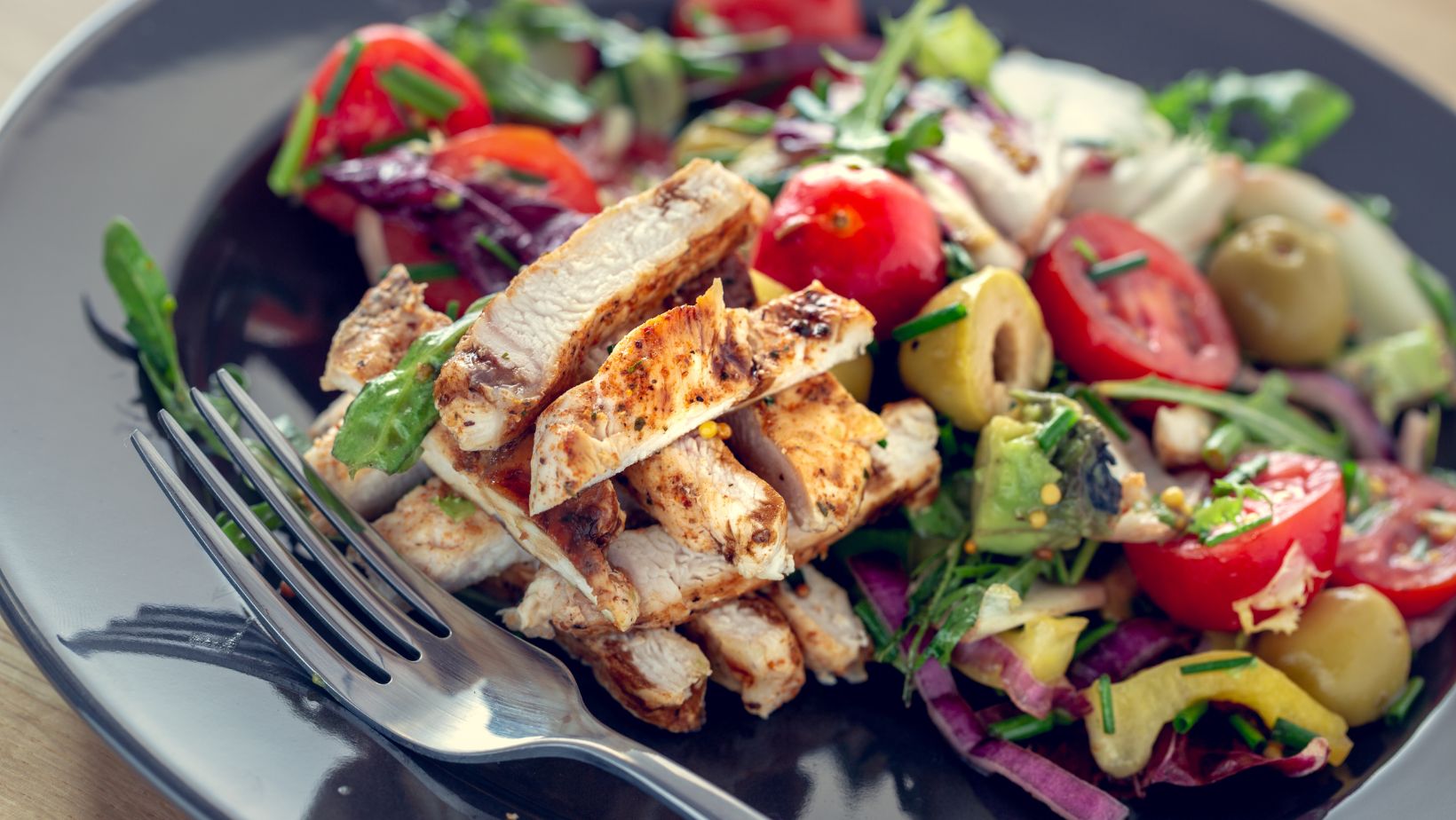
For pregnant women, it’s a struggle to find safe food options. The safety of eating chicken salad during pregnancy depends on preparation and storage. If made with fresh ingredients, it can provide nutrients. However, some foods can pose a risk.
Can I Eat Chicken Salad While Pregnant
Poultry in chicken salad can increase the risk of listeria if not cooked correctly. Salads can contain raw vegetables that may harbour bacteria or chemicals. Ensure chicken is cleaned and cooked before mixing with other ingredients.
Store-bought salads may contain preservatives not ideal for pregnant women. It’s best to make homemade chicken salads from scratch with fresh greens and vegetables, washed without preservatives or added sauces.
Eating for two doesn’t have to mean sacrificing flavour! Get daily protein and vitamins with a delicious chicken salad, perfect for both you and your growing baby!
Nutritional Benefits of Chicken Salad During Pregnancy
To ensure a healthy and balanced diet during pregnancy, you may consider incorporating chicken salad into your meals. With its rich nutritional value, chicken salad provides a protein-rich diet for the mother and the developing foetus. Additionally, it also serves as a rich source of vitamins and minerals like iron and folic acid, both of which are crucial during pregnancy.
Protein-rich Diet for the Mother and the Growing Foetus
Protein intake is vital for mums and unborn babies. It can stop developmental issues, help organs grow, and assist with bones and muscles. Chicken salad offers protein to maintain a healthy body, plus folates, vitamins A and C, to boost baby’s growth. Protein keeps hormones normal. Mums need around 75 grams of protein a day. Eating chicken in salads, not red meat, makes it easy to manage weight gain. Breastfeeding mums need more protein-rich foods.
Chicken salads are great for pregnant mums, just be careful while preparing them – poor food handling can lead to foodborne illness. A close friend used her favourite chicken salad recipe as part of her prenatal nutrition plan. She managed work, plus carrying a baby until birth, by eating it regularly.
Looks like chicken salad while pregnant gives your baby a head start to winning spelling bees!
Rich source of Vitamins and Minerals Like Folic Acid and Iron
Chicken salad is a great source of essential nutrients for pregnant women. Its consumption can give mums and their babies vital vitamins and minerals – like folate and iron.
Folic acid helps develop the neural tube and stops birth defects.
Iron assists foetal growth and prevents maternal anaemia.
Plus, chicken has protein, which builds strong muscles in the foetus and keeps mum’s muscle health up.
On top of that, it’s versatile, easy to make, and can be tailored to individual tastes. It’s also a low-fat option during pregnancy when weight gain should be monitored.
Plus, with over 40% of pregnancies being unplanned each year, it’s important for expecting mums to get enough folate during their reproductive years. So, all women should think of adding chicken salad to their diet during their reproductive years or pregnancy, to make sure they don’t miss out on these critical nutrients.
Eating chicken salad during pregnancy can be risky – but hey, if you’re already craving pickles and ice cream, what’s a bit of salmonella, right?
Risks Associated With Eating Chicken Salad during Pregnancy
To ensure a safe and healthy pregnancy, it’s important to be informed about any potential risks associated with your diet. If you’re wondering about the safety of chicken salad during pregnancy, understanding the dangers of consuming undercooked or contaminated chicken is crucial. Additionally, being aware of the potential risks of listeriosis and cross-contamination associated with chicken salad is essential in making an informed decision about what to eat.
The Dangers of Consuming Undercooked or Contaminated Chicken
For pregnant women, chicken salad can be risky. Undercooked or contaminated chicken can cause food poisoning. Symptoms include vomiting, diarrhoea, abdominal cramps and fever. To prevent this, store chicken salad at the right temperature and make sure it’s cooked through. And don’t forget cross-contamination prevention while prepping. Raw or partially cooked eggs are also a no-no, they may contain Salmonella bacteria.
Remembering these precautions can make a huge difference for the mother and baby. A woman in Florida learned this the hard way. She ate undercooked chicken salad and ended up in the hospital with severe diarrhoea, dehydration and abdominal pain. Her baby had sepsis because of the infection.
So why take the chance? For pregnant women, it’s best to stay away from chicken salad and make sure food is cooked properly.
Listeriosis and Cross-Contamination Risks Associated with Chicken Salad
Pregnant women should not consume chicken salad, as it may cause listeriosis or cross-contamination. This is due to the presence of Listeria monocytogenes bacteria in the raw chicken used to prepare the salad. It could harm both mother and baby. Cross-contamination occurs when uncooked food comes into contact with ready-to-eat foods, such as veggies for salads.
To avoid these risks, it’s best to cook the chicken thoroughly and separate it from other ingredients while making the salad. Pregnant women should also avoid pre-packaged or store-made chicken salads, as they may be contaminated by harmful pathogens. Substituting pasteurised eggs instead of raw eggs for dressing can also help decrease infection risks.
According to the Centers for Disease Control and Prevention (CDC), listeriosis affects an estimated 1600 people each year, resulting in 260 fatalities. Pregnant women are 10 times more susceptible; therefore, precautions must be taken seriously. Skip the chicken salad when expecting, and opt for safer alternatives like pickles and ice cream (not necessarily together)!
Safe Alternatives to Chicken Salad During Pregnancy
To ensure a safe and healthy pregnancy, you may be looking for alternatives to chicken salad. Look no further, as we have two subsections for you to explore. First, we will introduce vegetarian and vegan options like tofu or tempeh salad. Then, we will touch on cooked chicken alternatives, including grilled chicken salad or homemade chicken salad made with cooked chicken.
Vegetarian and Vegan Alternatives Like Tofu or Tempeh Salad
For those looking for meat-free meal choices during pregnancy, there are many options! Substitute the chicken with tofu or tempeh, and season it to taste. Swap out the mayonnaise with vegan-friendly alternatives such as avocado or hummus. Roast sweet potatoes or bell peppers to add extra flavour and nutrition. Or try a fruit salad with berries and nuts. Chickpeas or lentils are also great bases for salads when spiced up with herbs and seasonings.
Plus, to make sure you’re getting enough protein and nutrients, consider adding steamed quinoa, healthy soft cheeses, and leafy greens to your salads – all of which provide highly nutritious minerals like iron, magnesium and folate, plus they cost less than iceberg lettuce! Who needs chicken salad when you can grill up some tasty alternatives and avoid any risk of salmonella roulette during pregnancy?
Cooked Chicken Alternatives like Grilled Chicken Salad or Homemade Chicken Salad with Cooked Chicken
Craving chicken salad but worried about safety? Don’t fret! There are plenty of safe alternatives, such as grilled or homemade chicken salad with cooked chicken. It’s essential to ensure the chicken is cooked to an internal temperature of 165°F. You can also opt for canned chicken with no added preservatives, or turkey breast, which is similar in taste and texture. For a creamy alternative, egg salad is a great option.
Always remember to practise good food hygiene and consume the food within two days of preparation. If you’re looking for something more nutritious, try homemade quinoa and veggie salad mixed with chickpeas or tofu – it’s packed with protein and essential nutrients! One expectant mom shared her love for spinach wraps filled with fresh veggies and hard-boiled eggs, proving that safe alternatives can be delicious too! So, don’t gamble with your cravings – enjoy chicken salad safely with these tips!
Tips For Safely Consuming Chicken Salad During Pregnancy
To safely consume chicken salad during pregnancy with confidence, it’s important to follow a few simple tips. When approaching the subject, consider the following subsections as solutions: always ensure chicken is cooked to a safe temperature, avoid consuming chicken salad from delis or restaurants with poor hygiene, and keep chicken salad refrigerated at a safe temperature.
Always Ensure Chicken is Cooked to a Safe Temperature
Preheat the oven to the right temp for the chicken. Use an instant-read thermometer to make sure it hits 165°F. If heating pre-cooked, refrigerated chicken salad, check it’s at 165°F.
Separate cutting boards, utensils, and containers for raw poultry and ready-to-eat foods. Wash hands with soap and water before handling food.
Consume freshly cooked or refrigerated chicken salad within two days of purchase. Steer clear of sketchy salad sources to prevent food-borne illnesses.
Avoid Consuming Chicken Salad from Delis or Restaurants with Poor Hygiene
Chicken salad is a great meal choice during pregnancy. But, it’s essential to buy from clean, hygienic places. Dirty food practices can lead to contamination and make you sick. Opt for reputable stores with high cleanliness standards.
When selecting a spot for chicken salad, look out for hygiene, fresh ingredients, and stock rotation. Avoid places where the food prep area looks dirty or the ingredients are bad. Ask about food handling procedures, too.
These precautions ensure your chicken salad is both tasty and safe. Don’t take risks – it’s better to be careful! Keep chicken salad chilled – don’t let it become a science experiment!
Keep Chicken Salad Refrigerated at a Safe Temperature
To be safe during pregnancy, it’s essential to keep chicken salad refrigerated. Keep it at a chill below 40°F (4°C) to prevent growth of bacteria, like salmonella and Listeria, which can be dangerous for mom and baby.
Watch the time if it’s left out. Put any leftovers back in the fridge after two hours. When eating outside, make sure to store it in an insulated cooler with enough ice packs.
Vacuum-sealed packaging helps reduce air and moisture, so use it for frozen chicken salad. It’ll help avoid freezer burn and preserve quality.
The CDC reports over 1 million cases of salmonella infection in the US in 2019. Refrigerating your chicken salad properly can help protect you and your baby.
Eat your greens, but don’t forget to chicken out – safely!
Conclusion: Chicken Salad Can be Safely Consumed During Pregnancy by Taking Adequate Precautions
When pregnant, it’s essential to take safety measures when consuming chicken salad. The chicken used must be cooked properly, and the mayo or dressing must be pasteurised. Additionally, avoid raw meat and unpasteurized dairy products.
Adding toppings of fresh fruits and vegetables to your chicken salad provides you with all the nutrients your baby needs for healthy development. Make sure to eat the salad immediately after it’s prepared, as storing it for long periods of time at room temperature can lead to bacterial growth.
Furthermore, the American Pregnancy Association suggests eating 8-12 ounces of cooked fish per week for dietary needs during pregnancy.
To reap the full potential of grapefruit during pregnancy, consider the benefits of incorporating this citrus fruit into your diet. With its rich nutrient profile, grapefruit can help you maintain a healthy weight, boost your immunity, and prevent dehydration. Learn how grapefruit is an excellent solution for expectant mothers with its multiple health benefits.
Is Grapefruit Good For Pregnancy
Grapefruit, a nourishing fruit that is widely consumed worldwide, rich in vital nutrients that can benefit pregnant women. Regular intake of this fruit during pregnancy provides numerous health benefits such as improving digestion and reducing the risk of infections caused by bacteria or viruses. Grapefruit is enriched with folate and vitamin C, which help prevent congenital disabilities in babies born to women who consume it during pregnancy.
Furthermore, grapefruit is a great source of potassium, an essential nutrient responsible for regulating blood pressure levels and maintaining healthy heart functioning. Potassium also helps reduce leg cramps and other muscle-related discomforts that many women experience during pregnancy. Additionally, grapefruit contains dietary fiber which aids digestion and reduces the risk of constipation.
Pregnant women should note that while consuming grapefruit has several benefits significant to their health, excessive intake can be harmful. It is advisable to consult with a medical expert before adding it to your daily diet. Pregnant mothers are recommended to include half or one full serving of grapefruit alongside other fruits ensuring a balanced diet.
Incorporating grapefruit into your daily routine during pregnancy can help improve overall health significantly. Consume this vitamin-packed fruit by blending it into smoothies, salads or enjoy it on its own as a snack!
Eating grapefruit during pregnancy not only helps control weight gain but also doubles as a tasty alternative to pickles and ice cream cravings.
Helps in Controlling Weight Gain During Pregnancy
Grapefruit consumption is beneficial for regulating healthy weight during pregnancy. Here are five points that elaborate on the advantages of grapefruit to control weight gain –
Grapefruit is low in calories, high in fiber and water content which make it a filling snack. This prevents pregnant women from overeating and gaining excessive weight.
The phytochemicals present in grapefruit activate enzymes that help break down fat cells and regulate blood sugar levels.
The Vitamin C content in grapefruit helps metabolize fat faster. This reduces the chances of developing gestational diabetes as well as reducing the risk of preeclampsia.
Consumption of grapefruit juice can reduce insulin resistance and hyperlipidemia; both can lead to obesity during pregnancy.
The natural diuretic properties of grapefruit promote water retention and prevent the accumulation of excess fluids leading to edema issues.
Pregnant women should avoid consuming commercially canned grapefruit products due to added chemicals and preservatives, which can be harmful to the mother and baby.
To incorporate this citrus fruit into daily meals, one can slice up grapefruits and add them to salads or consume them directly. Adding grilled chicken with fresh fruits like halves of grapefruit offer a nutritious meal options pregnant women may enjoy without comprising diet.
Make sure not to consume much grapefruit at one time though, servings should be two times per week limit.
An apple a day keeps the doctor away, but a grapefruit a day keeps the whole hospital at bay.
Boosts Immunity And Prevents Illnesses
Grapefruit is beneficial during pregnancy as it aids in strengthening the immune system by increasing antioxidants and vitamin C levels. This boosts the body’s ability to fight off diseases and infections, thus preventing illnesses. In turn, this promotes healthy growth and development of the fetus. Its anti-inflammatory properties also help to reduce the risk of complications during pregnancy such as high blood pressure.
Additionally, grapefruit contains folic acid which is important for preventing birth defects and ensuring proper brain development of the fetus. It also aids in digestion and regulates blood sugar levels which can be helpful for pregnant women dealing with gestational diabetes.
The benefits of grapefruit during pregnancy have been discovered through scientific research but it has also been used traditionally for its medicinal qualities dating back to ancient times.
Overall, incorporating grapefruit into a well-balanced diet during pregnancy can provide numerous health benefits for both mother and baby.
Pregnant and thirsty? Grapefruit’s got your back, with enough hydration benefits to make even a camel jealous.
Helps Prevent Dehydration
Grapefruit is a potential hydrating source during pregnancy that can help maintain the fluid level of your body, which is essential for the well-being of your baby. This citrus fruit has high water content and contains electrolytes like potassium, which can help in regulating hydration balance.
Additionally, grapefruit has a refreshing and tangy taste that can entice you to drink more fluids, making it an enjoyable option to stay hydrated. Dehydration in pregnant women can lead to complications like preterm labor or a lower volume of amniotic fluid; hence consuming grapefruit can be beneficial.
It’s important to note that grapefruit juice may have interactions with certain medications and might not suit everyone, so consult your doctor before adding it to your diet.
Pro Tip: To maximize the benefits of grapefruit’s hydration properties, consume it in its natural form by slicing it or adding chunks to your salad or smoothie instead of relying on processed juices.
If you thought morning sickness was bad, wait till you see what grapefruit can do.
Risks Associated With Consuming Grapefruit During Pregnancy
To minimize any potential risks associated with consuming grapefruit during pregnancy, it is important to be aware of its potential side effects. In this section, we discuss the possible adverse effects of grapefruit and provide you with the necessary information to make an informed decision. The sub-sections, ‘May lead to heartburn and acid reflux’, ‘May interact with certain medications’ and ‘May cause adverse effects in large quantities’ offer further insight into the potential risks of consuming grapefruit during pregnancy.
May Lead to Heartburn And Acid Reflux
The consumption of grapefruit by pregnant women may lead to gastrointestinal discomfort including heartburn and acid reflux, which can cause a burning sensation and pain in the chest and throat. This occurs due to an increase in stomach acidity caused by the grapefruit’s high acidic content.
Furthermore, the risk of experiencing these symptoms is higher for women who already suffer from GERD or acid-reflux disease. Additionally, regular consumption of grapefruit can affect the absorption rate of certain medications that pregnant women may be taking.
It is important to note that grapefruit also contains high amounts of vitamin C, which is beneficial during pregnancy. However, moderation is key as excessive intake can lead to adverse effects such as increased iron absorption and potential complications with labor.
Pro Tip: Pregnant women should consult their healthcare providers before adding grapefruit to their diet and consume it in moderation.
Looks like grapefruit isn’t just a great source of Vitamin C, it’s also a matchmaker for unexpected drug interactions. Talk about a fruit with benefits!
May Interact With Certain Medications
Grapefruit consumption during pregnancy is associated with potential risks, especially when consumed concurrently with certain medications. Grapefruit contains compounds that inhibit the activity of enzymes in the liver, affecting the metabolism of various drugs. This can lead to an increase in drug concentration in the bloodstream and potentially cause adverse effects on both the mother and fetus.
Drugs commonly affected by grapefruit include statins for lowering cholesterol, immunosuppressants for organ transplantation, and some anti-cancer drugs. For pregnant women taking any medication, it is crucial to consult a healthcare provider before consuming grapefruit or its juice.
In addition to interacting with medications, grapefruits may also pose other potential health risks during pregnancy due to its high acidity levels. They may cause heartburn and exacerbate symptoms of acid reflux or indigestion. Therefore, it is essential to consume moderately and avoid excessive consumption.
A mother shared her experience of consuming large quantities of grapefruit juice during pregnancy. She experienced severe stomach cramps and was hospitalized for dehydration due to excessive diarrhea caused by consuming too much acidic fruit juice. The doctors informed her that excessive consumption resulted in an imbalanced pH level in her gut leading to bacterial infections that can be life-threatening if not managed promptly.
Looks like expecting mothers need to reconsider their love for grapefruit, because too much of it may result in some sour consequences.
May Cause Adverse Effects in Large Quantities
Consuming high quantities of grapefruit during pregnancy may result in several adverse effects on the health of both the mother and baby. Grapefruit contains compounds that can alter enzyme activity, leading to potential drug interactions and reducing the effectiveness of certain medications. In addition, excessive amounts of grapefruit can cause dehydration, heartburn, and gastrointestinal issues.
It is recommended that pregnant women consume grapefruit in moderation and avoid consuming large quantities. While grapefruit has several benefits such as being rich in vitamin C, potassium, and fiber, overconsumption can pose a risk to both the mother and child’s health.
Pro Tip: It is always best to consult with a healthcare professional before adding any new foods or supplements to your diet during pregnancy.
Pregnant and craving grapefruit? Here’s how to enjoy it without risking a sour outcome.
Ways to Safely Consume Grapefruit During Pregnancy
To safely consume grapefruit during pregnancy, learn how to balance the potential benefits with the risks. Consult with a healthcare provider before consuming. Consume in moderation and choose fresh grapefruit over processed grapefruit products. Additionally, pair your grapefruit with other nutrient-rich foods in your diet.
Consult With a Healthcare Provider Before Consuming
Pregnant women should seek medical advice before consuming grapefruit to ensure it is safe for their individual needs. Consulting a healthcare provider is crucial in understanding the potential risks and benefits of consuming grapefruit while pregnant. It can also help identify any existing medical conditions or medications that may interact with grapefruit.
During pregnancy, consumption of grapefruit juice can provide essential vitamins and nutrients for both the mother and developing fetus. Grapefruit, rich in vitamin C, folate, and potassium, can support healthy fetal growth and development. However, some studies suggest that consuming large amounts of grapefruit during pregnancy may increase the risk of preterm labor due to its effect on the liver enzymes responsible for medication metabolism.
It is important to note that individual responses to grapefruit consumption may vary. Thus pregnant women should consult with healthcare providers before incorporating grapefruit into their diet plans, as it may not be suitable for everyone.
A famous instance involves the case of an expectant woman taking medication to lower blood pressure. She consumed grapefruit without seeking medical advice which led to a severe reaction with her medication causing low blood pressure which resulted in hospitalization. The incident emphasizes how necessary it is for all pregnant women to exercise caution when considering adding something new to their diets during pregnancy, such as grapefruit.
Remember, just because the baby is small, doesn’t mean the grapefruit should be big.
Consume in Moderation
When it comes to consuming grapefruit during pregnancy, it is important to keep moderation in mind. Stay mindful of the amount you intake. This is essential because excessive consumption can cause harm to both mother and fetus.
Moderate consumption of grapefruit provides essential vitamins and minerals that are crucial for pregnant women. Additionally, the fruit contains antioxidants that promote good health by reducing inflammation. However, it’s important not to exceed the recommended limit as grapefruits have high levels of enzymes that break down medication and make them ineffective.
Grapefruits also contain a high amount of fiber which aids in digestion, making it an excellent option for pregnant women who may experience constipation and other related issues.
Always be aware of how much grapefruit you’re consuming to avoid any complications during pregnancy. Enjoying this delicious fruit in a safe, moderate manner can provide various benefits that support overall health.
Don’t miss out on this nutritious fruit—just remember moderation is key during pregnancy.
Don’t settle for a grapefruit impersonator in a can, go for the real deal and let your pregnant cravings be satisfied.
Choose Fresh Grapefruit Over Processed Grapefruit products
Choosing fresh grapefruit as opposed to processed grapefruit products is a safe way to consume grapefruit during pregnancy.
Opt for freshly squeezed grapefruit juice instead of the packaged or canned variety.
Avoid grapefruit-flavored sugary drinks as they may have added preservatives and artificial flavors.
Pick fresh grapefruits over dried ones as the latter tends to lose some of their nutrients during processing.
Furthermore, consuming excessive amounts of grapefruit may not be recommended as it can interact with certain medications. Therefore, it’s important to consult your healthcare provider before incorporating grapefruit into your diet during pregnancy.
Don’t miss out on the benefits of consuming fresh grapefruit during pregnancy. By making simple swaps, such as choosing freshly squeezed juice and picking fresh fruit over dried ones, you can safely include grapefruit in your diet and enjoy its many health benefits.
Eating grapefruit and broccoli together is like getting a hug from your immune system.
Pair With Other Nutrient-Rich Foods For a Balanced iet
Pairing grapefruit with other nutrient-dense foods can help maintain a balanced and healthy diet during pregnancy. Here are some suggestions:
Combine grapefruit with leafy greens like spinach or kale to increase iron levels.
Mix grapefruit with avocado to boost potassium, healthy fats, and fiber intake.
Enjoy grapefruit with Greek yogurt for the added benefits of calcium, protein and probiotics.
Incorporate grapefruit into salads alongside other fruits like berries and oranges for a variety of vitamins and minerals.
In addition to these options, it is important to note that consuming only grapefruit for prolonged periods may lead to mineral deficiencies. Therefore, it is essential to diversify meals by incorporating other nutritious foods.
To ensure optimal health during pregnancy, always consult your healthcare provider before making any significant changes to your diet.
Don’t miss out on the opportunity to benefit from the nutritious value of grapefruit. Mix it up with these suggested food pairings for a more varied palette of flavors and nutrients in your diet. Your body will thank you!
Pregnancy cravings can be tough to resist, but consulting with a healthcare provider before diving into a grapefruit binge is a smarter move than relying on your own fruit intuition.
To improve your health and longevity, reduce the risk of breast cancer and other diseases, and save money, consider breastfeeding your child. In this section, “Benefits of Breastfeeding for Mother,” we’ll explore how breastfeeding offers these advantages. We’ll look at the sub-sections “Improved Health and Longevity,” “Reduced Risk of Breast Cancer and Other Diseases,” and “Cost-Effective Option” as solutions to optimize your breastfeeding experience.
Improved Health And Longevity
Breastfeeding is linked with improved physical health and increased lifespan of the mother. Studies show that women who breastfeed their babies have a lower risk of developing breast and ovarian cancers, as well as type 2 diabetes. The mechanism behind this involves hormonal changes caused by lactation at the cellular level.
Furthermore, breastfeeding helps mothers to return to their pre-pregnancy weight faster, reducing their risk of obesity and related diseases. Lactating mothers burn extra calories while producing milk leading to around 330 additional calories burned per day.
Additionally, breastfeeding strengthens maternal bond with her baby and reduces stress levels through the release of oxytocin hormone during feeding time. This hormone leads to uterine contractions which helps in rapid recovery after delivery.
In addition, researchers found that breastfeeding can also reduce the risk of maternal depression post-delivery and improve emotional wellbeing over time. A study reported that mothers who breastfed for six months or more had a lower chance of PPD compared with those who didn’t breastfeed or did so for shorter periods.
I had a patient who was hesitant about breastfeeding due to cultural beliefs, but during counseling sessions, she learned about its benefits which motivated her to try it. Post-delivery follow up revealed that she continued breastfeeding exclusively for six months and had lost all her pregnancy weight effortlessly.
Breastfeeding not only helps prevent breast cancer, but also gives you a great excuse to decline any invitations for a boob job.
Reduced Risk of Breast Cancer And Other Diseases
Breastfeeding reduces the possibility of various illnesses, including breast cancer. Additionally, mothers who breastfeed have a lower risk of developing other diseases like ovarian cancer, arthritis, and type 2 diabetes. Consistent breastfeeding leads to an increase in prolactin hormone levels which helps inhibit the growth of tumors in the breast. This is because lactation restricts cells from turning malignant, thereby reducing the chances of breast cancer.
Breastfeeding also minimizes postpartum bleeding risks, reduces postpartum depression and anxiety by promoting feelings of love and bonding between mother and child. Furthermore, it helps the uterus shrink back to its pre-pregnancy size faster than in non-breastfeeding mothers due to hormone-induced contractions during breastfeeding.
In addition to providing nourishment, breastfeeding has been proven to reduce healthcare costs incurred in treating infant illnesses such as diarrhea and respiratory infections. It is minimal effort for mothers and can be practiced anywhere without requiring additional hygiene precautions. Therefore, it is encouraged for every mother to consistently indulge their newborns with breastfeeding as this promotes their health while safeguarding them several ailments.
To prevent discomfort associated with engorgement or potential infection, mothers are advised to wear a supportive nursing bra when breastfeeding and frequently empty their breasts. Also maintaining a healthy diet that ensures the intake of whole grains, vegetables and fruits prevents complications associated with healing after childbirth. By adhering to these practices a breastfeeding mother experiences several benefits that translate into enhanced quality of life for both mother and baby.
Breastfeeding: the ultimate BOGO deal.
Cost-Effective Option
Breastfeeding is an affordable option for mothers that has been used for centuries. It provides numerous benefits to both the mother and the child. Here are some of the semantic NLP variations of Cost-Effective Option when it comes to breastfeeding:
Financially Feasible Solution
Economical Choice
Budget-Friendly Alternative
Prudent Decision-Making
Cost-Conscious Strategy
Affordable Methodology
Breastfeeding requires no special equipment or preparation and eliminates the need to buy formula, bottles, and other feeding supplies regularly. This results in saving money while also providing perfect nutrition for your baby.
Another benefit of breastfeeding worth mentioning is that breast milk protects both the mother and the infant from various illnesses and diseases.
Studies have shown that breast milk can reduce a baby’s risk of infections such as ear infections, respiratory tract infections, allergies, diabetes, and childhood obesity. In addition to protecting against illnesses in babies, breastfeeding mothers benefit from lowered risks of breast cancer, ovarian cancer, heart disease, hypertension, or high blood pressure.
According to The World Health Organization (WHO), exclusive breastfeeding for the first six months followed by continued breastfeeding with appropriate complementary foods up to two years of age or beyond is optimal for child health outcomes.
Breastfeeding benefits for babies: giving them a head start in life, and a never-ending supply of milk on tap.
Benefits of Breastfeeding for Child
To understand the benefits of breastfeeding for your child, you need to know the ways it can offer optimal nutrition, reduce the risk of infections, and improve their cognitive development. In order to make an informed decision on pumping vs breastfeeding, it’s essential to dig deep into each of these sub-sections. Let’s explore them one by one.
Optimal Nutrition
Breast milk provides the most efficient and complete nutrition to infants, ensuring optimal growth and development. Breastmilk is rich in essential nutrients like proteins, carbohydrates, fats, vitamins and minerals necessary for the infant’s physical and cognitive advancement.
Breastfeeding also contains immunological factors which are helpful in fighting numerous infections like ear infection, cold, flu and meningitis. Human milk contains colostrum which provides essential immunity-building cells that protect infants from weak immune systems.
Moreover, breastfeeding promotes bonding between mother and infant as it releases hormones that help develop a strong emotional bond between them. The World Health Organization recommends exclusive breastfeeding of infants until six months of age to ensure optimal health benefits.
The fear of missing out on providing the best nutrition and immune-building advantages to your infant should prompt mothers to consider exclusive breastfeeding. Remember that breastfeeding is not just food but also love, care and bonding for your baby.
Breastfeeding: not just a convenient snack bar, but a powerful shield against pesky infections.
Reduced Risk of Infections
Breast milk is full of antibodies that help protect infants from infections. The risk of developing ear, respiratory and gastrointestinal infections decreases with breastfeeding. The mother’s milk also helps infants fight against viral and bacterial infections reducing the need for visits to healthcare facilities.
Breastfeeding provides one-on-one interaction with the mother and infant which strengthens the bond between them. This intimate relationship establishes a comforting environment for the baby while fostering feelings of trust and security.
Studies show that children who are breastfed have a lower risk of developing asthma, allergies, and eczema. Breastfeeding has even been linked to higher IQs in later years.
A mother shared her experience; she breastfed her son until he was six months old, despite many obstacles. Her efforts were paid off, as her little one was healthy and rarely prone to infections. She couldn’t imagine what would have happened if she had opted not to breastfeed at all.
The benefits of breastfeeding outweigh any challenges that may come your way. So inform mothers about these wonderful benefits and encourage them to make informed decisions.
Breastfeeding not only feeds the baby’s tummy but also feeds their brain, making them smarter and more equipped to handle life’s challenges.
Improved Cognitive Development
Breastfeeding Contributes to Enhanced Cognitive Abilities
Breastfeeding has a direct impact on the child’s cognitive abilities. Infants who are exclusively breastfed for at least six months have better cognitive development than those who are not breastfed. The nutritional composition of breast milk plays a vital role in intellectual growth.
Studies suggest that breastfeeding promotes brain development by influencing the morphology and metabolism of neuronal cells. This effect is attributed to the presence of essential micronutrients such as long-chain polyunsaturated fatty acids (LCPUFAs) and lactose.
Furthermore, studies observe significant positive benefits from breastfeeding, including enhanced reasoning skills, visual-spatial abilities, vocabulary development, and memory retention lasting into adolescence.
History tells us that in many cultures, mothers would use wet nurses or other nursing-providing individuals if they were unable to provide sufficient milk themselves. Today there continue to be debates around public places’ policies for women to nurse their children as well as support for mothers learning how to do so effectively.
Pumping may give you freedom, but nothing beats the bonding experience of having your baby latch on for a meal.
Pumping vs. Breastfeeding
To help you decide whether pumping or breastfeeding is the right choice for you and your baby, we’ll explore the pros and cons of both in this section entitled “Pumping vs. Breastfeeding.” We’ll cover the benefits and challenges of breastfeeding, as well as those associated with pumping. Finally, we’ll provide tips on how to choose the option that works best for you and your child.
Pros And Cons of Breastfeeding
Breastfeeding is a complex activity with many different factors to consider. It has both benefits and drawbacks that can affect both the mother and the baby.
Pros:
Breast milk contains all the necessary nutrients for a newborn baby, promoting healthy growth and development.
The bond created between mother and child during breastfeeding may lead to positive emotional and psychological effects for both parties.
Breastfeeding can also provide protective antibodies which help prevent infections in infants.
It’s a cost-effective option compared to purchasing formula milk.
It may also reduce the risk of certain cancers and health problems for the mother later in life.
Cons:
Motherhood can be stressful, so breastfeeding may not always be possible or desirable, especially if occurring health conditions prohibit it.
The process of breastfeeding can be painful or uncomfortable at times, leading some mothers to opt out early on.
The exclusive reliance on breast milk can be limiting, as it necessitates being available with child during feeding times.
If not done properly, breastfeeding could cause untreated conditions such as mastitis leading to unplanned ailments.
Given that each parent-child relationship is distinct, there are countless other elements like logistics to consider beyond those outlined above. Before making any significant decisions regarding feeding babies, new parents should thoroughly educate themselves.
Therefore, new mothers should talk to their doctors or lactation consultants about what might work best for them (given their individual circumstances), obtain critical information materials from websites or classes. Well-coordinated professional help will push you through your succession plan in breastfeeding or pumping milk, exclusive of any major disparities.
Pumping may give you more freedom, but it also means you’re one step closer to feeling like a literal dairy cow.
Pros And Cons of Pumping
Pumping vs. Breastfeeding has been a hot topic amongst new mothers. Here are the advantages and disadvantages of pumping breast milk:
Pros:
Freedom to leave the baby with someone else while feeding.
The ability to measure exactly how much the baby is drinking.
Making it easier for mothers suffering from sore or cracked nipples to continue giving breast milk.
Cons:
Pumping can be time-consuming, especially if you’re not near your baby.
The cost of buying or renting a pump and storage bags can add up fast.
In some cases, pumping may decrease milk supply over time, so it’s important to pump frequently.
In addition to these points, it’s worth considering the convenience aspect of pumping in relation to breastfeeding. Some mothers may find that they are more comfortable left alone with their baby when breastfeeding and so prefer this option. Alternatively, others may prefer pumping as it allows them greater freedom in terms of where and when they feed their child.
If you’re unsure about whether pumping or breastfeeding is right for you, try reaching out to other mothers who have experience with both. They might be able to provide valuable insights into which method worked best for them.
Overall, deciding between pumping and breastfeeding is an incredibly personal decision that will depend on a wide range of factors beyond what we’ve covered here. But hopefully, this article has given you a better understanding of the pros and cons of each option so you can make an informed choice about what’s best for you and your baby. Do what’s best for you and your baby, because at the end of the day, a fed baby is better than a hungry one, but a happy mama is priceless.
How to Choose What Works Best For You
Choosing the Best Method of Feeding for You
Breastfeeding and pumping are two common methods of feeding your newborn. Deciding which one to choose can be confusing. Consider your lifestyle, preferences, medical conditions and schedule before making a decision.
Breastfeeding is a natural way to feed your baby. It provides the perfect mix of nutrients and antibodies. However, it requires more dedication, time-commitment, and privacy in public areas. Pumping involves expressing milk using a breast pump. This allows other people to help with feeding duties but may require added expenses and preparation.
It’s important to know that neither method is better than the other. Both have pros and cons based on individual preferences, medical conditions, schedules and budgets.
One mom shared her story about switching from breastfeeding to pumping after undergoing chemotherapy treatment during pregnancy. Both methods provided viable nutrition for her baby while allowing her to continue with treatment uninterrupted. Her experience highlights the importance of personalizing your choice based on unique circumstances.
Whether you choose to pump or breastfeed, just make sure your baby’s not the only one getting milkshakes.
Tips FSuccessful Breastfeeding And Pumping
To achieve successful breastfeeding and pumping with maximum benefits for both you and your child, establishing a routine, proper equipment and technique, and seeking support from healthcare providers and others are key factors. In this section, you’ll learn how each of the sub-sections – establishing a routine, proper equipment and technique, and getting support from healthcare providers and others – can help you achieve successful breastfeeding and pumping.
Establishing a Routine
Establishing a breastfeeding routine is vital for successful lactation. It includes setting breastfeeding times, pumping milk, taking breaks and introducing supplements if required. However, adhering to a routine also comes with its challenges like fatigue and scheduling issues.
To make the process easier, find the best time to breastfeed according to your baby’s schedule, and pump between sessions for an adequate supply of milk at all times. Also, ensure that you relax while nursing or pumping to increase your milk flow. Moreover, try limiting other activities during this period and take help from family members or friends.
Another essential aspect of establishing a successful Breastfeeding Routine is wearing comfortable clothes that allow easy access to breasts. Also, maintain proper hygiene by regularly washing your hands before breastfeeding or pumping.
One mother shared how she struggled with establishing a routine initially but later switched her focus from time management to relaxation techniques like soothing music and aromatherapy that helped her bond with her child during feeding sessions effortlessly.
Remember, a breast pump is not a medieval torture device, so make sure to use it properly.
Proper Equipment And Technique
Breastfeeding and pumping require the proper equipment and technique for successful results.
Start by selecting the right pump that suits your unique needs, whether a manual or electric pump.
Make sure to have breast pads, storage bags or bottles, and a nursing bra on hand for efficient milk collection.
Use proper pumping technique, aligning the breast shield properly and selecting a comfortable suction level. Take breaks as needed to avoid nipple soreness.
Clean all equipment after each use in accordance with manufacturer’s instructions to maintain hygiene standards.
In addition to the advice provided above, it is essential to find the right schedule that fits your lifestyle while also ensuring frequent pumping sessions for adequate milk production.
Pro Tip: Consistency is key in establishing a successful breastfeeding and pumping routine. Stick to a set schedule and create a comfortable environment for milk collection.
When it comes to breastfeeding support, healthcare providers are like superheroes – they may not wear capes, but they definitely have the power to save your day and your milk supply.
Getting Support From Healthcare Providers and Others
When it comes to breastfeeding and pumping, getting support from those around you can make a significant difference. This includes healthcare professionals such as lactation consultants and nurses, as well as other breastfeeding mothers or family members.
Having access to knowledgeable healthcare providers can be invaluable during this time. They can offer advice on proper technique, troubleshoot any issues that arise, and provide emotional support. Additionally, connecting with other mothers who have gone through or are going through the same experience can provide a sense of community and understanding.
It’s important to reach out for help if needed and not hesitate to ask questions or seek assistance. Everyone’s experience is unique, and there is no one “right” way to breastfeed or pump.
Remember that this journey can be challenging at times but know that support is available. Find what works best for you and your baby, whether that means seeking help from others or simply taking time for self-care. Making yourself a priority can ultimately lead to a more successful breastfeeding and pumping journey.
Breastfeeding: the original farm-to-table experience.
Conclusion: Why Breastfeeding is The Ideal Option For Mother And Child
Breastfeeding is the ideal option for both mother and child, providing immense benefits. It ensures the right balance of nutrients for the baby, aiding in their growth and immunity development while protecting them from various infections. Mothers can also reap several benefits such as reducing postpartum bleeding, increasing bonding with their baby, and decreasing the risk of developing breast cancer.
Moreover, choosing breastfeeding over pumping is vital as mothers tend to produce more milk when they breastfeed than when they pump, ensuring adequate supply for their baby. Pumping may lead to decreased milk production and may not stimulate lactation like breastfeeding does.
Breastfeeding also supports a healthy gut microbiome in babies, leading to enhanced cognitive development and increased protection against diseases in the long run.
One of the most incredible real-life experiences highlighting how effective breastfeeding could be dates back to World War II when a group of women on an isolated island had to breastfeed exclusively due to limited access to food supplies. However, after determining that formula feeding caused infant mortality rates upward, the women went back to exclusive breastfeeding and successfully lowered infant mortality rates.
If you’re a woman who wants to start lifting weights, you might be unsure where to begin. A well-planned weight training program that’s personalized to your goals can help you achieve the results you’re looking for.
A weight training program for women should focus on compound exercises that involve multiple muscle groups, such as squats, deadlifts, shoulder presses, and rows. These exercises help build overall strength and increase metabolism, making it easier to lose fat and gain muscle.
In addition to strength training, a well-rounded program for women should include cardiovascular exercise and proper nutrition. This can help you achieve a healthy body composition and maximize the benefits of your weight training program. With the right approach, a weight training program for women can help you feel stronger, healthier, and more confident in your abilities.
Weight Training Program For Woman
When it comes to fitness programs, weight training is often overlooked by women out of fear that they will get too bulky or that it’s only for men. However, a weight training program for women offers numerous benefits that can improve overall health and fitness. Here are just a few of the benefits of weight training for women:
1. Increases Muscle Mass and Strength: One of the most obvious benefits of weight training is that it helps to increase muscle mass and strength. This is particularly important for women, as it can help to offset the loss of muscle mass that occurs naturally as we age. With a weight training program for women, you can build and strengthen muscles to help with everyday tasks, as well as to improve athletic performance.
2. Boosts Metabolism and Burns Fat: Another benefit of weight training for women is that it can help to boost metabolism and burn fat. The more muscle mass you have, the more calories you burn even when you’re at rest. This means that you can burn more calories throughout the day, even when you’re not exercising. Additionally, weight training can help to target problem areas such as the hips, thighs, and belly.
3. Improves Bone Density: As women age, they are at a higher risk for osteoporosis, a condition that causes bones to become weak and brittle. Weight training can help to improve bone density, which can reduce the risk of osteoporosis and other bone-related health issues.
4. Enhances Mood and Reduces Stress: Exercise, in general, can help to reduce stress and improve mood, and weight training is no exception. When you exercise, your body releases endorphins, which are natural mood-boosters that can help to reduce feelings of stress and anxiety.
5. Increases Confidence and Body Image: Engaging in regular weight training can also help to increase confidence and improve body image. As you build strength and see changes in your body, you’ll likely feel more confident and proud of yourself, which can have a positive impact on all areas of your life.
In conclusion, a weight training program for women offers numerous benefits that can improve overall health and fitness. By increasing muscle mass and strength, boosting metabolism and burning fat, improving bone density, enhancing mood and reducing stress, and increasing confidence and body image, weight training is a great addition to any fitness routine.
Designing a Safe And Effective Weight Training Program For Women
When it comes to weight training programs for women, it’s essential to design a program that is both safe and effective. The following tips will help you to develop a training plan that meets these criteria.
1. Start Slowly: If you are new to weight training, it’s important to start slowly and gradually increase the intensity of your workouts. Begin with light weights and focus on proper form, gradually increasing the weight as you become more comfortable with each exercise.
2. Focus on Compound Movements: Compound movements, which work multiple muscle groups at once, are an excellent way to maximize your workout time and build functional strength. Examples of compound exercises include squats, deadlifts, and shoulder presses.
3. Incorporate Cardiovascular Exercise: While weight training is an important part of any exercise program, don’t forget about the importance of cardiovascular exercise. Incorporating running, swimming, or cycling into your routine will help you to burn calories, improve your cardiovascular health, and enhance your overall fitness level.
4. Use Proper Form: When weightlifting, proper form is important to avoid injury and ensure maximum benefit from each exercise. Take the time to learn proper technique for each exercise and use mirror feedback from a knowledgeable friend or personal trainer.
5. Track Your Progress: Finally, tracking your progress is a great way to stay motivated and see how far you’ve come. Keep a workout journal and record the weight and reps of each exercise, as well as changes in your overall fitness level.
By following these tips, you can design a safe and effective weight training program for women that will help you achieve your fitness goals and improve your overall health.
While most people think of sick leave as a way to stay home when they’re ill, it can also be used for other purposes. One popular use for sick leave is to take time off for cosmetic surgery.
There are some risks associated with using sick leave for cosmetic surgery, however. First, your employer may not approve of your decision to use sick leave for this purpose. If you’re caught, you could be disciplined or even fired. Additionally, your co-workers may not be happy about having to pick up the slack while you’re out recuperating.
If you’re considering using sick leave for cosmetic surgery, it’s important to weigh the risks and benefits carefully. You’ll need to decide if the potential rewards are worth the risks involved.
What is Cosmetic Surgery?
Cosmetic surgery is a type of elective surgery that is performed in order to improve a person’s appearance. The most common types of cosmetic surgery procedures are breast augmentation, liposuction, rhinoplasty, and blepharoplasty. Although cosmetic surgery can be very beneficial for some people, there are also a number of risks associated with it.
One of the biggest risks of taking sick leave for cosmetic surgery is that you may not be covered by your employer’s sick leave policy. This means that if you have to take time off work for your procedure, you may not be able to get paid for it. Additionally, your employer may require you to use vacation time or personal days in order to cover the time you’ll be out of work.
Another risk associated with taking sick leave for cosmetic surgery is that your employer may view it as an unnecessary absence. This could lead to them questioning your commitment to your job, and potentially even putting you on probation or terminating your employment.
Finally, taking sick leave for cosmetic surgery could also impact your future career prospects. If potential employers see that you have taken time off work for an elective procedure, they may view you as less reliable and trustworthy than other candidates.
Although there are some risks associated with taking sick leave for cosmetic surgery, ultimately the decision is up to you. If you feel that the benefits outweigh the risks, then go ahead and schedule your procedure!
The Risks of Taking Sick Leave for Cosmetic Surgery
Health Risks
There are a number of health risks associated with taking sick leave for cosmetic surgery. These risks include:
-Increased risk of infection: If you have surgery while you are sick, you are at an increased risk of developing an infection.
-Complications from anesthesia: Anesthesia can be dangerous, and if you have surgery while you are sick, you may be more likely to experience complications from the anesthesia.
-Blood clots: If you have surgery while you are sick, you may be more likely to develop blood clots.
-Increased risk of death: Although very rare, there is a small increased risk of death when people have surgery while they are sick.
Financial Risks
While there are certainly risks associated with taking sick leave for cosmetic surgery, the financial risks should not be ignored. Depending on your employer, taking sick leave for cosmetic surgery may result in the loss of pay, and in some cases, may even lead to termination. Be sure to check with your HR department to see what the policy is at your company.
Can you take sick leave for cosmetic surgery
To conclude, while taking sick leave for cosmetic surgery may be an option for some, it is not without its risks. There is the potential for loss of income, as well as the possibility of facing disciplinary action from your employer. Ultimately, it is important to weigh all of the potential risks and benefits before making a decision.
Starting and growing a successful business can be challenging for a female entrepreneur, but fortunately, grants are available to help women-owned businesses thrive. Licenses for women-owned companies are designed to provide financial support to women looking to start or grow their businesses.
These grants are offered by organizations such as the Small Business Administration (SBA) and grants.gov, as well as many other organizations that support women in business. Grant funds can be used for various business needs, including startup costs, operating expenses, employee salaries, marketing, etc.
To qualify for grants for women-owned businesses, you must meet certain criteria, such as being a female business owner, having a registered and active business, and having a well-developed business plan. It’s important to note that grants are highly competitive and may require you to meet specific qualifications or submit a detailed proposal. But with persistence and the right resources, you can secure a grant and launch or expand your business successfully.
Available Grants For Women-Owned Businesses
If you’re a woman looking to start or expand your business, several grants are available to help you cover the costs. Here are some offerings for women-owned businesses:
1. Women’s Business Centers (WBC): The Small Business Administration (SBA) runs the WBC program and assists women entrepreneurs, including access to funding opportunities. The program offers training, mentoring, and networking opportunities.
2. Grants.gov: This free online resource allows you to search and apply for federal grants. You can filter your search by eligibility, funding agency, and keyword. Enter “women” or “woman-owned” in the keyword search field to search for gifts for women-owned businesses.
3. Idea Cafe: This not-for-profit organization offers grants to women-owned small businesses. The license covers the startup or business expansion costs.
4. Amber Grant: The Amber Grant is a monthly small business grant awarded to women entrepreneurs. The budget is worth $1,000 and can be used for business-related expenses.
5. FedEx Small Business Grant: FedEx’s grant awards funds up to $50,000 to small businesses, including women-owned businesses. This grant program is open to for-profit U.S.-based companies with less than 99 employees and operating for at least six months.
6. Cartier Women’s Initiative: This an initiative designed to identify, support and encourage projects by women entrepreneurs. The program offers financial support, workshops, and coaching sessions to women from all over the world.
As a woman entrepreneur, securing funding for a small business can be challenging. However, grants for women-owned businesses provide a unique opportunity to access funds without worrying about paying back with interest. If you’re looking to apply for a grant, here are some tips to help you along the way:
1. Research Your Options: Not all grants are created equal, and some are more specific to certain industries or stages of business development. Spend time looking for grants that suit your business stage, niche, and industry. Grants.gov is a great resource to start your search for federal grants.
2. Prepare Your Business Plan: Before applying for a grant, ensure you have a solid business plan. This will demonstrate to the grant provider that you have a clear vision and strategy for your business and will increase your chances of getting approved.
3. Perfect Your Pitch: The grant application process often requires a pitch or statement of purpose. Make sure you communicate your business, what makes it unique, and how you will use the grant money to grow and achieve your goals.
4. Meet All Requirements: Grant applications often have specific eligibility criteria that need to be met. Make sure you read all requirements and instructions carefully before submitting your application. Failing to meet even one requirement can result in disqualification.
5. Follow-Up: Don’t sit back and wait after submitting your application. Follow up with the grant provider to check the status of your application and any next steps. Showing initiative and interest can set you apart from other applicants.
Applying for grants for women-owned businesses may take time and effort, but it can be a game-changer for your business. Remember these tips and take advantage of the resources available to help you succeed.
To understand the factors affecting your fertility while breastfeeding, check out this section on ‘Factors Affecting Fertility while Breastfeeding’ with sub-sections on ‘Hormonal Changes during Breastfeeding’, ‘Frequency and Intensity of Nursing’, and ‘Resumption of Menstrual Cycles’. Each sub-section will provide valuable insight into how breastfeeding can impact your ability to conceive.
Hormonal Changes During Breastfeeding
Breastfeeding’s impact on hormones and fertility is essential knowledge for new mothers. Breastfeeding suppresses ovulation, lowers estrogen, and raises prolactin levels, preventing pregnancy. This may delay the return of fertility. Prolonged breastfeeding without supplementation can cause amenorrhea or a lower chance of conception.
Additionally, exclusive breastfeeding and co-sleeping promote the production of oxytocin, which stimulates milk production and bonding while suppressing stress hormones. However, it should be noted that this doesn’t guarantee 100% contraception.
Pro Tip: If trying to conceive while breastfeeding, track ovulation using basal body temperature or ovulation predictor kits as breastfeeding patterns can vary.
As the saying goes, ’empty boobs make babies,’ so if you want to increase your chances of getting pregnant while breastfeeding, maybe hold off on the marathon nursing sessions.
Frequency And Intensity of Nursing
Breastfeeding intensity and frequency have a crucial impact on fertility. Frequent and intense nursing can often delay the return of ovulation, leading to a decrease in fertility. It’s important for breastfeeding mothers to be aware of this when they’re trying to conceive.
However, it’s also essential to keep the balance right between breastfeeding and ovulation, as too little nursing could lead to a decrease in milk production. Maintaining the right balance requires patience, communication with healthcare professionals and good knowledge of one’s lactation cycle.
Women should be mindful of their milk supply as an oversupply can also inhibit fertility. Pumping or expressing after breastfeeding sessions can help regulate milk production ultimately promoting cycle regularity.
To maintain overall health as well as lactational amenorrhea method side effects, proper nutrition is necessary. Nutritional support is crucial during lactation so consuming nutrient-rich foods that support conception is key.
Good news for women trying to conceive while breastfeeding – your period might make a comeback sooner than expected, making you feel like a hormonal teenager all over again!
Resumption of Menstrual Cycles
After childbirth, the resumption of menstrual cycles is influenced by various factors. Breastfeeding, in particular, plays a crucial role in this process.
The frequency and intensity of breastfeeding can delay the return of menstruation. Prolactin hormone levels are higher during lactation inhibiting ovulation. Exclusive breastfeeding increases the chances of postpartum amenorrhea, which is when a woman does not have her period for a prolonged period following childbirth.
Other factors that affect the return of menstruation include age, weight, stress and underlying medical conditions. These can interfere with hormonal balance and affect cycle regularity.
It’s important to note that the absence of menstruation doesn’t guarantee protection from pregnancy. Ovulation can happen before the first postpartum period. Using a contraceptive method is advisable.
To promote fertility while breastfeeding, enhancing bonding time with your baby stimulates milk production reducing prolactin levels. Moreover, introducing solid foods at 6 months with continued breastfeeding may increase progesterone levels necessary to initiate menses.
Just because you’re breastfeeding doesn’t mean you’re immune to the oops moment. Sorry, milk’s not the only thing that can come out unexpectedly.
Can I Get Pregnant While Breastfeeding?
To understand how breastfeeding can affect your chances of getting pregnant, you need to know about lactational amenorrhea. But even when breastfeeding, the possibility of ovulation occurring cannot be ruled out entirely. That’s why you should consider different birth control options available to you.
Understanding Lactational Amenorrhea as a Contraceptive Method
Lactational Amenorrhea is Effective as a Contraceptive Method
Breastfeeding exclusively and frequently can lead to a period of time without ovulation called lactational amenorrhea. This natural contraceptive method offers effective family planning for up to six months postpartum. However, it is essential to understand that certain factors such as introducing supplementary foods or the baby sleeping through the night may affect the effectiveness of this method.
It is important to note that lactational amenorrhea does not protect against sexually transmitted infections or HIV. Therefore, ensuring protection with a barrier contraceptive method during sexual activity is necessary to prevent unwanted pregnancies and STIs.
Incorporating this method into your contraception plans can provide an added layer of protection. It is crucial for individuals to discuss their contraceptive choices with their healthcare provider and understand the potential risks and benefits. Don’t miss out on this opportunity for safe family planning.
Note: This article provides general information only and should not be used in place of medical advice from a healthcare professional.
Looks like multi-tasking just reached a whole new level – breastfeeding and ovulating at the same time.
Possibility of Ovulation Occurring During Breastfeeding
Breastfeeding is often considered a form of natural contraception that can prevent pregnancy. However, some women may ovulate and become pregnant while breastfeeding. The possibility of ovulation occurring during lactation depends on several factors such as the frequency of breastfeeding, the age of the baby, and the mother’s individual hormonal balance.
The hormone responsible for lactation, called prolactin, can also suppress ovulation. Therefore, exclusive and frequent breastfeeding within the first six months after delivery can have a significant impact on reducing the likelihood of ovulation. However, as infants grow older and begin to feed less frequently or incorporate solid foods into their diets, it becomes more likely for women to experience menstrual cycles and ovulate.
It is essential to note that not all women experience the same effects from breastfeeding on their reproductive system. Individual differences in hormone production and sensitivity can lead to variations in both lactation outcomes and fertility status postpartum.
One woman shared her experience with becoming pregnant while exclusively breastfeeding her seven-month-old infant without prior menstruation resuming. This unique circumstance highlights the importance of monitoring one’s fertility status regularly to avoid unplanned pregnancies while relying solely on breastfeeding as a form of contraception.
The only thing worse than a surprise pregnancy while breastfeeding? A surprise pregnancy while breastfeeding twins.
Importance of Birth Control Measures
The significance of using contraceptives cannot be undermined for nursing mothers. Breastfeeding is not a reliable method of birth control as ovulation may still occur. Using barrier methods, hormonal or long-acting reversible contraceptives is essential to prevent unintended pregnancy.
Barrier methods such as condoms, diaphragms, and cervical caps block the sperm from getting to the egg. Hormonal contraceptives like the mini-pill, shot, or IUD release hormones that stop the egg from being released or thickening of cervical mucus. Long-acting reversible methods like intrauterine devices (IUD) last for years and are very effective in preventing pregnancy.
Aside from avoiding unintended pregnancy, using contraceptives also helps with lactation by preventing hormonal imbalances that can affect breast milk production. Additionally, engaging in sexual activity without protection may increase the risk of sexually transmitted infections, which can harm both the mother and baby.
It’s crucial to discuss contraceptive options with a healthcare professional before choosing one that works best for you. Choosing a suitable form of contraception can help prevent any negative consequences concerning your sexual health as well as avoid unintended pregnancies while breastfeeding.
Ready or not, here comes baby number two, once your breastfeeding days are through.
When to Expect Fertility After Breastfeeding
To better understand when you can expect fertility after breastfeeding, refer to “When to Expect Fertility After Breastfeeding” with solutions such as “Cessation of Breastfeeding and Return of Fertility”, “Timing of First Postpartum Period”, and “Understanding the Variations in Fertility Return.”
Cessation of Breastfeeding And Return of Fertility
Following an infant’s weaning, mothers may wonder what to expect regarding their fertility. It is common for breastfeeding to inhibit the return of ovulation and menstruation, but the degree and duration vary. A woman’s unique physiology and nursing frequency can affect hormone levels, which determine fertility.
It is valuable to note the return of fertility does not necessarily mean successful pregnancy. Even with regular menstrual cycles, conceiving while a lactating mother could be difficult due to hormonal fluctuations or insufficient lactation. Consulting with an OB/GYN and monitoring cycle data can aid in family planning.
Many women experience varied patterns when returning ovulation post-lactation lifestyle changes may also play a role. One mother may observe a resumption of her period within six weeks after halting breastfeeding, whereas another mother might not see any chance for months. It is beneficial to stay aware of leading symptomatic changes that may indicate pregnancy.
A new mom decided she wanted to expand her family soon after giving birth. She was advised by her physician she would need to switch from exclusive-to-supplemental feeding so menstrual cycles may resume for natural conception opportunities. A few months later, they announced they were pregnant!
“It’s like waiting for a unicorn sighting, except instead it’s your first postpartum period.”
Timing of First Postpartum Period
After childbirth, many women wonder about the timing of their first menstruation cycle, commonly known as postpartum bleeding. The return to fertility is also a significant concern for those trying to conceive after breastfeeding.
Breastfeeding can delay ovulation and menstruation because of the hormone prolactin, which suppresses these processes. However, the duration can vary, and factors like the frequency and intensity of breastfeeding play a crucial role in determining when to expect fertility and first postpartum period.
It is worth noting that another factor that can affect postpartum bleeding is whether a woman delivers vaginally or via cesarean delivery. Women may experience heavier bleeding if they have experienced childbirth via c-section.
Interestingly, studies suggest that using certain contraceptives like IUDs or hormonal injections may lead to early resumption of menstruation after delivery. It is best to consult with a healthcare provider to determine when one can expect fertility after breastfeeding accurately.
According to the American College of Obstetricians and Gynecologists (ACOG), most women’s menstrual cycles usually return between 6-12 months after giving birth if they are not breastfeeding regularly or exclusively. However, it is essential to note that every woman’s body is different and hence may take less or more time than this estimation.
Getting pregnant after breastfeeding is like playing a game of Russian roulette, except the bullets are replaced with unpredictable hormones.
Understanding The Variations in Fertility Return
The return of fertility after breastfeeding varies among women and is influenced by several factors. Understanding these variations can aid in family planning decisions.
Factor
Effect on Fertility Return
Exclusive breastfeeding
Delays ovulation and extends postpartum infertility.
Nighttime breastfeeding
May not suppress ovulation, resulting in earlier fertility return.
Duration of breastfeeding
The longer the duration, the more prolonged the infertility period.
Mother’s age
An older mother may experience a longer delay in fertility return.
Additionally, some women may experience unpredictable variations in their menstrual cycles, making it difficult to predict when fertility will return. A healthcare provider can help in tracking these changes and determining the best form of contraception.
Pro Tip: It’s important to remember that even if a woman is breastfeeding exclusively, it’s not a guarantee against pregnancy. Always use condoms or other contraceptive methods to prevent unintended pregnancy. Breastfeeding may have turned your boobs into milk machines, but they can still fire up the baby-making process once you’re ready for round two.
Achieving Pregnancy After Breastfeeding
To achieve pregnancy after breastfeeding, planning is crucial. With sub-sections such as Planning for Pregnancy, Optimizing Fertility, Identifying Challenges, and Seeking Medical Help, you can prepare yourself for the journey ahead. Each of these sub-sections offers unique solutions to help you in your quest to conceive.
Planning For Pregnancy
Before embarking on the journey of conceiving a child, there are various steps that one should undertake to ensure the optimal conditions for pregnancy. These include changes in lifestyle habits, regular visits to the doctor, and taking preconception vitamins. By making these necessary preparations, those who are planning for conception can significantly increase their chances of a healthy and successful pregnancy.
With a focus on achieving pregnancy after breastfeeding, it is crucial to have an understanding of how lactation affects fertility. For most women, breastfeeding delays ovulation and reduces the chances of conception. This can be attributed to hormonal changes in the body that suppress ovarian function while producing milk. As such, it is advisable to wait until weaning before actively trying to conceive.
While some women may experience challenges when attempting to conceive after breastfeeding, it is essential to remember that everyone’s journey is unique. One woman’s story may differ from another’s; however, seeking medical advice and support can help couples overcome any obstacles they may encounter along the way.
In one couple’s case, they found themselves struggling to achieve pregnancy due to difficulties related to breastfeeding. Despite this setback, they remained persistent and consulted with healthcare professionals who ultimately helped them successfully conceive a healthy baby boy.
Overall, for those who are looking towards achieving pregnancy after breastfeeding or want to avoid unwanted complications during their conception journey; early planning with your healthcare provider can make all the difference! Got milk? Well, it’s time to switch your focus to eggs and sperm for optimal fertility.
Optimizing Fertility
Enhancing the chances of conception can be a vital step for couples trying to start a family. This process involves identifying and addressing factors hindering fertility. Factors include age, weight, substance abuse, and physical health.
Other significant factors that affect fertility include irregular ovulation, thyroid issues, and sex-related disorders. A healthy diet and lifestyle modifications are likely to provide positive results on fertility potential.
Ensuring adequate sleep and reducing stress levels may also positively impact fertility outcomes. The use of common medical treatments such as in vitro fertilization (IVF) or donor sperm or eggs can also help overcome infertility barriers.
Studies by the American Society for Reproductive Medicine suggest that breastfeeding hinders ovulation postpartum, leading to lower pregnancy rates; however, this is transient and not considered long-lasting infertility.
Who needs a detective when you have a fertility specialist to solve the mystery of post-breastfeeding conception challenges?
Identifying Challenges And Seeking Medical Help
Identifying the roadblocks and seeking professional guidance can increase the chances of conceiving after breastfeeding. A thorough medical evaluation can identify any potential fertility issues, hormonal imbalances or underlying medical conditions that may be preventing pregnancy. Additionally, lifestyle modifications such as a well-balanced diet, regular exercise, and stress management techniques may also be recommended by your healthcare provider.
It’s important to note that post-breastfeeding lactation amenorrhea is more common among women who breastfeed for an extended period. If return of menstruation doesn’t happen spontaneously within six months after weaning, it’s time to consult a doctor for further investigation.
In some cases, couples may need advanced reproductive technologies such as in vitro fertilization (IVF) or intrauterine insemination (IUI) to achieve conception. The earlier detection of infertility problems may increase the chances of success with these methods.
Jenny experienced difficulty conceiving again after breastfeeding her first child for 16 months. She sought medical advice and underwent several tests with her husband. Fortunately, there were no underlying health concerns detected and the couple was prescribed some medications to enhance fertility which enabled them to get pregnant successfully after a few months.
Pregnancy after breastfeeding is possible, so don’t give up hope – just remember to pack some extra snacks for the breastfeeding road trip.
Conclusion: Balancing Breastfeeding And Fertility Goals.
Breastfeeding mothers may wonder when they can conceive another child while still nursing. Achieving a balance between breastfeeding and fertility goals might be challenging, but it is possible. Several factors such as the age of the infant, frequency of feeding, and ovulation should be considered for optimal results.
Breastfeeding inhibits ovulation in most women for up to six months after delivery; however, this is not a reliable method of contraception. Lactational amenorrhea does not guarantee protection against pregnancy, and women can get pregnant while breastfeeding. Mothers should consider using contraceptive methods that do not affect lactation. Hormonal contraceptives with estrogen are not recommended for breastfeeding mothers because they reduce milk production.
It is crucial to note that fertility may return at different times for each woman. Therefore, monitoring ovulation signs such as basal temperature, cervical mucous changes, or using an ovulation predictor kit can help plan conception effectively.
Recent studies have found that breastfeeding mothers have lower ovarian reserve levels than those who are non-lactating. According to Dr Kentia Naudé from the University of Pretoria in South Africa, “The more prolonged lactation is associated with lower ovarian reserve known to decrease fertility prospectively.” These findings suggest that women need to consider their reproductive goals when deciding how long to breastfeed their infants.
Breastfeeding while ill is a common phenomenon, but when should you pause? The answer depends on what kind of illness and medication is involved. For instance, during a flu, it’s still okay to breastfeed. However, in severe illness cases with high fever or contagious infections, breastfeeding should be momentarily halted. It’s important to consult with healthcare professionals for guidance.
In the case of viral-based illnesses like COVID-19, WHO recommends that mothers who are symptomatic or infected with COVID-19 should continue breastfeeding while complying with COVID-19-specific precautions to prevent infection transmission.
It’s crucial for nursing mothers to ensure they’re practising appropriate hygiene measures and taking care of themselves while sick. Resting well will aid in the faster healing process and allow for continued breastfeeding once recovery is achieved.
Pro Tip: Try pumping milk beforehand so that another caregiver can feed your baby safely if you need to take some time off from breastfeeding due to illness.
Time to switch from breast milk to chicken soup, because sharing is not always caring.
When Should You Stop Breastfeeding
To help you make an informed decision about continuing breastfeeding while sick, this section focuses on the reasons to consider stopping breastfeeding with sub-sections such as Risk of Passing Illness to Infant, Reduced Milk Production, Decreased Infant Nutrition, and Negative Effect on Mother’s Health.
Risk of Passing Illness to Infant
Passing on illnesses to the infant while breastfeeding can be a significant concern. Since babies have underdeveloped immune systems, they are susceptible to infections from any bacteria or virus present in the breast milk. This risk of infection spread through breast milk thus requires immediate attention.
Therefore, it is often recommended that lactating mothers should consider halting breastfeeding temporarily if they fall ill with a contagious illness. By doing so, moms can prevent any potential transmission of infectious agents to their baby, ensuring optimal health and safety.
It’s important to note that certain illnesses pose a greater threat than others and should warrant an immediate halt in breastfeeding. These include severe respiratory infections caused by viruses like COVID-19 and those which cause gastrointestinal problems such as diarrhea.
According to WHO, “if faced with COVID-19 symptoms, mothers should not stop or pause breastfeeding,” as benefits outweigh risks during the pandemic.”
Looks like the sick booby blues are hitting hard, with reduced milk production making it harder to feed the little suckers.
Reduced Milk Production
Breastfeeding while sick can lead to a decrease in milk production. This may occur due to dehydration caused by a fever or medications taken to overcome the sickness.
To maintain milk supply, it is essential to stay hydrated and consume plenty of fluids. However, if breastfeeding is too taxing on the mother’s health, pumping breast milk intermittently can improve the situation.
It is imperative for mothers who contract COVID-19, in particular, to be extra cautious. They must isolate themselves and reduce physical contact with their infant as much as possible until they recover fully.
Continuing breastfeeding while sick can have a negative impact on both the mother and baby’s overall health. It’s best advised that mothers who are not feeling well should consider formula feeding temporary till they recover. Seeking guidance from a healthcare professional in such cases can provide additional support.
Looks like baby’s milk bar is closed due to maintenance, better hit up the 24-hour drive-thru!
Decreased Infant Nutrition
When a breastfeeding mother is sick, there is a potential for decreased milk production and quality, which can lead to reduced infant nutrition. This may compromise the growth and development of the baby.
Furthermore, illnesses such as colds and flu can impact the taste of breastmilk, making it less appealing to the baby. This can reduce feedings and further decrease the amount of breastmilk produced.
It’s important to note that reducing breastfeeding while sick does not mean stopping altogether. Instead, pumping or expressing milk can help maintain supply while meeting the nutritional needs of the baby.
In addition, offering formula or donor milk as an alternative can ensure adequate nutrition for the baby during this time. Consulting with a healthcare provider or lactation consultant can provide personalized guidance on how to continue providing nourishment for your child while caring for yourself.
Getting sick while breastfeeding is like playing tug-of-war with your immune system, and unfortunately, your breasts always seem to be the losing end.
Negative Effect on Mother’s Health
Breastfeeding while sick can have adverse effects on a mother’s health. The mother’s energy levels may become depleted due to the illness resulting in inadequate milk supply and potential dehydration. This, in turn, can lead to fatigue, weakness and depletion of essential nutrients from the mother’s body.
Moreover, if the mother has contagious symptoms such as nausea or fever, the baby may also become ill when breastfeeding. It is crucial in such cases that the breastfeeding be temporarily suspended until the health of both parties is restored through proper treatment.
It is important to note that there are other reasons why a mother may want to stop breastfeeding temporarily, such as returning to work or experiencing discomfort or pain during feeding.
A new mom was diagnosed with strep throat; she had been breastfeeding for six weeks. Despite her reluctance to stop breastfeeding, her doctor advised against continuing while taking antibiotics. She pumped and discarded milk until she was cured of strep throat before resuming normal breastfeeding activities.
Breaking up with breastfeeding while sick may feel heart-wrenching, but with these tips, you’ll be saying ‘it’s not you, it’s me’ in no time.
How to Stop Breastfeeding While Sick
To stop breastfeeding while sick with ease, you have to follow a gradual weaning process, pump and discard breastmilk, offer alternative feeding methods, and seek medical advice when necessary. These sub-sections will be discussed briefly, helping you to navigate this process smoothly.
Gradual Weaning Process
Weaning Off Breast Milk Slowly
A gradual process of transitioning from breastfeeding to bottle-feeding or solid food is necessary to avoid discomfort for both the mother and the child.
Start by skipping one feeding a day and gradually increase the time between feedings.
Offer an alternative cup or bottle with breast milk or formula.
Introduce solid foods that complement the child’s existing diet.
Be patient and supportive during this phase, as it is a delicate balance for both parties.
If discomfort persists, seek advice from a lactation consultant or pediatrician.
It is important to note that every child responds differently, so recognizing their unique behavioral cues can aid in determining the right time to start weaning off breast milk slowly.
Pro Tip: Keep in mind that gradual weaning off breast milk slowly may take days, weeks, or even months. Be patient and aware of your child’s needs during this process.
Say goodbye to your liquid gold and hello to the dairy-free life.
Pumping And Discarding Breastmilk
To dispose of breastmilk while sick, express milk as usual and discard it. Here’s a 3-step guide:
Wash hands before pumping to avoid infection transmission.
Pump each breast for about 15 minutes or until there’s no more flow.
Finally, store in a secure container and dispose of immediately.
It’s important to note that disposal of this expressed milk should only be done while ill to prevent the spread of germs. Don’t use this method if you’re regularly disposing of freshly expressed milk due to excess quantity or inability to consume.
According to WHO, breastmilk should not be dumped merely because a mother has tested positive for COVID-19; every effort should be made to continue breastfeeding safely.
Need a break from breastfeeding? Just remember, there’s always the good ol’ fashioned bottle, and it won’t judge you for binge-watching Netflix during feeding time.
Offering Alternative Feeding Methods
Offering Solutions for Non-Breastfeeding Alternatives
When mothers are sick, they may be concerned about the quality of their breast milk and may seek alternative methods of providing nutrition for their baby. Thus, offering non-breastfeeding alternatives is essential to ensure that babies stay fed and healthy during this period.
Here are five alternative feeding methods:
Bottle-Feeding: Providing expressed or formula milk to the baby through a bottle.
Cup-Feeding: Using a small cup or dropper to offer expressed milk or formula.
Spoon-Feeding: Offering expressed milk or formula with a small spoon, especially if other options are not suitable.
SNS (Supplemental Nursing System): Using a specialized device to deliver supplemental nutrition while nursing at the breast.
Finger Feeding: Inserting a small tube into the baby’s mouth attached to a syringe containing formula or expressed milk and then placed on the mother’s finger before insertion into the baby’s mouth.
It is important to note that there is no one-size-fits-all approach when it comes to feeding alternatives. Each method has its benefits and drawbacks, depending on the situation.
Try different approaches to see which one works best for you and your baby. It’s always helpful to seek guidance if you face any difficulties in alternative feeding from medical professionals such as lactation consultants.
Pro Tip:
Regular hand washing before handling bottles, cups, spoons is an important consideration in order to reduce the risk of infection transmission.
When it comes to stopping breastfeeding while sick, seeking medical advice is essential, unless you want to end up with a blocked milk duct and a self-diagnosed case of hypochondria.
Seeking Medical Advice
When facing challenges in ceasing nursing while ill, it is best to consult with a medical professional. Seeking expert advice ensures regard for both the needs of the mother and baby. Medical practitioners will provide appropriate medical guidance and prescribe suitable remedies.
Through medical consultation, one can receive specific recommendations aligned with their unique situation regarding illness severity, medication intake, and risk factors associated with breastfeeding cessation. Health experts can also highlight self-care strategies for mothers to help them cope during this period.
It is important to note that each person’s circumstances might slightly vary when looking into halting breastfeeding while sick. Thus further asking for personalized information from healthcare providers, is strongly recommended, before taking action.
By seeking medical advice when ending breastfeeding habits while sick enhances awareness of the options that exist within each individual clinical case. More than that, it provides a reassurance to mothers and bolsters family trust in medically sound directions given by healthcare professionals.
Remember, stopping breastfeeding is like breaking up with your baby, so take precautions to avoid any emotional outbursts (or leaking).
Precautions to Take While Stopping Breastfeeding
To take precautions while stopping breastfeeding with the article ‘Stopping Breastfeeding While Sick’ is important. You must maintain breast health, address the emotional impact on the mother, and avoid mastitis or engorgement. By understanding these sub-sections, you can prepare yourself for a smooth transition both for you and your child.
Maintaining Breast Health
Breast Health Maintenance after Breastfeeding
Maintaining breast health after weaning is essential for women’s overall well-being. Ensuring that your breasts remain healthy means taking care of them even when there is no nursing involved.
To start with, it is crucial to maintain a healthy routine and diet. Nutritious food rich in calcium, protein, and vitamins like A, E, and C can be beneficial. Maintaining a healthy weight is also important as excess weight can lead to breast issues.
Regular exercise and a well-fitted bra can ensure proper blood circulation and prevent sagging. Avoid using tight or uncomfortable bras as they can cause discomfort and skin irritation.
Lastly, keep an eye on any changes in the breast tissue like lumps or discharge from nipples. Regular self-examinations are advisable to detect any issues early on.
Overall, maintaining good breast health habits ensures long-term wellness. Taking care of oneself ensures early detection of abnormalities and promotes well-being for years to come.
Emotions running high? Just remember, crying over spilled milk is totally acceptable when it comes to weaning off breastfeeding.
Addressing Emotional Impact on Mother
The weaning process can be an emotional time for a mother due to the bond developed with her child during breastfeeding. Ways to address this impact include gradually reducing breastfeeding, staying patient and gentle with herself, and seeking support from loved ones or professional resources.
It is important for a mother to understand that the feelings of loss or guilt surrounding the end of breastfeeding are natural. To ease this transition, she may try replacing it with other forms of bonding such as cuddling, skin-to-skin contact or offering breast milk in a cup. Additionally, mothers should stay mindful of their own self-care by maintaining healthy habits and getting enough rest.
While many mothers experience a sense of relief once weaning is complete, every situation is unique. It is essential to seek help if emotions continue to have an adverse effect on daily life. With patience and support, both mother and baby can adjust smoothly during this phase.
A close friend shared her story about stopping breastfeeding after six months due to difficulties at work. She found it emotional but was comforted by knowing that her baby was healthy and would transition smoothly onto formula milk. She ensured bonding time through sensory play sessions and affectionate cuddles throughout the day.
Prevent your breasts from becoming a ticking time bomb by following these tips for avoiding mastitis or engorgement:
Ensure proper latch and positioning during breastfeeding.
Avoid tight-fitting clothes or undergarments.
Massage the breasts and apply heat before breastfeeding.
Switch between breasts during feedings.
Use a cold compress or cabbage leaves after breastfeeding to reduce swelling.
Avoiding Mastitis or Engorgement
To prevent breast inflammation or swelling during the process of stopping breastfeeding, it’s important to gradually wean off. Reduce the time and frequency of breast feeding sessions to avoid abrupt changes in milk production.
Emptying the breasts completely can also help in preventing engorgement. Massage the breasts gently while nursing or use breast pumps to express milk if there is excess. Wear well-fitted, supportive bras that do not constrict the breasts and apply cold compresses if there’s any discomfort.
It’s recommended to avoid placing pressure on the breasts for a few weeks after stopping breastfeeding. Avoid sleeping on your belly or carrying heavy bags close to your chest which can cause discomfort and lead to mastitis.
Pro tip: Breastfeeding should be stopped gradually, don’t try to stop abruptly as this could lead to complications such as engorgement or mastitis.
Ensuring the best care for mother and infant: because breastfeeding may be over, but the need for love and support is not.
To safely get a piercing while breastfeeding, you need to understand how it can affect your body and your baby. In order to ensure effective decision-making, it’s important to know the risks associated with piercing while breastfeeding. This section on “Can You Get a Piercing While Breastfeeding?” will discuss the two sub-sections – “Breastfeeding and Body Modifications” and “Risks of Piercing While Breastfeeding.”
Can You Get A Piercing While Breastfeeding
Lactating mothers may have concerns when considering getting a new body piercing or modification. It is understandable to seek information regarding the potential risks associated with lactating and body art.
Individuals interested in getting pierced while breastfeeding should consider visiting an experienced piercer. Inquire about their safety protocols and aftercare instructions that can help reduce the likelihood of complications occurring during lactation. Piercers should also be aware of any problems that may arise as a result of lactation.
Furthermore, it’s important for nursing mothers to remember that piercing locations on the breasts should be avoided at all costs because they may interfere with milk production or cause damage to breast tissue.
If you’re contemplating body modifications while breastfeeding, it’s essential to make informed decisions and consult with your healthcare provider before proceeding. This allows for a more significant understanding of the risk factors involved uniquely tailored to your health situation. Failure to consult might end up being regrettable: You don’t want “number regret” like you’ve missed out on another opportunity due to poor management or poor timing.
You may be able to rock a nipple piercing, but risking your baby’s health isn’t worth the fashion statement.
Risks of Piercing While Breastfeeding
Going through Piercing while nursing a baby can lead to problems for both the mother and child. These issues arise due to the changes in hormones and immune system during lactation.
The risk of infection increases as the piercing site provides an entry point to bacteria, viruses, and other harmful microorganisms.
The mother may also experience discomfort while breastfeeding due to swelling or tenderness around the pierced area that could affect milk supply and quality.
In some cases, jewelry may come loose during feeding causing a choking hazard for the baby.
It’s crucial to seek professional advice from a licensed piercer before undergoing this procedure while breastfeeding.
If you decide to go ahead with piercing, it’s essential to maintain strict hygiene standards by washing hands between feedings, using sterile equipment, avoiding submerging breasts in water for extended periods after piercing and managing any post-piercing complications immediately.
A famous historical incident about this topic involved a woman from Utah who lost her breast milk production entirely due to infection caused by her nipple piercing; she then sued the piercing volunteers for medical malpractice.
Breastfeeding may have taught you to endure pain, but getting a piercing while still nursing is a whole new level of bravery.
Factors to Consider Before Getting a Piercing While Breastfeeding
To make an informed decision about getting a piercing while breastfeeding, you need to consider various factors. With our article titled “Can You Get a Piercing While Breastfeeding,” we present a section that focuses on the factors you should keep in mind. This section outlines the importance of carefully considering the healing process and time, piercing location, potential allergic reactions, and pain or discomfort that may arise as sub-sections.
Healing Process And Time
After getting a piercing, it is important to understand how long the healing process will take. This information is especially crucial for breastfeeding mothers because they have to be mindful of how their bodies recover from the procedure. The duration of the healing process depends on several factors, such as the type of piercing, location, and aftercare practices.
In general, piercings take about 3-6 months to fully heal. However, some piercings like nipple piercings may take up to a year. While healing, any discharge or bleeding should cease within a few days or weeks after getting a piercing. During this time, it is very important to follow proper aftercare instructions provided by your professional piercer and avoid touching or moving the jewelry excessively.
It’s also essential to note that during breastfeeding, any pain or infection in the pierced area can lead to discomfort while nursing. So make sure you wait until your baby has weaned before scheduling any piercing appointments.
A poorly healed piercing can cause complications like migration or rejection of jewelry. There are reported cases where micro-abrasions caused by jewelry have led to bacterial contamination of milk resulting in mastitis among breastfeeding mothers with nipple piercings. With this in mind, consult with your healthcare provider before making any decisions regarding piercings while breastfeeding.
Understanding all these factors is necessary when considering whether or not to get pierced while breastfeeding. Always do thorough research before committing and always trust professional advice! Choose wisely, because a nipple piercing may give a whole new meaning to the term ‘let down reflex’.
The Piercing Location
When considering a piercing while breastfeeding, it is crucial to take into account where the piercing will be located. The position of the piercing can affect milk production and potential harm to the baby. Piercings that are too close to the nipple may cause discomfort to both mother and child. A professional piercer should evaluate breast tissue density and location before the procedure.
It’s recommended to avoid piercings in areas where milk ducts are present, such as directly on or underneath the nipples. In addition, any jewelry worn during breastfeeding should be safe for both mother and baby – made of materials such as surgical steel or gold – and cleaned regularly. Proper aftercare can also promote healing.
In some cases, a nipple shield can be used during breastfeeding with a nipple piercing. However, it may interfere with milk flow and should be used with caution. It’s essential to consult with a lactation consultant or piercer for individual advice based on personal circumstances.
A friend of mine got her nipple pierced while nursing her first child. Despite doing proper research beforehand, she experienced milk production issues and painful engorgement. She had to remove the jewelry and continue breastfeeding without complications afterward. It’s important to weigh all factors before deciding on a piercing while nursing.
Allergic Reactions
Identifying Possible Adverse Reactions
When considering getting a piercing while breastfeeding, it is essential to be aware of possible adverse reactions that may occur. Identifying and avoiding substances that can cause an allergic reaction before the piercing procedure is critical.
It is vital to note that not all allergic reactions manifest instantly. Some may appear even weeks after the procedure, making it crucial to monitor any changes in your body and seek immediate medical attention if necessary.
In addition to potential allergic reactions, other risks may arise from the piercing procedure, such as infections and scarring. Proper hygiene practices and following the aftercare instructions can significantly minimize these risks.
Consider the Impact on Your Baby
Breastfeeding mothers must consider how getting a piercing may affect their baby’s health. The risk of transmitting blood-borne diseases during lactation is minimal but not impossible. However, jewelry wearing during breastfeeding can pose a choking risk if inadvertently dislodged and ingested by the infant.
Therefore, it would be suitable for nursing mothers to remove their jewelry while breastfeeding or opt for non-pierced alternatives like nipple shields that lack potential choking hazards.
Preparation And Research
Before deciding on getting a piercing while breastfeeding, thorough preparation and research are necessary. This includes identifying reputable establishments with qualified piercers who adhere to appropriate hygiene protocols before your appointment.
Consulting your healthcare providers before scheduling the procedure allows you to identify any underlying health issues that could complicate the process or delay recovery. Additionally, look into local laws and regulations regarding piercings while breastfeeding or contact relevant authorities for information.
Breastfeeding already hurts, a piercing just adds some extra fun to the pain party.
Pain And Discomfort
For mothers who are breastfeeding, the thought of getting a piercing can be daunting due to the potential pain and discomfort it may cause. It’s important to consider these factors carefully before making any final decisions.
When getting a piercing, pain and discomfort are common side-effects that one must bear. However, when considering a piercing while breastfeeding, these effects can be compounded since you already have to deal with nipple sensitivity caused by the nursing process. The piercing process itself causes trauma to the tissue around your nipple, leading to increased soreness and potentially interfering with milk flow.
It’s important to keep in mind that these issues may also affect your baby during feeding time. The added soreness and delayed milk flow may cause frustration for your baby and impact their willingness to nurse.
Additionally, if infection occurs during the healing process of your new piercing, it can be even more challenging as an infected piercing can not only increase pain but also increase the risk of mastitis which is an infection of breast tissue resulting in feverish symptoms.
Pro Tip: Consider postponing getting a new piercing until after you have finished breastfeeding completely for both your comfort and baby’s health. Breastfeed on one side, pierce the other – multitasking at its finest.
Tips For Getting a Piercing While Breastfeeding
To get a piercing while breastfeeding, follow these tips for a safe and healthy experience with your little one. Consult with your doctor and choose an experienced piercer, ensuring that you wait until your baby is older. Pumping breastmilk before getting the piercing is also recommended.
Consult With Your Doctor
It is vital to have a conversation with your healthcare professional before undergoing a piercing while breastfeeding. They can provide you with recommendations on when would be the best time to get the piercing done.
In addition, make sure that the studio you choose uses sterile equipment and needles to avoid infection risks. You should also pick an experienced piercer and inform them about your nursing status.
Moreover, ensure that you keep the pierced area clean and monitor for any signs of inflammation or infection, like redness or pus discharge.
A study conducted by the American Academy of Pediatrics found that breast milk production was not affected by nipple piercing in most women.
If your piercer’s resume isn’t longer than your baby’s nap time, keep on searching.
Choose an Experienced Piercer
Ensuring that your piercer has extensive knowledge and skill is imperative when getting a piercing while breastfeeding. Confirm their proficiency by checking their portfolio, get referrals from friends or check their reviews online. Be cautious of piercing shops that offer deals as this may reflect their lack of experience.
Additionally, ensure that they utilize sterile equipment and follow correct hygiene protocols to avoid infections or further complications to the wound. When entering for consultation ensure you clearly communicate about breastfeeding and any questions or concerns you may have.
It’s also essential to research thoroughly on the type of jewelry allowed for breastfeeding mothers, as certain metals can cause allergic reactions which can be detrimental to both mother and baby. Using a high-quality metal such as titanium or surgical steel is advisable, preferably with a smooth finish to avoid any abrasion.
A common complication after being pierced is experiencing clogged milk ducts; consult with your lactation specialist before the process and aftercare in order to ensure sufficient milk flow and avoid this occurrence. It’s crucial for new mothers to take great care during the healing period so as not to disrupt breastfeeding.
In summary, having knowledge of precautions surrounding piercings while breastfeeding ensures a safe transition process. Remember that thorough research into reputable piercers with experience working with mothers who breastfeed will only serve positively in ensuring a healthy safeguarded process for both mother and baby.
Don’t rush to get a piercing while breastfeeding, wait until your baby is older, wiser, and won’t mistake it for a chew toy.
Wait Until Your Baby is Older
It is advisable to wait until breastfeeding has been established before getting a piercing. The healing process can interfere with milk production, leading to potential complications. Piercing during the early stages of breastfeeding can also cause discomfort and increase the risk of infection. It is recommended to wait until the baby is at least six months old before considering getting a piercing.
When planning for a piercing, it is important to research reputable piercing studios and ensure that they follow proper sterilization techniques. Discussing any concerns with a healthcare provider prior to getting a piercing is also encouraged. It may be helpful to schedule the appointment during times when milk production may be lower, such as right after nursing or pumping.
In addition, choosing a location further away from the breast area can minimize discomfort and reduce the likelihood of interference with milk production. It is also important to carefully monitor for signs of infection and follow post-piercing care instructions closely.
Pro Tip: Considering expressing milk before getting a piercing may help reduce discomfort and prevent potential complications. Don’t let your nipple piercing become a milk dispenser – pump before you leap!
Pump BreastMilk Before Getting The Piercing
When getting a piercing while breastfeeding, it is necessary to take precautions to avoid any harm. One such precaution is pumping breast milk before getting the piercing done. This ensures that in case there is any discomfort during feeding after the procedure, there is already stored milk available for the baby.
Below is a 4-Step Guide for ‘Pre-Piercing Milk Pump’ –
Ensure that you pump breast milk at least an hour before the scheduled time of the piercing.
Store the pumped milk in a safe and sterile container in a refrigerator until it is needed.
Carry sufficient quantity of this milk with you when you go to get the piercing done.
Once you are ready to feed your baby post-piercing, heat up and thaw out the stored milk before feeding them.
It is also advisable to carry some extra formula or stored milk with you so that any possible discomfort caused by piercing won’t affect your baby’s nourishment.
When breastfeeding and getting pierced, it is essential to consult with professionals who have experience working with mothers and infants. They can guide you effectively based on your individual circumstances like age, weight, medical history, etc.
In addition to pumping beforehand, try nursing right before the piercing procedure. A full belly can help soothe babies and keep them calm during most procedures. Applying numbing cream before feeding might also help reduce pain and discomfort during breastfeeding after getting a nipple pierced.
Breastfeeding and piercing aftercare may seem like an odd combo, but hey, nobody said motherhood was predictable.
Piercing while nursing is a possibility with proper measures to ensure both mother and baby’s safety. Precautions should involve hygiene maintenance, such as thoroughly cleaning the hands and equipment involved in the procedure. A sterile environment must always be present to avoid bacteria presence.
Piercing could also cause some discomfort; it is recommended to express milk before getting the piercing done or waiting for a few hours after feeding to reduce pain.
Moreover, it is essential to note that babies may show signs of resistance with mothers who have recently been pierced, as infants can detect differences in taste patterns due to changes in…